Can I freeze milk in a glass bottle?
Leave a message

Can I freeze milk in a glass bottle? This is a question that many of us have pondered at some point, especially when we're looking for ways to extend the shelf - life of our milk. As a supplier of high - quality Milk Glass Bottle 220ml, I'm here to provide you with a comprehensive answer based on scientific knowledge and practical experience.
The Science Behind Freezing Milk
Milk is a complex mixture composed mainly of water, along with proteins, fats, lactose, and minerals. When milk is frozen, the water within it expands. Water has a unique property: it expands as it turns into ice, increasing in volume by about 9%. This expansion can put a significant amount of pressure on the container holding the milk.
In the case of a glass bottle, the rigid structure of glass doesn't allow it to stretch or deform easily to accommodate the expanding ice. If the pressure becomes too great, the glass may crack or even shatter. This is a crucial factor to consider when deciding whether to freeze milk in a glass bottle.
Factors Affecting the Success of Freezing Milk in a Glass Bottle
Type of Glass
Not all glass bottles are created equal. Some glass bottles are made of thicker, more durable glass that can withstand the pressure of expanding ice better than others. For example, tempered glass is heat - treated to increase its strength and resistance to breakage. If you're using a tempered glass milk bottle, the chances of it surviving the freezing process are higher compared to a regular, thin - walled glass bottle.
Filling Level
The amount of milk you put in the bottle is also important. If you fill the glass bottle to the brim, there is no room for the milk to expand as it freezes. This greatly increases the risk of the bottle breaking. It's recommended to leave some headspace in the bottle, usually about 10 - 20% of the bottle's volume. This gives the expanding ice some room to grow without exerting excessive pressure on the glass.
Cooling Rate
The rate at which you freeze the milk can impact the integrity of the glass bottle. A slow cooling rate allows the ice to form more evenly, reducing the stress on the glass. On the other hand, rapid freezing can cause the ice to form unevenly, creating pockets of high pressure within the bottle. To achieve a slower cooling rate, you can place the milk bottle in the coldest part of the freezer and avoid overcrowding the freezer, which can impede proper air circulation.
The Pros and Cons of Freezing Milk in a Glass Bottle
Pros
- Preservation of Quality: Glass is a non - porous material, which means it doesn't absorb odors or flavors from the milk. This helps to preserve the natural taste and aroma of the milk better than plastic containers, which can sometimes impart a plastic - like taste to the milk.
- Environmental Friendliness: Glass is a recyclable material. By using glass milk bottles, you're making a more sustainable choice compared to single - use plastic containers. Reusing glass bottles for freezing milk also reduces waste.
- Visibility: You can easily see the level of milk in the bottle and check for any signs of spoilage or separation. This is especially useful if you're storing milk for an extended period.
Cons
- Risk of Breakage: As mentioned earlier, the expansion of ice can cause the glass bottle to break. This not only results in a mess in your freezer but also poses a safety hazard due to broken glass.
- Limited Portability: Glass bottles are heavier and more fragile than plastic containers. This makes them less convenient to transport, especially if you need to move the frozen milk around.
Tips for Freezing Milk in a Glass Bottle
- Choose the Right Bottle: Opt for a thick - walled or tempered glass milk bottle. Make sure the bottle has a tight - fitting lid to prevent any leakage.
- Leave Headspace: Fill the bottle no more than 80 - 90% full to allow for expansion. You can mark the fill level on the bottle if needed.
- Label the Bottle: Write the date of freezing on the bottle so you can keep track of how long the milk has been frozen. Milk can generally be stored in the freezer for up to 3 months without significant loss of quality.
- Thawing Properly: When it's time to use the frozen milk, thaw it slowly in the refrigerator. This helps to maintain the texture and quality of the milk. Avoid thawing the milk at room temperature or in hot water, as this can cause the milk to separate and develop an off - flavor.
Our Milk Glass Bottles
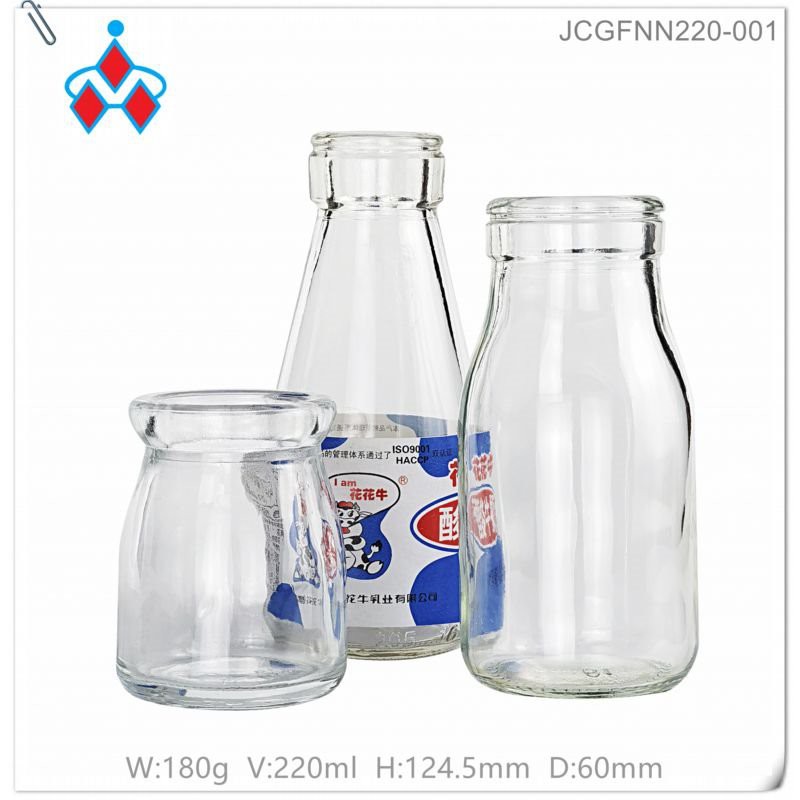
As a supplier of Milk Glass Bottle 220ml, we take pride in offering high - quality glass bottles that are suitable for a variety of uses, including freezing milk. Our bottles are made from premium glass that is carefully selected for its strength and durability. They have a smooth finish and a well - designed shape that makes them easy to hold and clean.
The 220ml size is perfect for individual servings or small families. Whether you're a home cook looking to store leftover milk or a dairy producer wanting to package your milk products, our glass bottles are an excellent choice.
Contact Us for Procurement
If you're interested in purchasing our Milk Glass Bottles for your personal or business needs, we'd love to hear from you. We offer competitive prices, reliable delivery, and excellent customer service. Our team is ready to assist you with any questions you may have about our products and the process of freezing milk in glass bottles. Reach out to us to start a procurement discussion and find the best solution for your requirements.

References
- "The Science of Freezing Foods", Food Science Journal, Vol. 12, Issue 3
- "Properties of Glass and Its Applications in Food Packaging", Packaging Technology Review, Vol. 20, Issue 5
- "Milk Preservation Techniques", Dairy Science and Technology Handbook, 3rd Edition