Can I use a milk glass bottle for milk substitutes?
Leave a message

Can I use a milk glass bottle for milk substitutes?
In recent years, there has been a significant shift in consumer preferences towards milk substitutes. Whether it's due to lactose intolerance, dietary choices, or environmental concerns, alternatives like almond milk, soy milk, and oat milk have gained widespread popularity. As a Milk Glass Bottle supplier, I often receive inquiries about the suitability of using our Milk Glass Bottle 220ml for these milk substitutes. In this blog post, I'll explore the factors to consider when using glass bottles for milk alternatives.
Compatibility of Glass with Milk Substitutes
Glass is an excellent material for storing milk substitutes for several reasons. Firstly, it is inert, which means it does not react with the contents inside. Unlike some plastics that may leach chemicals into the liquid over time, glass provides a safe and stable environment for milk substitutes. This is particularly important as many milk alternatives contain natural compounds and additives that could potentially interact with other materials.
Secondly, glass is impermeable to oxygen and moisture. This property helps to preserve the freshness and flavor of the milk substitute. Oxygen can cause oxidation, which leads to a change in taste and quality. By using a glass bottle, you can minimize the exposure of the milk substitute to oxygen, thereby extending its shelf - life.
Another advantage of glass is its ability to withstand a wide range of temperatures. Whether you want to store your milk substitute in the refrigerator or heat it up, glass can handle the thermal stress without deforming or releasing harmful substances. This makes it a versatile option for different usage scenarios.
Hygiene and Cleanliness
Maintaining proper hygiene is crucial when using any container for food and beverages. Glass bottles are relatively easy to clean compared to some other materials. They can be washed in a dishwasher or by hand with hot, soapy water. The smooth surface of glass does not harbor bacteria as easily as porous materials, and it can be thoroughly sanitized.
When using glass bottles for milk substitutes, it's important to clean them after each use. Residue from milk substitutes can attract bacteria and cause unpleasant odors if left uncleaned. Regular cleaning also helps to prevent the build - up of minerals and deposits that could affect the taste of the milk substitute.
Aesthetics and Branding
From an aesthetic perspective, glass bottles add a touch of elegance and sophistication. They give a more premium look compared to plastic or carton packaging. For businesses in the milk substitute industry, using glass bottles can enhance the brand image and appeal to consumers who value quality and sustainability.
Glass bottles can also be customized with labels, logos, and designs. This allows companies to create a unique and recognizable brand identity. Whether it's a small artisanal brand or a large - scale manufacturer, the ability to customize the packaging can set a product apart in a competitive market.
Environmental Considerations
In today's environmentally conscious world, the choice of packaging material is an important consideration. Glass is a highly recyclable material. It can be recycled indefinitely without losing its quality. By using glass bottles for milk substitutes, consumers and businesses can contribute to reducing waste and minimizing their environmental impact.
Compared to single - use plastic bottles, glass bottles have a lower carbon footprint over their lifecycle. The production of glass requires less energy and resources, especially when recycled glass is used. Additionally, glass bottles can be reused multiple times, further reducing the need for new packaging.
Potential Challenges
While glass bottles offer many advantages, there are also some potential challenges to consider. One of the main drawbacks is the weight of glass. Glass bottles are heavier than plastic or carton alternatives, which can increase shipping costs and carbon emissions associated with transportation.
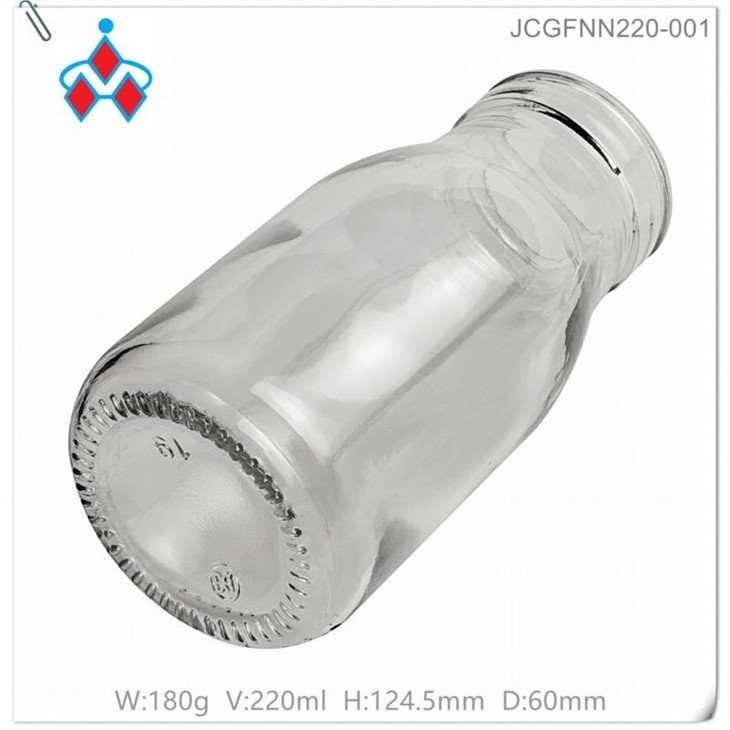
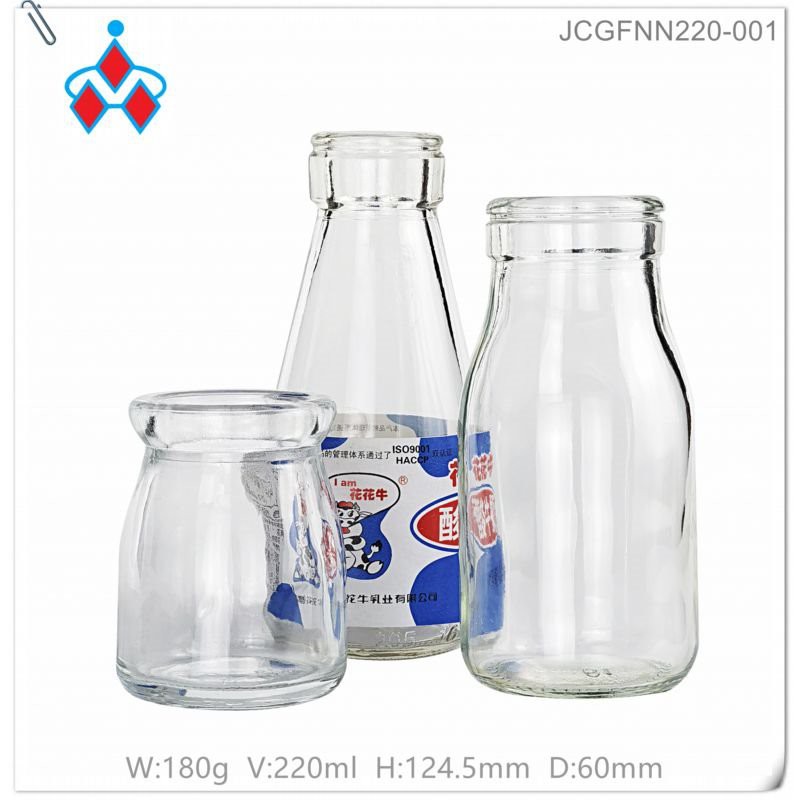
Another challenge is the risk of breakage. Glass is more fragile than plastic, and there is a higher chance of it breaking during handling, storage, or transportation. However, proper packaging and handling procedures can help to minimize this risk.
Conclusion
In conclusion, using a milk glass bottle for milk substitutes is a viable and beneficial option. Glass provides a safe, hygienic, and aesthetically pleasing way to store and present milk alternatives. It offers excellent compatibility with different types of milk substitutes, helps to preserve their quality, and is environmentally friendly.
If you are a business in the milk substitute industry or a consumer looking for a high - quality packaging solution, our Milk Glass Bottle 220ml could be the perfect choice. We offer a range of glass bottles that are suitable for various applications. If you are interested in learning more about our products or would like to discuss a potential procurement, please feel free to reach out to us. We are more than happy to assist you in finding the right packaging solution for your needs.
References
- "The Benefits of Glass Packaging" - Packaging Digest
- "Sustainable Packaging: Glass vs. Plastic" - Environmental Research Journal
- "Consumer Preferences for Milk Substitutes and Packaging" - Food Marketing Institute Report