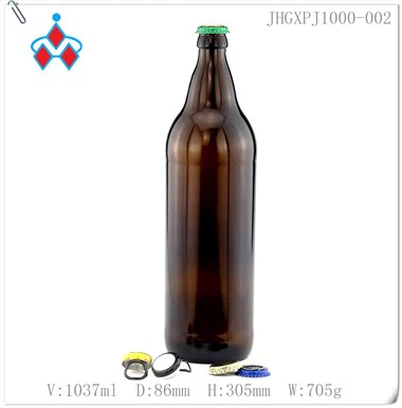
Do big sizes whisky bottles have a different maturation cask influence?
Leave a message

Hey there, fellow whisky enthusiasts! I'm stoked to be here chatting with you about one of the most fascinating topics in the whisky world: the influence of big sizes whisky bottles on maturation cask. As a supplier of big sizes whisky bottles, I've seen firsthand the impact that bottle size can have on the ageing process of this beloved spirit. So, let's dive right in!
First off, let's talk about what happens during the maturation process. Whisky is typically aged in oak casks, and during this time, a whole bunch of chemical reactions take place. The whisky interacts with the wood of the cask, absorbing flavors and compounds like tannins, vanillin, and lignin. These compounds give whisky its unique flavor profile, ranging from the sweet, vanilla - like notes to the spicy, oaky undertones.
Now, you might be wondering how the size of the bottle comes into play. Well, it all boils down to the ratio of whisky to air and the surface area of the whisky in contact with the wood. In a smaller bottle, like a Clear Glass Whiskey Bottle 750ml, the ratio of whisky to air is relatively high. This means that there's less air available for the whisky to interact with, and the surface area of the whisky touching the wood is also smaller.
On the other hand, big sizes whisky bottles, such as the 500ml Whisky Glass Bottle (I know the link says 5 - litre, but big sizes can vary!), have a different situation. There's more whisky in the bottle, and often, a larger surface area of the whisky is in contact with the wood. This can lead to a more intense interaction between the whisky and the cask.


One of the key factors affected by bottle size is the rate of oxidation. Oxidation is a natural process that occurs when the whisky comes into contact with air. In small bottles, the limited air space means that oxidation happens at a slower pace. This can result in a more delicate and subtle flavor development. The whisky may retain more of its original character, with the flavors evolving gradually over time.
In big sizes whisky bottles, however, the larger air space and greater surface area can speed up the oxidation process. This can cause the whisky to develop more complex flavors at a faster rate. You might notice more intense caramel, toffee, and nutty notes as the whisky ages in a big bottle. The increased oxidation can also mellow out some of the harsher alcohol notes, making the whisky smoother and more approachable.
Another aspect to consider is the evaporation rate. In the world of whisky maturation, a little bit of evaporation is actually a good thing. It's often referred to as the "angel's share." In small bottles, the evaporation rate is relatively low because there's less surface area exposed to the air. This means that the whisky retains more of its volume over time.
In big sizes whisky bottles, the evaporation rate can be higher. As the whisky evaporates, the remaining liquid becomes more concentrated. This concentration can enhance the flavors and aromas of the whisky, resulting in a more intense and rich drinking experience.
But it's not all about the positives. There are also some potential drawbacks to using big sizes whisky bottles for maturation. One of the main concerns is the risk of over - oxidation. If the bottle is not stored properly or if there's too much air in the bottle, the whisky can become overly oxidized. This can lead to a loss of some of the delicate flavors and a development of unpleasant, cardboard - like notes.
Also, big sizes whisky bottles can be more difficult to handle and store. They take up more space, and it can be a challenge to find the right environment to ensure proper maturation. Temperature and humidity play a crucial role in the ageing process, and it's harder to maintain consistent conditions for a large bottle compared to a smaller one.
As a supplier of big sizes whisky bottles, I've worked with distilleries and collectors who have experimented with different bottle sizes. Some have found that big bottles are great for creating limited - edition, high - end whiskies with bold and complex flavors. These whiskies can be a real treat for connoisseurs who are looking for something truly unique.
On the other hand, smaller bottles are often preferred for more traditional, slow - ageing whiskies. They allow for a more controlled and gentle maturation process, preserving the classic flavors that whisky lovers have come to expect.
So, if you're a distillery looking to create a new whisky expression or a collector interested in ageing your own whisky, the choice of bottle size is an important one. It can have a significant impact on the final flavor and quality of the whisky.
At our company, we offer a wide range of big sizes whisky bottles, including the Clear Glass Whisky Bottle. Our bottles are made from high - quality glass, which is essential for protecting the whisky during the maturation process. The glass is thick enough to prevent any unwanted chemical reactions and to keep the whisky in optimal condition.
If you're interested in learning more about how our big sizes whisky bottles can enhance your whisky maturation process or if you're looking to place an order, I'd love to hear from you. Whether you're a small - scale distiller or a large - scale producer, we can work with you to find the perfect bottle size for your needs. Just reach out to us, and we can start a conversation about how we can help you create the best possible whisky.
In conclusion, big sizes whisky bottles do have a different maturation cask influence compared to smaller bottles. They offer unique opportunities for flavor development, but they also come with their own set of challenges. By understanding these factors, you can make an informed decision about which bottle size is right for your whisky.
References
- "The World of Whisky" by various authors, a comprehensive guide on whisky production and ageing.
- Research papers from whisky industry conferences discussing the impact of container size on maturation.