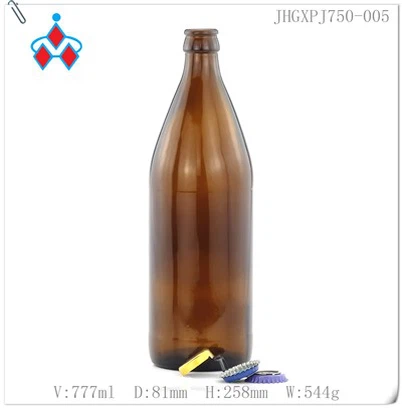
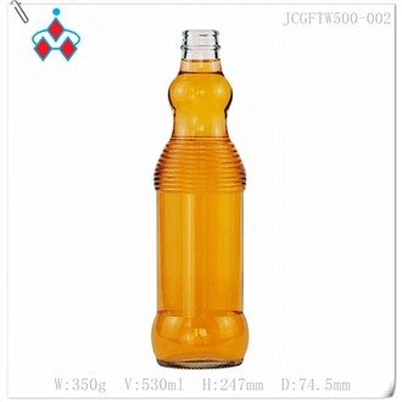
Do soft drink glass bottles have a unique smell?
Leave a message

Do soft drink glass bottles have a unique smell? This is a question that has piqued my curiosity, especially considering my role as a supplier of Soft Drink Glass Bottles. In this blog, I'll delve into the science behind the potential scents of these bottles, explore the factors that might contribute to a unique smell, and share some insights from my experience in the industry.
The Science of Smell and Glass Bottles
To understand whether soft drink glass bottles have a unique smell, we first need to grasp the basics of how we perceive odors. Our sense of smell is incredibly complex, with olfactory receptors in our noses detecting various odor molecules in the air. When these molecules bind to the receptors, they send signals to our brains, which interpret them as different scents.
Glass, in its pure form, is an inorganic material made primarily of silica (sand), soda ash, and limestone. These components are chemically stable and do not have a strong inherent odor. However, the manufacturing process of glass bottles can introduce some factors that might contribute to a detectable smell.
During the production of glass bottles, they are heated to extremely high temperatures in a furnace. This process can cause any organic matter or impurities on the glass surface to burn off. But in some cases, if the raw materials contain trace amounts of volatile organic compounds (VOCs) or if there are contaminants in the manufacturing environment, these substances could potentially leave a faint odor on the glass.
Factors Affecting the Smell of Soft Drink Glass Bottles
- Raw Materials: As mentioned earlier, the quality and purity of the raw materials used in glass production can play a significant role. If the sand, soda ash, or limestone contains small amounts of organic matter or other impurities, they could release odors during the melting and forming process. For example, sand that has been exposed to natural organic materials like plants or soil might carry some residual odors that could transfer to the glass.
- Manufacturing Process: The conditions in the glass factory can also impact the smell of the bottles. If the furnace is not properly maintained or if there are leaks in the ventilation system, it could lead to the accumulation of fumes and odors in the production area. Additionally, the lubricants and molds used in the bottle-forming process might leave behind a slight smell if they are not completely removed during the cleaning and finishing steps.
- Storage and Transportation: Once the glass bottles are manufactured, their storage and transportation conditions can affect their smell. If the bottles are stored in a damp or poorly ventilated environment, they could absorb moisture and develop a musty odor. Similarly, if they are transported in close proximity to strong-smelling substances, such as chemicals or food products with pungent aromas, they might pick up some of those odors.
The Perception of a Unique Smell
It's important to note that the perception of a unique smell in soft drink glass bottles can vary from person to person. Some individuals might be more sensitive to certain odors than others, and their past experiences and associations can also influence how they perceive the smell. For example, someone who has a fond memory of drinking a particular soft drink from a glass bottle might associate a faint smell with that positive experience, while another person might find the same smell unpleasant.
In some cases, the smell of a glass bottle might not be directly related to the glass itself but rather to the soft drink inside. Soft drinks often contain a variety of flavorings, preservatives, and other additives, which can have their own distinct aromas. When the drink is poured into a glass bottle, these scents can interact with the glass surface and create a combined smell that might be perceived as unique.
Our Products and Their Smell
At our company, we take great care to ensure that our soft drink glass bottles are of the highest quality and have minimal odor. We source our raw materials from trusted suppliers who adhere to strict quality control standards. Our manufacturing facilities are equipped with state-of-the-art ventilation systems to remove any fumes and odors during the production process.
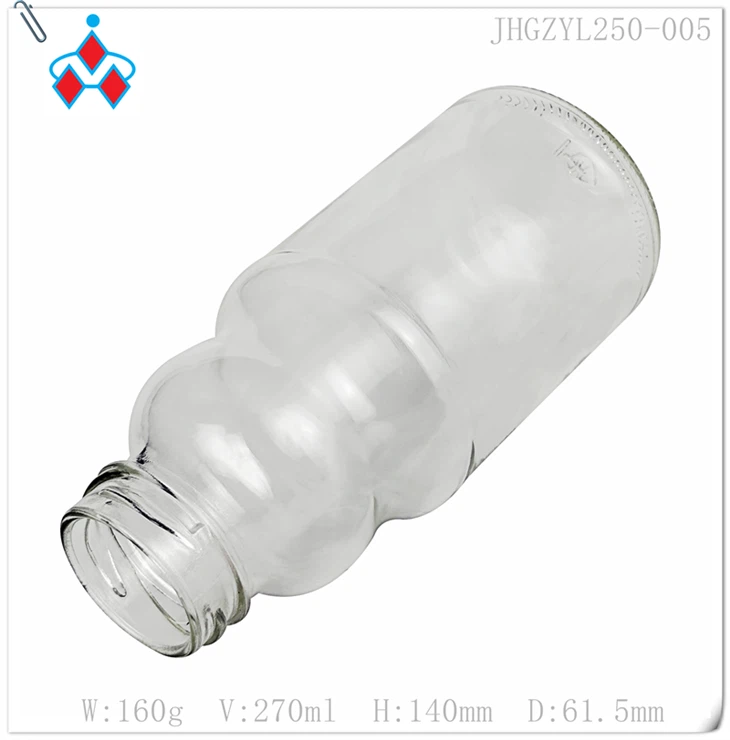
We offer a wide range of soft drink glass bottles, including the Drink Glass Bottle 250ml and the Flint Soft Drink Glass Bottle 275ml. These bottles are carefully inspected and cleaned before they are shipped to our customers to ensure that they are free from any unwanted smells.
Our Soft Drink Glass Bottle collection is designed to provide a perfect vessel for your favorite soft drinks. The glass material is not only aesthetically pleasing but also helps to preserve the flavor and carbonation of the drinks. And while we strive to eliminate any detectable smell from our bottles, we understand that the perception of smell is subjective, and we are always open to feedback from our customers.
Conclusion
In conclusion, while pure glass itself does not have a strong inherent smell, there are several factors in the manufacturing, storage, and transportation processes that could potentially give soft drink glass bottles a unique odor. However, with proper quality control and manufacturing practices, the smell can be minimized or eliminated.

As a supplier of soft drink glass bottles, we are committed to providing our customers with products that meet the highest standards of quality and purity. If you are in the market for high-quality soft drink glass bottles and want to discuss your specific requirements, we would be delighted to hear from you. Whether you are a soft drink manufacturer, a distributor, or a retailer, we can offer you a wide range of options to suit your needs. Contact us today to start a conversation about your glass bottle procurement.
References
- "The Science of Glass" by John C. Mauro and Edgar D. Zanotto.
- "Volatile Organic Compounds in the Indoor Environment" by Charles J. Weschler.
- Industry reports on glass manufacturing and quality control.