How do I read the information on a brown liquor bottle label?
Leave a message

As a supplier of brown liquor bottles, I've come to understand the importance of labels on these containers. They are not just pieces of paper stuck on the glass; they are a wealth of information that tells the story of the liquor inside and provides essential details for consumers. In this blog, I'll share how I read the information on a brown liquor bottle label, offering insights that can help both enthusiasts and those new to the world of brown liquors.
The Basics: Brand and Name
The most prominent part of the label is usually the brand name and the specific name of the liquor. This is the first thing you notice when you pick up a bottle. The brand represents the distillery or producer's reputation, and the specific name can give you clues about the type of liquor, its origin, or a unique blend. For example, a well - known brand like Johnnie Walker has various expressions such as Black Label and Blue Label, each with its own characteristics and quality levels.
Type of Liquor
The label will clearly state the type of brown liquor. This could be whiskey, rum, brandy, or other spirits. Different types of brown liquors have distinct production methods, flavor profiles, and aging requirements.
- Whiskey: There are several sub - types of whiskey, including Scotch, Irish, American (such as Bourbon and Rye), and Canadian. Scotch whiskey, for instance, is typically made from malted barley and aged in oak barrels in Scotland. The label might mention if it's a single malt (made from a single distillery) or a blended malt.
- Rum: Rum is made from sugarcane by - products like molasses or sugarcane juice. It can be light, dark, or spiced. A label on a rum bottle may indicate its origin, such as Jamaican rum, which is known for its bold and spicy flavors, or Cuban rum, famous for its smoothness.
- Brandy: Brandy is distilled from fermented fruit juice, most commonly grapes. Cognac is a well - known type of brandy produced in the Cognac region of France. The label will often mention the origin and may use terms like VS (Very Special), VSOP (Very Superior Old Pale), or XO (Extra Old) to indicate the age and quality of the brandy.
Alcohol Content
The alcohol by volume (ABV) is a crucial piece of information on the label. It tells you how much alcohol is in the bottle. This is usually expressed as a percentage. For example, a bottle of whiskey with an ABV of 40% means that 40% of the liquid in the bottle is pure alcohol. The ABV can affect the flavor, strength, and how the liquor is consumed. Higher ABV liquors are often sipped slowly, while lower ABV ones can be used in cocktails more easily.


Age Statement
An age statement on the label indicates the youngest spirit in the bottle. For example, if a whiskey label says "12 Years Old," it means that the youngest whiskey in the blend has been aged for at least 12 years. Aging is an important process in the production of brown liquors as it allows the spirit to develop complex flavors and smoothness as it interacts with the oak barrels. However, not all brown liquors have an age statement. Some modern blends or entry - level products may not disclose the age, especially if they are a combination of younger and older spirits.
Production Details
The label may also provide information about the production process. This can include details like the water source (important for whiskey, as water quality can affect the flavor), the type of barrels used for aging (e.g., ex - bourbon barrels, sherry casks), and any unique production methods. For example, some rums are made using a pot still method, which can result in a more complex and full - bodied flavor compared to column still rums.
Region of Origin
The region where the liquor is produced can have a significant impact on its flavor. For example, Long Amber Liquor Glass Bottle filled with Scotch whiskey from the Highlands region is often characterized by a more floral and fruity flavor, while those from the Islay region are known for their peaty and smoky notes. Similarly, American Bourbon is required by law to be made in the United States, and much of it comes from Kentucky, where the limestone - rich water and climate contribute to its unique taste.
Tasting Notes
Some labels include tasting notes, which are descriptions of the flavors and aromas you can expect from the liquor. These notes can be very helpful, especially for those new to brown liquors. They might mention flavors like vanilla, caramel, oak, tobacco, or fruit. For example, a brandy label might say it has notes of dried apricots, honey, and a hint of cinnamon.
Serving Suggestions
The label may offer suggestions on how to serve the liquor. Some brown liquors are best enjoyed neat (without any additives), while others can be paired with ice, water, or used in cocktails. For example, a light rum might be recommended for making tropical cocktails like a Daiquiri, while a high - end single malt whiskey is often sipped neat to fully appreciate its complex flavors.
Allergen Information
In recent years, labels have started to include allergen information. This is important for consumers with food allergies. Brown liquors are generally gluten - free, but some products may have been in contact with gluten - containing grains during the production process. The label will clearly state if there are any potential allergens, such as nuts or dairy products, which might have been used in the aging or flavoring process.
Our Brown Liquor Bottles
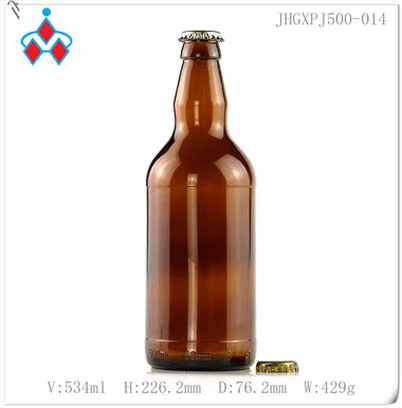
At our company, we offer a wide range of high - quality brown liquor bottles. Our Brown Liquor Glass Store 700ml is a popular choice among distilleries. It has a classic design that showcases the liquor inside while protecting it from light. The dark brown glass helps to prevent the liquor from being affected by UV rays, which can alter its flavor over time.
We also have the Glass Liquor bottle 720ml, which is a great option for those looking for a slightly larger volume. These bottles are made from high - quality glass, ensuring durability and a premium look.
Conclusion
Reading the information on a brown liquor bottle label is like unlocking a treasure chest of knowledge. It provides valuable insights into the liquor's origin, production, flavor, and how to enjoy it. As a brown liquor bottle supplier, we understand the importance of these labels in enhancing the overall consumer experience.
If you are a distillery or a business in the liquor industry and are interested in our brown liquor bottles, we invite you to contact us for a detailed discussion. We can offer customized solutions to meet your specific needs. Whether you need a particular size, shape, or design, we are here to help you present your brown liquor in the best possible way.
References
- "The World Atlas of Whisky" by Dave Broom
- "Rum: A Global History" by Charles Jesse
- "The Brandy Companion" by Richard Juhlin