How does the color of brandy in a bottle change over time?
Leave a message

Hey there, fellow brandy enthusiasts! I'm a supplier of Brandy Bottles, and today, I'm super stoked to take you on a journey into the fascinating world of how the color of brandy in a bottle changes over time.
First off, let's talk a bit about brandy itself. Brandy is a distilled spirit made from fermented fruit juice, most commonly grapes. After distillation, it's aged in wooden barrels, which plays a huge role in its color transformation. When brandy is first distilled, it's usually a clear, colorless liquid, much like vodka or gin. But as it spends time in those barrels, things start to get interesting.
The aging process in wooden barrels is where the magic happens. Wood, especially oak, contains a variety of compounds like tannins, lignins, and vanillin. As the brandy sits in the barrel, it slowly absorbs these compounds. Tannins, for example, are responsible for a lot of the color change. They give brandy that rich, amber - like hue. The longer the brandy ages, the more tannins it absorbs, and the darker its color becomes.
Now, the rate at which the color changes isn't set in stone. It depends on a bunch of factors. One of the biggest factors is the type of wood used in the barrel. Different woods have different concentrations of those color - giving compounds. Oak is the most common choice for aging brandy because it imparts a nice, smooth flavor along with a beautiful color. But if you use a different type of wood, say cherry or chestnut, the brandy might develop a slightly different color and flavor profile.
Another factor is the age of the barrel. New barrels have a higher concentration of tannins and other compounds. So, brandy aged in a new barrel will change color more rapidly compared to brandy in an older barrel. As the barrel gets older, it loses some of its capacity to transfer those compounds to the brandy.
The climate in which the brandy is aged also matters. In warmer climates, the brandy expands more during the day and contracts at night. This expansion and contraction cause the brandy to interact more with the wood, speeding up the color - changing process. In cooler climates, the process is slower because there's less movement of the liquid inside the barrel.
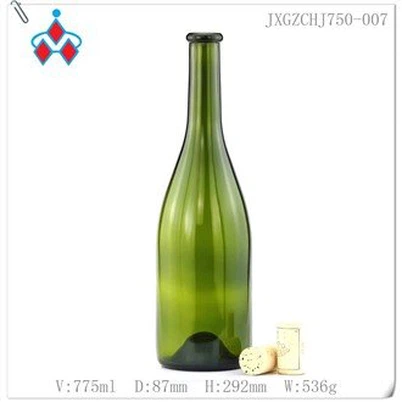
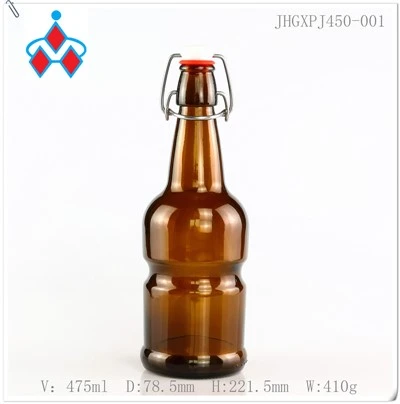
Once the brandy is bottled, the color change doesn't stop completely, but it slows down significantly. Bottled brandy is no longer in direct contact with the wood, but it can still be affected by other factors. Exposure to light is a big one. Sunlight or bright artificial light can break down some of the compounds in the brandy, causing it to change color. That's why brandy is often stored in dark - colored bottles. As a Brandy Bottle supplier, I can tell you that Glass Spirit Brandy Bottle is a popular choice because it offers some protection from light.
Oxygen can also have an impact on the color of bottled brandy. A small amount of oxygen can seep into the bottle over time. This can cause some oxidation reactions, which might lead to a slight darkening or change in the color's intensity. However, too much oxygen can be bad for the brandy, as it can make it taste stale.
Now, let's talk about how the color of brandy can tell you something about its quality and age. In general, a darker - colored brandy is often assumed to be older. But it's not always that simple. Some brandy producers might use artificial coloring to give their product a more appealing color. That's why it's important to look at other factors like the taste, aroma, and the reputation of the producer.
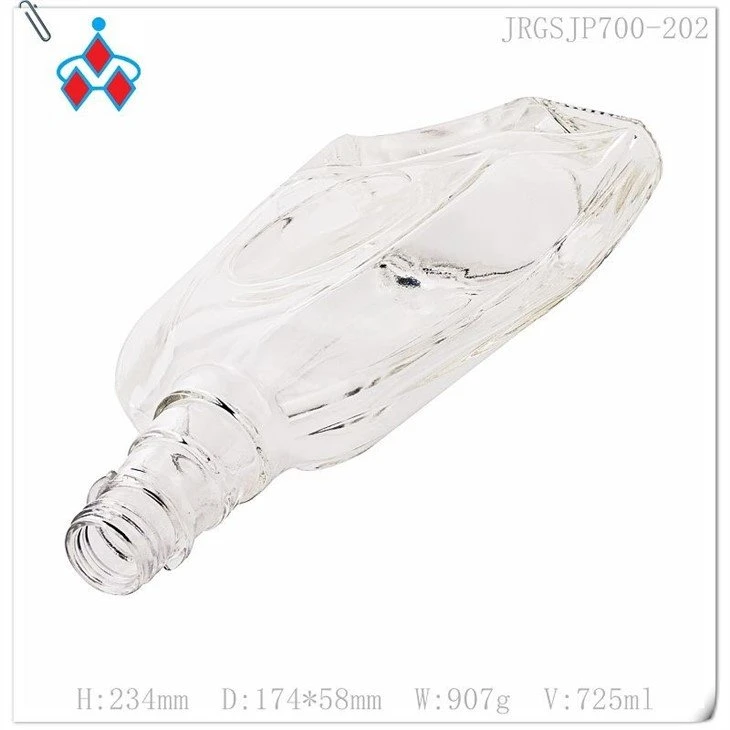
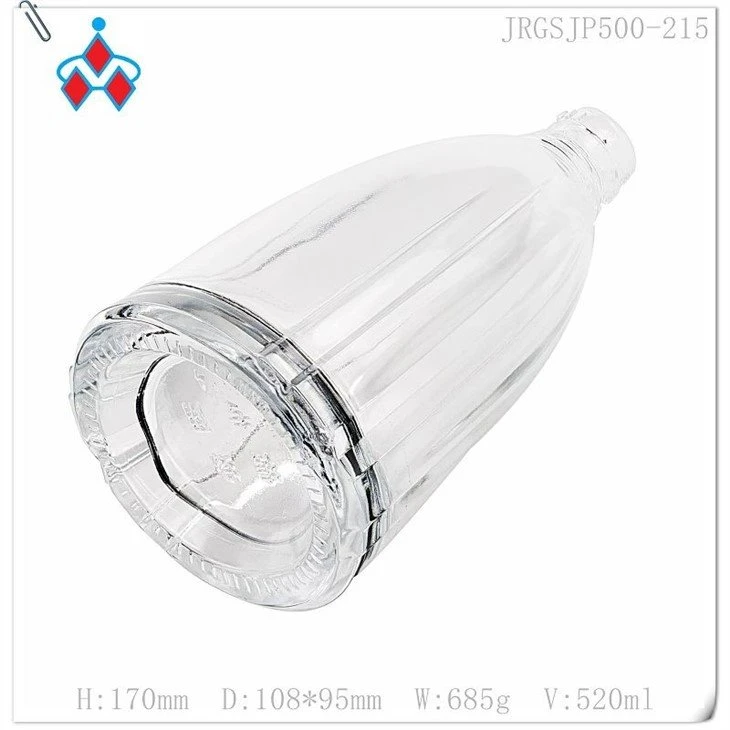
If you're a brandy lover and want to experience the full range of color and flavor changes, you might want to consider getting a Brandy Bottle and Glass Set. It's a great way to enjoy your brandy in style. And if you're looking for a gift for a brandy connoisseur, a Brandy Bottle and Glass Gift Set is the perfect choice.
As a Brandy Bottle supplier, I've seen a lot of different brandy bottles over the years. The color of the brandy inside those bottles is like a story. It tells you about the time it spent in the barrel, the type of wood it interacted with, and the conditions under which it aged. And that's what makes brandy so special.
If you're in the business of selling brandy or just a collector looking for the perfect bottle, I'd love to help you out. Whether you need a single bottle or a large order, I've got you covered. Just reach out, and we can start a conversation about your brandy bottle needs.
In conclusion, the color change of brandy in a bottle is a complex and fascinating process. It's influenced by the aging in barrels, the type of wood, the climate, and even the conditions after bottling. So, the next time you pour yourself a glass of brandy, take a moment to appreciate that beautiful color and all the factors that went into creating it.
References
- Jackson, Hugh. "The World of Brandy: Aging and Flavor." Spirits Magazine, 2018.
- Smith, Emily. "Factors Affecting Brandy Color." Beverage Science Journal, 2020.