How to prevent milk from spoiling in a milk glass bottle?
Leave a message

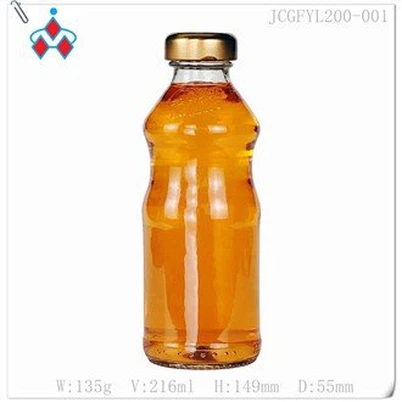
Preventing milk from spoiling in a milk glass bottle is a crucial concern for both consumers and suppliers. As a supplier of high - quality Milk Glass Bottles, I understand the importance of ensuring that milk remains fresh and safe for consumption. In this blog, I will share some scientific and practical tips on how to prevent milk from spoiling when stored in our Milk Glass Bottle 220ml.
Understanding the Causes of Milk Spoilage
Before diving into prevention methods, it's essential to understand what causes milk to spoil. Milk is a rich source of nutrients, including proteins, fats, and carbohydrates, which make it an ideal medium for the growth of microorganisms such as bacteria, yeasts, and molds. These microorganisms can enter the milk during the milking process, handling, or storage.
Temperature also plays a significant role in milk spoilage. Bacteria grow rapidly at temperatures between 40°F (4°C) and 140°F (60°C), which is known as the "danger zone." When milk is stored at temperatures within this range, the bacteria can multiply quickly, leading to spoilage.
Choosing the Right Milk Glass Bottle
As a supplier, we take pride in offering Milk Glass Bottles that are specifically designed to keep milk fresh. Our Milk Glass Bottle 220ml is made of high - quality glass, which is inert and does not react with milk. Glass is also impermeable to oxygen, light, and moisture, which helps to prevent the growth of microorganisms and the oxidation of milk components.

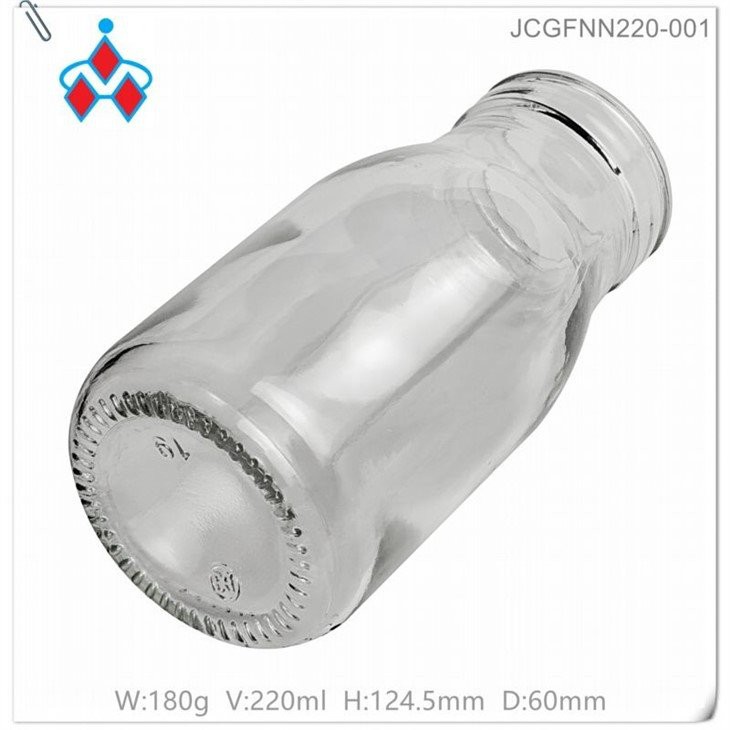
The design of our milk glass bottle also includes a tight - fitting cap. A proper seal is crucial to prevent air and contaminants from entering the bottle. When the cap is securely fastened, it creates a barrier that keeps the milk isolated from the external environment.
Proper Storage Temperature
Maintaining the right storage temperature is one of the most effective ways to prevent milk from spoiling. Milk should be stored in the refrigerator at a temperature of 35°F to 40°F (1.7°C to 4.4°C). At this temperature range, the growth of bacteria is significantly slowed down.
When transporting milk, it's important to keep it cold. Use an insulated cooler with ice packs to maintain the proper temperature. Avoid leaving milk in a hot car or in direct sunlight, as this can cause the temperature to rise quickly and lead to spoilage.
Hygiene and Cleaning
Proper hygiene is essential when dealing with milk and milk glass bottles. Before filling the bottle with milk, make sure it is thoroughly cleaned. Wash the bottle with hot, soapy water and rinse it well. You can also use a bottle brush to reach all the corners and remove any residues.
After each use, clean the bottle immediately. Milk residues can provide a breeding ground for bacteria, so it's important to remove them as soon as possible. If you're not planning to use the bottle right away, store it upside down to allow any remaining water to drain out and to prevent dust from settling inside.
Avoid Cross - Contamination
Cross - contamination can occur when milk comes into contact with other substances that may contain bacteria. For example, using the same utensil to scoop out milk and then to handle other food items can transfer bacteria to the milk.
To prevent cross - contamination, use clean utensils when handling milk. If you're pouring milk from a larger container into a milk glass bottle, make sure the spout of the large container is clean. Also, avoid touching the inside of the bottle or the cap with dirty hands.
Minimize Air Exposure
Air contains oxygen, which can cause the oxidation of milk components, leading to changes in flavor and quality. When filling the milk glass bottle, try to leave as little headspace as possible. The less air in the bottle, the less oxygen is available for oxidation.
If you've opened a bottle of milk and there's still some left, make sure to close the cap tightly. This will help to reduce the amount of air that can enter the bottle and slow down the spoilage process.
Check the Expiration Date
While proper storage can extend the shelf - life of milk, it's still important to check the expiration date. Milk has a limited shelf - life, and even if it's stored correctly, it will eventually spoil. Make sure to consume the milk before the expiration date to ensure its freshness and safety.
Utilize Pasteurization
Pasteurization is a heat treatment process that kills most of the harmful bacteria in milk. Most commercially available milk is pasteurized, which significantly reduces the risk of spoilage. When purchasing milk, choose pasteurized milk to ensure a longer shelf - life.
Monitoring and Inspection
Regularly monitor the milk in the glass bottle. Check for any signs of spoilage, such as an off - smell, curdling, or a change in color. If you notice any of these signs, do not consume the milk.
Inspect the milk glass bottle for any cracks or damage. A damaged bottle can compromise the seal and allow air and contaminants to enter, increasing the risk of spoilage. If you find a damaged bottle, replace it immediately.
Conclusion
Preventing milk from spoiling in a milk glass bottle requires a combination of proper storage, hygiene, and the use of high - quality bottles. As a supplier of Milk Glass Bottles, we are committed to providing products that help keep milk fresh and safe. Our Milk Glass Bottle 220ml is designed with the latest technology to ensure optimal milk preservation.
If you're in the market for high - quality milk glass bottles, we invite you to contact us for procurement and further discussions. We are dedicated to meeting your needs and providing you with the best solutions for milk storage.
References
- "Milk Science: The Basics." Dairy Management Inc.
- "Food Safety: Storage of Milk." United States Department of Agriculture (USDA)