How to remove odors from a milk glass bottle?
Leave a message

Odors in milk glass bottles can be a common and frustrating issue, especially for those in the beverage industry. As a supplier of Milk Glass Bottles, I understand the importance of providing customers with bottles that are not only aesthetically pleasing but also free from unwanted smells. In this blog post, I'll share some effective methods to remove odors from milk glass bottles, ensuring they are ready for reuse or new product filling.
Understanding the Causes of Odors in Milk Glass Bottles
Before diving into the solutions, it's crucial to understand what causes odors in milk glass bottles. Milk, being a rich source of proteins and fats, can leave behind residues when not properly cleaned. These residues can break down over time, producing unpleasant smells. Additionally, if the bottles are stored in humid or warm environments, bacteria and mold can grow, further contributing to the odor problem.
Method 1: Using Baking Soda
Baking soda is a natural deodorizer that can effectively neutralize odors. It works by reacting with acidic and basic compounds that cause smells, converting them into less odorous substances.

Steps:
- Prepare the Baking Soda Solution: Fill the milk glass bottle about one - third full with warm water. Add one to two tablespoons of baking soda to the water. The warm water helps to dissolve the baking soda more quickly.
- Shake the Bottle: Secure the bottle's cap tightly and shake it vigorously for a few minutes. Make sure the baking soda solution coats all the inner surfaces of the bottle.
- Let it Soak: After shaking, let the bottle soak in the baking soda solution for at least an hour. For stubborn odors, you can leave it overnight.
- Rinse Thoroughly: Empty the baking soda solution from the bottle and rinse it several times with clean water. You can use a bottle brush to scrub the inside of the bottle to ensure all residues are removed.
Method 2: Vinegar Solution
Vinegar is another powerful natural cleaner and deodorizer. It contains acetic acid, which can break down organic matter and kill bacteria that cause odors.
Steps:
- Mix the Vinegar Solution: Create a solution by mixing equal parts of white vinegar and water. For example, if you use half a cup of vinegar, add half a cup of water.
- Pour into the Bottle: Fill the milk glass bottle with the vinegar solution. Make sure it reaches all areas of the bottle.
- Soak and Shake: Let the bottle soak in the vinegar solution for 30 minutes to an hour. Periodically, shake the bottle to help dislodge any stubborn residues.
- Rinse Well: After soaking, empty the vinegar solution and rinse the bottle thoroughly with water. The vinegar smell will dissipate quickly once the bottle is dry.
Method 3: Lemon Juice
Lemons are not only a natural source of citric acid but also have a fresh, pleasant scent. Citric acid can help break down odorous compounds and leave a clean smell.
Steps:
- Extract Lemon Juice: Squeeze fresh lemon juice into a bowl. You can use one or two lemons depending on the size of the bottle.
- Add Water: Dilute the lemon juice with an equal amount of water. This helps to prevent the acid from being too strong and potentially damaging the glass.
- Pour into the Bottle: Fill the milk glass bottle with the lemon juice solution.
- Soak and Rinse: Let the bottle soak for about 30 minutes. Then, rinse it thoroughly with water. The lemon scent will leave the bottle smelling fresh.
Method 4: Dish Soap and Hot Water
Sometimes, a simple solution of dish soap and hot water can do the trick. Dish soap is designed to break down fats and oils, which are often the main culprits of odors in milk glass bottles.
Steps:
- Prepare the Soapy Water: Fill a sink or a large container with hot water. Add a few drops of mild dish soap and mix well.
- Submerge the Bottle: Place the milk glass bottle in the soapy water and let it soak for 15 - 20 minutes.
- Scrub the Bottle: Use a bottle brush to scrub the inside of the bottle, paying special attention to the areas where milk residues may be stuck.
- Rinse Completely: Rinse the bottle under running water until all the soap is removed.
Preventive Measures
In addition to these odor - removal methods, taking preventive measures can help keep your milk glass bottles odor - free.
- Clean Immediately: After using the bottle, clean it as soon as possible. The longer the milk residues sit in the bottle, the more likely they are to cause odors.
- Proper Storage: Store the bottles in a cool, dry place. Avoid storing them in areas with high humidity or direct sunlight, as these conditions can promote the growth of bacteria and mold.
- Regular Inspection: Periodically inspect your milk glass bottles for any signs of damage or residue buildup. If you notice any issues, clean the bottles immediately.
Why Choose Our Milk Glass Bottles
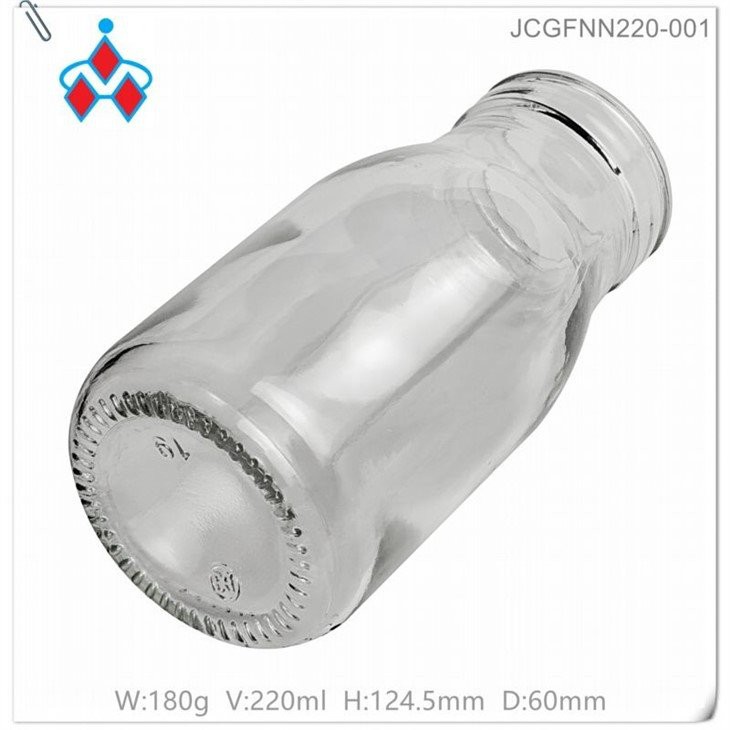
As a supplier of Milk Glass Bottles, we take pride in offering high - quality products. Our Milk Glass Bottle 220ml is designed with durability and functionality in mind. The glass is of premium quality, ensuring it can withstand repeated use and cleaning. Our bottles are also easy to clean, which helps in maintaining a fresh and odor - free environment.
If you're in the market for milk glass bottles, whether for personal use or commercial purposes, we'd love to hear from you. Our team is ready to assist you with your procurement needs. Contact us to discuss your requirements and explore how our milk glass bottles can meet your expectations.
References
- "Cleaning and Sanitizing Glass Containers." Food Safety and Inspection Service, U.S. Department of Agriculture.
- "Natural Cleaning Solutions." Environmental Working Group.
- "The Chemistry of Baking Soda and Vinegar." American Chemical Society.