How to store empty milk glass bottles?
Leave a message

Hey there! I'm a supplier of milk glass bottles, and today I wanna chat about something that might seem a bit niche but is actually quite important: how to store empty milk glass bottles. Whether you're a home user, a small business, or a big distributor, proper storage can make a huge difference. So, let's dive right in!
Why Proper Storage Matters
First off, you might be wondering why it's such a big deal to store empty milk glass bottles correctly. Well, glass is fragile, and if these bottles aren't stored properly, they can break easily. A single broken bottle can cause a mess and even lead to injuries.
Another reason is hygiene. Milk glass bottles, even when empty, can attract dust, dirt, and insects if left out in the open. And if you plan to reuse or resell these bottles, you definitely don't want them to be dirty or contaminated. Just imagine if a customer gets a dirty bottle from you – that's bad for business!
Choosing the Right Location
The first step in storing empty milk glass bottles is finding the right location. You need a place that's dry, cool, and away from direct sunlight. Sunlight can cause the glass to heat up, and over time, this can make the glass more brittle and prone to breaking.
A basement or a storage shed can be a great option, as long as it's well-ventilated. Avoid storing the bottles in an area where there's a lot of moisture, like near a leaky pipe or in a damp corner. Moisture can lead to mold growth on the bottles, which is not only unappealing but can also affect the quality of the glass.
If you're short on space, you can also consider using a storage rack or a cabinet. Make sure the rack or cabinet is sturdy enough to hold the weight of the bottles. You don't want it to collapse, causing a whole bunch of broken bottles.
Organizing the Bottles
Once you've found the right location, it's time to think about how to organize the bottles. One way is to stack them neatly. But be careful not to stack them too high, as this can make the stack unstable. You can stack the bottles in rows, making sure each bottle is placed on a flat surface.
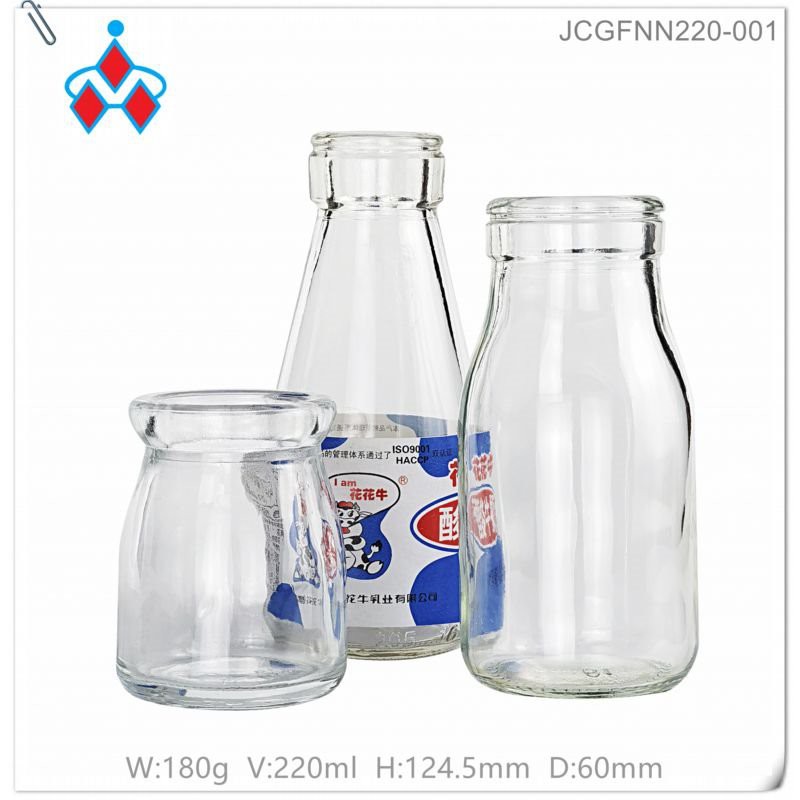
You can also group the bottles by size. For example, if you have Milk Glass Bottle 220ml and larger ones, keep them separate. This makes it easier to find the size you need when you want to use or sell them.
If you have a lot of bottles, you might want to label the storage area. You can use simple labels like "Small Milk Glass Bottles" or "220ml Milk Glass Bottles" to help you quickly identify what's inside.
Protecting the Bottles
To prevent the bottles from getting scratched or damaged, you can use some form of padding. Soft materials like foam or bubble wrap can work wonders. You can wrap each bottle individually in bubble wrap or place a layer of foam between the bottles when stacking them.
Another thing to consider is protecting the bottle caps. If the bottles come with caps, make sure they're stored properly as well. You can keep the caps in a separate container, sorted by size. This way, when you're ready to use the bottles, you'll have the right caps on hand.
Monitoring the Storage Area
Storing the bottles is not a one-time thing. You need to monitor the storage area regularly. Check for any signs of damage, like cracks or chips in the bottles. If you find a damaged bottle, remove it immediately to prevent it from causing more problems.
Also, keep an eye on the humidity and temperature in the storage area. If it gets too hot or too humid, it might be time to make some adjustments. You can use a dehumidifier to reduce moisture or a fan to improve ventilation.

Long-Term Storage
If you're planning to store the milk glass bottles for a long time, there are a few extra steps you can take. First, make sure the bottles are completely clean and dry before storing them. Any leftover milk or moisture can lead to mold growth over time.
You can also consider using a storage bag or a plastic container to keep the bottles protected. This can help keep out dust and insects. Just make sure the container has some ventilation to prevent moisture from building up inside.
Safety Precautions
When handling and storing milk glass bottles, safety should always be your top priority. Wear gloves when moving the bottles to protect your hands from cuts. And if you're using a ladder to reach a high storage area, make sure it's stable and secure.
If a bottle breaks, clean up the mess immediately. Use a broom and dustpan to sweep up the glass shards, and then use a damp cloth to pick up any small pieces that might be left behind. Dispose of the broken glass in a proper container to avoid injuries to others.
Conclusion
Storing empty milk glass bottles might seem like a simple task, but it actually requires some thought and planning. By choosing the right location, organizing the bottles, protecting them, and monitoring the storage area, you can ensure that your bottles stay in good condition for a long time.
As a Milk Glass Bottle supplier, I know how important it is to provide high-quality products to my customers. And proper storage is a key part of maintaining that quality. If you're in the market for Milk Glass Bottles, feel free to reach out for a chat. We can discuss your specific needs and how we can meet them. Looking forward to potentially working with you!
References
- "Glass Packaging: Properties and Innovations" - Various industry experts
- "Best Practices for Storing Fragile Items" - Professional storage guides and blogs