How to tell if a wine bottle is old?
Leave a message

Determining the age of a wine bottle can be a fascinating yet challenging task, especially in a market where authenticity and historical value are highly prized. As a wine bottle supplier, I've encountered this question numerous times from collectors, enthusiasts, and restaurateurs. In this blog post, I'll share some of the key methods that can help you tell if a wine bottle is old, blending scientific knowledge with practical insights gained from years in the business.
The Physical Characteristics of the Bottle
One of the first places to start when assessing the age of a wine bottle is its physical appearance. Different time periods have distinct styles and manufacturing techniques that are often reflected in the bottle's shape, size, glass thickness, and color.
-
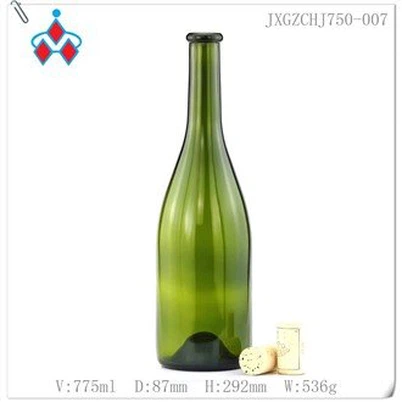
Shape and Size: Wine bottle shapes can vary significantly depending on the region and the type of wine they are designed to hold. For example, Burgundy Wine Glass Bottles are typically more rounded and have broader shoulders, which is a style that has been in use for centuries. In contrast, Clear Glass Bordeaux Wine Bottle are more angular with high, straight shoulders. These classic shapes have evolved over time, and knowing the general trends can give you a rough idea of when a bottle was produced. Additionally, the size of the bottle can also be a clue. Standard bottle sizes have changed throughout history, and some antique bottles may be larger or smaller than the modern 750ml standard.
-
Glass Thickness: Older wine bottles are often thicker and heavier than their modern counterparts. This is because the glass manufacturing process has become more efficient over time, allowing for thinner glass to be produced without sacrificing strength. However, it's important to note that not all old bottles are thick, and some modern bottles may be intentionally made to mimic the look and feel of older ones.
-
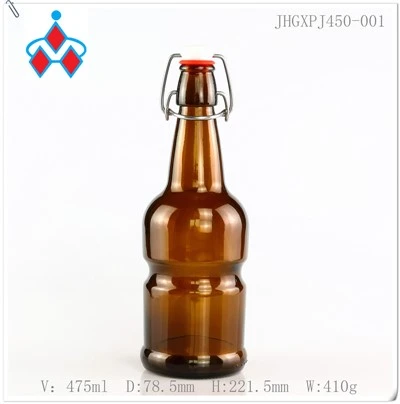
Glass Color: The color of the glass can also provide valuable information about the age of a wine bottle. Historically, wine bottles were made in a variety of colors, including green, brown, and clear. Green glass was commonly used to protect the wine from light, while brown glass was favored for its ability to block out harmful UV rays. Clear glass, on the other hand, was less common and was often used for more expensive or high-end wines. Over time, the use of different glass colors has changed, and certain colors may be associated with specific time periods or regions.
The Bottle's Manufacturing Marks
Another important factor to consider when determining the age of a wine bottle is the presence of manufacturing marks. These marks can include embossed letters, numbers, symbols, or logos that provide information about the bottle's origin, manufacturer, and production date.


-
Embossed Marks: Embossed marks are raised letters or symbols that are pressed into the glass during the manufacturing process. These marks can be found on the base, shoulder, or neck of the bottle and can include the name of the glass factory, the bottle's capacity, or the year of production. Some embossed marks may also indicate the type of wine or the region where it was produced.
-
Mold Seams: Mold seams are thin lines that run along the side of the bottle and indicate where the two halves of the mold were joined together during the manufacturing process. The presence and location of mold seams can provide clues about the age of the bottle. For example, older bottles may have more prominent or uneven mold seams, while modern bottles are often made with more precise manufacturing techniques that result in less visible seams.
-
Pontil Marks: Pontil marks are small scars or indentations that are left on the base of the bottle when the glassblower removed the pontil rod, which was used to hold the bottle during the manufacturing process. Pontil marks were common on bottles produced before the mid-19th century, when machine-made bottles became more prevalent. The presence of a pontil mark can be a strong indication that a bottle is old, but it's important to note that some modern bottles may be intentionally made to mimic the look of pontil marks.
The Wine Label
The wine label is another valuable source of information when it comes to determining the age of a wine bottle. Labels can provide details about the wine's producer, vintage, region, and bottling date, as well as any historical or cultural references that may be associated with the wine.
-
Label Design: The design of the wine label can change over time, reflecting trends in graphic design, marketing, and consumer preferences. Older labels may have a more traditional or ornate design, with handwritten or engraved text, while modern labels may be more minimalist or contemporary in style. Additionally, the use of different colors, fonts, and imagery can also provide clues about the age of the label.
-
Vintage Information: The vintage year on the wine label indicates the year in which the grapes were harvested and the wine was produced. This information can be used to determine the approximate age of the wine, but it's important to note that the vintage year may not always correspond to the year the wine was bottled. Some wines may be aged in oak barrels or stainless steel tanks for several years before being bottled, which can affect the wine's age and flavor.
-
Bottling Date: In some cases, the wine label may also include the bottling date, which indicates the year and month in which the wine was bottled. This information can be particularly useful for determining the age of a wine, especially if the vintage year is not available or if the wine has been aged for an extended period of time.
The Wine Itself
Finally, the wine itself can provide valuable clues about the age of a wine bottle. The color, aroma, and flavor of the wine can change over time, reflecting the effects of aging, oxidation, and other factors.
-
Color: The color of the wine can change as it ages, becoming lighter or darker depending on the type of wine and the storage conditions. For example, red wines typically become lighter in color as they age, while white wines may become darker or more golden. The presence of sediment in the wine can also be an indication of age, as sediment is a natural byproduct of the aging process.
-
Aroma: The aroma of the wine can also change as it ages, developing complex and nuanced flavors that are characteristic of older wines. Older wines may have aromas of leather, tobacco, dried fruits, or spices, while younger wines may have more vibrant and fruity aromas. The intensity and complexity of the aroma can provide clues about the age of the wine, as well as its quality and potential for further aging.
-
Flavor: The flavor of the wine can also change as it ages, becoming more smooth, balanced, and complex. Older wines may have flavors of dried fruits, nuts, chocolate, or spices, while younger wines may have more fresh and fruity flavors. The acidity, tannins, and alcohol content of the wine can also affect its flavor and aging potential, so it's important to consider these factors when assessing the age of a wine.
Conclusion
Determining the age of a wine bottle requires a combination of scientific knowledge, practical experience, and attention to detail. By examining the physical characteristics of the bottle, the manufacturing marks, the wine label, and the wine itself, you can gain valuable insights into the age and authenticity of a wine bottle. As a wine bottle supplier, I'm always happy to share my expertise and help my customers make informed decisions about their wine purchases. If you're interested in purchasing wine bottles or have any questions about determining the age of a wine bottle, please don't hesitate to contact me for a procurement discussion. I look forward to hearing from you!
References
- "Wine Bottles: A Guide to Identification and Valuation" by John F. Pabst
- "The World Atlas of Wine" by Hugh Johnson and Jancis Robinson
- "Wine Tasting: A Professional Handbook" by Emile Peynaud