What are the differences between glass and plastic liquor bottles?
Leave a message

Hey there, fellow liquor enthusiasts and business folks! As a supplier of glass liquor bottles, I've seen my fair share of debates about the age - old question: What are the differences between glass and plastic liquor bottles? Let's dive right into it.
Material Properties
First off, let's talk about the material itself. Glass is an inorganic, non - metallic solid. It's made from heating a mixture of sand, soda ash, and limestone to extremely high temperatures. This gives glass some unique properties. It's inert, which means it doesn't react with the liquor inside. So, whether you're storing a fine whiskey or a zesty vodka, the taste and quality of the liquor remain intact.
On the other hand, plastic is a polymer. There are different types of plastics, like PET (polyethylene terephthalate), commonly used for liquor bottles. Plastics can be more flexible and lighter compared to glass. But they're not as inert as glass. Some plastics may leach chemicals into the liquor over time, especially if the liquor has a high alcohol content or is stored for a long period. This can potentially affect the flavor and safety of the drink.
Aesthetics and Branding
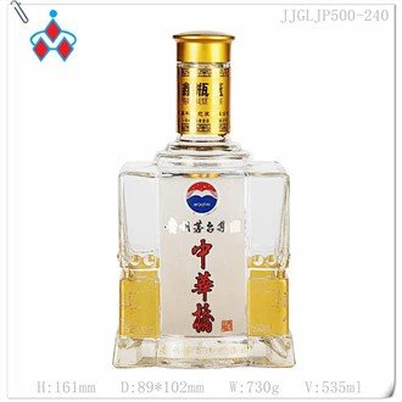
When it comes to looks, glass has a clear edge. Glass bottles can give a sense of luxury and sophistication. They can be molded into various shapes and sizes, and you can add all sorts of decorative elements like embossing, etching, or coloring. For example, check out our Unique Glass Shaped Bottle. These bottles are eye - catching and can really make a brand stand out on the shelf.
Plastic bottles, while they can also be molded, often lack that high - end look. They're more commonly associated with budget or mass - market products. Brands that want to convey a premium image usually opt for glass. Our Liquor and Spirit Glass Bottle collection offers a wide range of elegant designs that can enhance any brand's appeal.


Durability and Shelf Life
Glass bottles are quite durable. They can withstand a fair amount of handling and are resistant to scratches and abrasions. However, they are brittle. If dropped or mishandled, they can break easily. But when stored properly, glass bottles can preserve the liquor for a very long time. The airtight seal of a glass bottle helps keep oxygen out, which is crucial for preventing oxidation of the liquor.
Plastic bottles are more flexible and less likely to break when dropped. But they're not as good at keeping oxygen out. Over time, oxygen can seep through the plastic, causing the liquor to oxidize and lose its flavor. Also, plastics can degrade over time, especially when exposed to sunlight or heat, which can further affect the quality of the liquor inside.
Environmental Impact
The environmental aspect is a big deal these days. Glass is 100% recyclable and can be recycled indefinitely without losing its quality. Recycling glass also saves a significant amount of energy compared to producing new glass from raw materials. However, glass production requires a lot of energy, and transporting glass bottles is more energy - intensive due to their weight.
Plastic bottles are also recyclable, but the process is more complicated. Not all types of plastics can be recycled, and the recycling rate for plastic bottles is generally lower than that of glass. Additionally, plastic waste can take hundreds of years to break down in the environment, and it often ends up in landfills or oceans, causing pollution.
Cost
Cost is always a consideration in business. Glass bottles are generally more expensive than plastic bottles. The raw materials, production process, and transportation costs all contribute to the higher price. But for high - end or specialty liquors, the added cost of glass is often seen as an investment in the brand's image.
Plastic bottles are cheaper to produce and transport. This makes them a popular choice for low - cost or mass - market liquors. However, as consumers become more environmentally conscious, the long - term cost of using plastic bottles, including potential damage to the brand's reputation, may need to be factored in.
Regulatory Considerations
There are also regulatory differences between glass and plastic liquor bottles. In many regions, there are strict regulations regarding the use of plastics for food and beverage packaging. This is because of concerns about chemical leaching. Glass, being a well - established and inert material, generally has fewer regulatory hurdles.
Our Glass Bottle Offerings
As a glass liquor bottle supplier, we take pride in offering a wide range of high - quality products. Take our Liquor Glass Bottle 535ml. It's a standard size that's perfect for a variety of liquors. We've designed it with the needs of both producers and consumers in mind. The bottle is sturdy, has a great seal, and can be customized with your brand's logo and label.
Conclusion and Call to Action
So, there you have it - the main differences between glass and plastic liquor bottles. While plastic has its advantages in terms of cost and durability in some situations, glass offers a superior experience in terms of taste preservation, aesthetics, and environmental friendliness.
If you're in the market for high - quality glass liquor bottles, I'd love to have a chat with you. Whether you're a small craft distillery or a large - scale liquor producer, we can work together to find the perfect bottle for your product. Reach out to discuss your specific needs, and let's create a packaging solution that will make your liquor shine on the shelves.
References
- "Packaging Materials for Alcoholic Beverages" - Journal of Packaging Science and Technology
- "Environmental Impact of Glass and Plastic Packaging" - Environmental Science Research Institute
- "The Chemistry of Glass and Plastic in Beverage Packaging" - Chemical Engineering Journal