What are the environmental benefits of milk glass bottles?
Leave a message

As a supplier of milk glass bottles, I am often asked about the environmental benefits of these containers. In this blog post, I will delve into the various ways in which milk glass bottles contribute to a more sustainable future.
1. Reusability
One of the most significant environmental advantages of milk glass bottles is their reusability. Unlike single - use plastic or paper cartons, glass bottles can be used multiple times. After being emptied of their milk contents, they are collected, washed, and refilled.
A study by the Container Recycling Institute found that a glass bottle can be reused up to 50 times on average. This reduces the need for new materials to be extracted and processed for each new batch of milk packaging. For example, if a single glass bottle is reused 50 times, it means that 49 fewer bottles need to be manufactured. This not only conserves raw materials such as sand, soda ash, and limestone but also reduces the energy required for production.
The reusability of milk glass bottles also helps in reducing waste. In many communities, the return - and - refill system for glass bottles is well - established. Consumers return the empty bottles to the milkman or a collection point, and they are then sent back to the dairy for cleaning and refilling. This closed - loop system keeps the bottles in circulation and out of landfills.
2. Recyclability
Glass is 100% recyclable, and milk glass bottles are no exception. When a glass bottle reaches the end of its reusable life, it can be recycled into new glass products. Recycling glass requires less energy compared to producing new glass from raw materials. According to the Glass Packaging Institute, recycling glass saves up to 30% of the energy needed to make new glass.
The recycling process for milk glass bottles involves crushing the bottles into cullet, which is then melted and reformed into new bottles. This process can be repeated indefinitely without any loss of quality. In addition, using recycled glass in the manufacturing process reduces the amount of waste sent to landfills and decreases the demand for virgin materials.
3. Durability
Milk glass bottles are highly durable. They can withstand the rigors of transportation, handling, and multiple uses without breaking easily. This durability means that fewer bottles are lost due to breakage during the supply chain. In contrast, plastic containers are more prone to damage, which can lead to product spills and waste.
The long - lasting nature of glass bottles also contributes to their environmental friendliness. Since they do not need to be replaced as frequently as other packaging materials, there is less overall waste generated over time. For example, a well - maintained milk glass bottle can serve its purpose for years, while a plastic milk jug may need to be replaced after a single use.
4. Preservation of Product Quality
Glass is an inert material, which means it does not react with the milk inside the bottle. This property helps in preserving the quality and freshness of the milk. Unlike plastic, which can sometimes impart a taste or odor to the milk, glass keeps the milk tasting pure and fresh.
When the milk quality is well - preserved, there is less likelihood of spoilage and waste. Consumers are more likely to consume the entire contents of a glass - bottled milk, reducing food waste. In addition, the better preservation of milk in glass bottles can also lead to a longer shelf - life, which further reduces the amount of milk that is discarded due to expiration.
5. Aesthetic Appeal and Consumer Perception
Milk glass bottles have a certain aesthetic appeal that can influence consumer behavior in an environmentally positive way. Their classic and timeless look is often associated with quality and tradition. Consumers who choose milk in glass bottles are more likely to appreciate the environmental benefits and are more likely to participate in the return - and - refill system.
This positive consumer perception can lead to increased demand for milk in glass bottles, which in turn encourages more dairies to use this sustainable packaging option. As more dairies adopt glass bottles, the overall environmental impact of milk packaging can be significantly reduced.
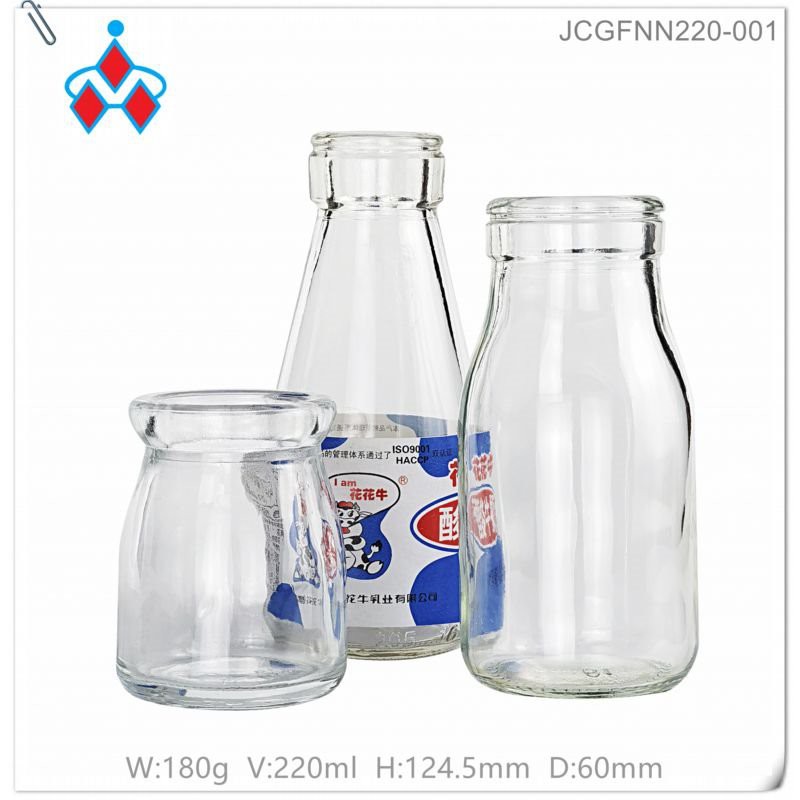

Our Milk Glass Bottle 220ml
At our company, we offer a high - quality Milk Glass Bottle 220ml. This bottle is designed to meet the needs of both dairies and consumers. It is made from high - grade glass that is both durable and recyclable. The 220ml size is perfect for individual servings, making it convenient for consumers.
Our milk glass bottles are produced using sustainable manufacturing processes. We ensure that the production of these bottles has a minimal environmental impact. We source our raw materials responsibly and use energy - efficient production methods.
Contact Us for Procurement
If you are a dairy, a distributor, or a retailer interested in purchasing our milk glass bottles, we invite you to contact us for a procurement discussion. We can provide you with detailed information about our products, pricing, and delivery options. By choosing our milk glass bottles, you are not only getting a high - quality packaging solution but also contributing to a more sustainable future.
References
- Container Recycling Institute. (Year). "Reusability of Glass Containers."
- Glass Packaging Institute. (Year). "Benefits of Glass Recycling."