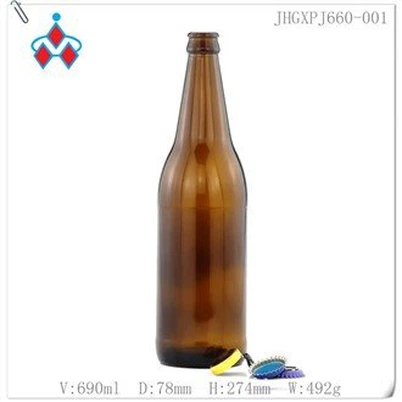
What are the safety features of glass beer bottles?
Leave a message

As a supplier of glass beer bottles, I am often asked about the safety features of these essential containers. Glass beer bottles have been a staple in the beverage industry for decades, and for good reason. They offer a unique combination of durability, transparency, and safety that makes them the preferred choice for many breweries and consumers alike. In this blog post, I will explore the various safety features of glass beer bottles and why they are so important.
1. Material Safety
One of the primary safety features of glass beer bottles is the material itself. Glass is a non - porous, inert material, which means it does not react with the beer inside. Unlike some plastic or metal containers, glass does not leach any harmful chemicals into the beverage. This ensures that the beer remains pure and safe for consumption.
The production process of glass involves melting silica sand, soda ash, and limestone at high temperatures. Once formed into bottles, the glass has a stable chemical structure. It is resistant to corrosion from the acidic components in beer, such as hops and carbonic acid. This long - term chemical stability means that the quality and safety of the beer are maintained throughout its shelf life.
2. Pressure Resistance
Beer is a carbonated beverage, which means it contains dissolved carbon dioxide gas. This creates pressure inside the bottle. Glass beer bottles are designed to withstand this pressure. They are typically made with thick walls that can handle the internal pressure without bursting.
Most glass beer bottles are tested to ensure they can withstand pressures well above the normal levels found in carbonated beer. For example, during the manufacturing process, bottles are subjected to pressure tests where they are filled with pressurized water or air to simulate the conditions inside a carbonated beer bottle. Only bottles that pass these strict pressure tests are released for use. This rigorous testing process reduces the risk of bottles exploding due to excessive pressure, protecting both consumers and those handling the bottles during production, transportation, and storage.
3. Impact Resistance
Glass beer bottles are also engineered to be impact - resistant. While glass is brittle compared to some other materials, modern manufacturing techniques have improved its ability to withstand shocks. The shape of the bottle plays a role in its impact resistance. Many beer bottles have a rounded body and a thick base, which helps distribute the force of an impact more evenly.
In addition, the quality of the glass itself is crucial. High - quality glass has fewer internal defects, such as air bubbles or inclusions, which can weaken the structure. These stronger bottles are less likely to break when dropped or bumped during normal handling. However, it's important to note that while they are impact - resistant, they still need to be handled with care to avoid breakage.
4. Seal Integrity
The seal of a glass beer bottle is another important safety feature. A proper seal prevents oxygen from entering the bottle and spoiling the beer. It also keeps the carbon dioxide inside, maintaining the beer's carbonation.
Most glass beer bottles use a crown cap for sealing. Crown caps are made of metal and have a gasket on the inside. When the cap is crimped onto the bottle, it creates an airtight seal. The design of the crown cap and the bottle neck is such that it provides a secure fit. This seal not only preserves the quality of the beer but also prevents any contaminants from entering the bottle, ensuring the safety of the product.
5. Transparency for Inspection
The transparency of glass beer bottles allows for easy inspection of the contents. Consumers and producers can visually check for any signs of spoilage, such as sediment, cloudiness, or the presence of foreign objects. This is an important safety feature as it enables early detection of potential issues.
For producers, the ability to visually inspect the beer in the bottle during the quality control process helps ensure that only high - quality and safe products reach the market. For consumers, it gives them the confidence to know what they are consuming. They can easily spot if there are any abnormalities in the beer before opening the bottle.
6. Recycling and Reusability
From an environmental and safety perspective, glass beer bottles are highly recyclable and reusable. Recycling glass reduces the demand for raw materials and energy in the manufacturing process. When glass is recycled, it is melted down and remade into new bottles. The recycled glass has the same safety and quality characteristics as newly - made glass.


Reusable glass beer bottles are also common. Many breweries offer refillable bottles. These bottles are thoroughly cleaned and sanitized before being refilled. This reduces waste and also ensures that the same high - quality, safe containers are used multiple times. The cleaning process typically involves hot water, detergents, and sometimes sanitizing agents, which kill any bacteria or contaminants that may have been present in the bottle.
7. Compatibility with Closures and Labels
Glass beer bottles are compatible with a variety of closures and labels, which also contribute to their safety. As mentioned earlier, crown caps provide a secure seal. In addition, there are other types of closures available, such as screw - on caps, which are also designed to maintain the integrity of the bottle and prevent leakage.
Labels on glass beer bottles are usually made of materials that are safe and do not interact with the beer. They are also applied in a way that does not compromise the bottle's structure. The labels can provide important information about the beer, including ingredients, alcohol content, and storage instructions, which helps consumers make informed and safe choices.
8. Regulatory Compliance
The production of glass beer bottles is subject to strict regulations. These regulations cover aspects such as material safety, pressure resistance, and labeling requirements. Manufacturers must adhere to these standards to ensure the safety of their products.
For example, in many countries, there are regulations regarding the maximum allowable levels of heavy metals in glass used for food and beverage containers. There are also standards for the size and shape of bottles to ensure they are easy to handle and transport safely. By complying with these regulations, glass beer bottle suppliers can guarantee that their products meet the highest safety standards.
Conclusion
In conclusion, glass beer bottles offer a wide range of safety features. Their material safety, pressure resistance, impact resistance, seal integrity, transparency, recyclability, compatibility with closures and labels, and regulatory compliance make them a reliable choice for packaging beer.
If you are in the market for high - quality glass beer bottles, we are here to serve you. Our glass beer bottles, such as the 650ml Amber Beer Glass Bottle, are manufactured with the latest technology and strict quality control to ensure all the safety features mentioned above. We also offer other glass products, like Glass Soy Sauce Dispenser and Glass Bottle Fizzy Drinks 250ml, for different beverage and food packaging needs.
If you have any questions or are interested in purchasing glass beer bottles, please feel free to contact us to start a procurement discussion. We look forward to working with you to meet your packaging requirements.
References
- American Society for Testing and Materials (ASTM). Standards for glass containers used in the beverage industry.
- Brewers Association. Guidelines for packaging and safety of beer products.
- International Organization for Standardization (ISO). Standards related to glass manufacturing and quality control for food and beverage containers.