What are the typical closures for brown liquor bottles?
Leave a message

Brown liquor, with its rich flavors and cultural significance, has long been a staple in the world of spirits. As a dedicated supplier of Brown Liquor Bottles, I've had the privilege of witnessing firsthand the importance of choosing the right closure for these precious vessels. In this blog post, I'll delve into the typical closures for brown liquor bottles, exploring their features, advantages, and how they contribute to the overall experience of enjoying brown liquor.
Cork Closures
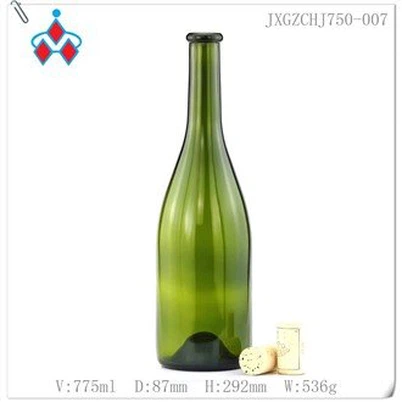
Cork has been the traditional choice for sealing wine and brown liquor bottles for centuries. It is a natural material harvested from the bark of cork oak trees, primarily in countries like Portugal and Spain. Cork closures offer several benefits that make them a popular option for premium brown liquors.
One of the key advantages of cork is its ability to allow a small amount of oxygen to interact with the liquor over time. This slow oxidation process can enhance the flavor and aroma of the brown liquor, allowing it to develop and mature in the bottle. It's particularly beneficial for aged spirits, such as single malt whiskies and vintage brandies, where the complexity of flavors can evolve and deepen with age.
Cork closures also provide an airtight seal, preventing the liquor from evaporating or spoiling. The natural elasticity of cork allows it to expand and contract, creating a tight fit in the bottle neck. This helps to preserve the integrity of the liquor and maintain its quality over an extended period.
However, cork closures are not without their challenges. One of the main issues is the risk of cork taint, a condition caused by a chemical compound called trichloroanisole (TCA). TCA can develop in cork during the manufacturing process or storage, and it can impart a musty, moldy odor to the liquor. While the incidence of cork taint has decreased in recent years due to improved manufacturing practices, it remains a concern for some producers and consumers.
Another drawback of cork is its susceptibility to drying out and shrinking over time. If a bottle is stored upright for an extended period, the cork may dry out and lose its seal, allowing air to enter the bottle and potentially spoil the liquor. To mitigate this risk, it's recommended to store cork-sealed bottles on their side, keeping the cork moist and preventing it from drying out.
Screw Caps
Screw caps, also known as Stelvin closures, have gained popularity in recent years as an alternative to cork closures. They are made of aluminum or plastic and feature a threaded design that allows them to be easily screwed onto the bottle neck. Screw caps offer several advantages over cork closures, particularly in terms of convenience and reliability.
One of the main benefits of screw caps is their airtight seal. Unlike cork, which can sometimes allow a small amount of air to enter the bottle, screw caps provide a complete barrier against oxygen, preventing oxidation and spoilage. This makes them an excellent choice for preserving the freshness and flavor of brown liquors, especially those that are meant to be consumed relatively quickly.


Screw caps are also more convenient to use than cork closures. They can be easily opened and closed without the need for a corkscrew, making them ideal for casual drinkers and on-the-go consumption. Additionally, screw caps eliminate the risk of cork taint, ensuring that the liquor inside the bottle remains free from any unwanted odors or flavors.
Another advantage of screw caps is their consistency. Unlike cork, which can vary in quality and performance, screw caps are manufactured to precise specifications, ensuring a uniform seal and reliable performance. This makes them a popular choice for mass-produced brown liquors, where consistency and quality control are essential.
However, screw caps are not without their drawbacks. Some consumers associate screw caps with lower-quality spirits, perceiving them as less elegant or traditional than cork closures. There's also a perception that screw caps may not allow the liquor to age and develop in the same way as cork closures. While this may be true to some extent, modern screw cap designs are engineered to provide a controlled level of oxygen ingress, allowing the liquor to age and develop over time.
Synthetic Closures
Synthetic closures are a relatively new option for sealing brown liquor bottles. They are made of various materials, such as plastic, rubber, or composite materials, and they are designed to mimic the performance of cork closures while offering some additional benefits.
One of the main advantages of synthetic closures is their consistency and reliability. Unlike cork, which can vary in quality and performance, synthetic closures are manufactured to precise specifications, ensuring a uniform seal and reliable performance. This makes them a popular choice for producers who require consistent quality control and want to minimize the risk of cork taint.
Synthetic closures also offer better resistance to drying out and shrinking than cork. They are less likely to lose their seal over time, even if the bottle is stored upright. This makes them a suitable option for long-term storage and transportation, where the integrity of the seal is crucial.
Another benefit of synthetic closures is their versatility. They can be designed to have different levels of oxygen permeability, allowing producers to control the aging process of the liquor. For example, some synthetic closures are designed to allow a small amount of oxygen to enter the bottle, similar to cork closures, while others provide a completely airtight seal.
However, synthetic closures are not as widely accepted as cork or screw caps in the premium spirits market. Some consumers associate them with lower-quality products and perceive them as less traditional or authentic. Additionally, the long-term effects of synthetic materials on the flavor and aroma of brown liquors are still being studied, and there's some debate about their suitability for aging spirits.
Crown Caps
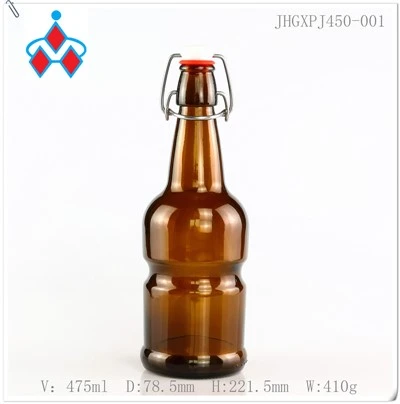
Crown caps are a common closure for beer bottles, but they are also used for some types of brown liquor, particularly in the lower-end market. They are made of metal, usually aluminum or steel, and feature a circular shape with a crimped edge that seals the bottle neck.
Crown caps offer several advantages over other types of closures. They are inexpensive to manufacture, making them a cost-effective option for producers. They also provide a tight seal, preventing the liquor from leaking or evaporating. Additionally, crown caps are easy to open and close, making them convenient for consumers.
However, crown caps are not suitable for all types of brown liquors. They are typically used for younger, less complex spirits, such as blended whiskies and flavored liqueurs, where the focus is on affordability and convenience rather than aging and flavor development. Crown caps do not allow any oxygen to enter the bottle, which means that the liquor inside will not age or develop in the same way as it would with a cork or synthetic closure.
Conclusion
Choosing the right closure for a brown liquor bottle is a crucial decision that can have a significant impact on the quality and longevity of the liquor. Each type of closure has its own advantages and disadvantages, and the choice depends on several factors, including the type of liquor, the intended market, and the storage and aging requirements.
As a supplier of Glass Alcohol Bottles 750ml, Glass Liquor bottle 720ml, and Long Amber Liquor Glass Bottle, I understand the importance of providing high-quality closures that meet the needs of our customers. Whether you're a distiller looking for the perfect closure for your premium spirits or a retailer seeking an affordable option for your budget-friendly products, we have a wide range of closures to choose from.
If you're interested in learning more about our brown liquor bottles and closures, or if you have any questions or inquiries, please don't hesitate to contact us. We're here to help you find the right solutions for your business and ensure the success of your brown liquor products.
References
- "The Science of Cork: How It Affects Wine and Spirits." Wine Enthusiast.
- "Screw Caps vs. Corks: The Great Debate." Decanter.
- "Synthetic Closures: The Future of Wine and Spirits Packaging?" Beverage Industry.
- "Crown Caps: A Cost-Effective Closure for Beverages." Packaging Digest.