What is the best way to store Rhine Wine Bottles in a cellar?
Leave a message

As a supplier of Rhine Wine Bottles, I've witnessed firsthand the importance of proper wine bottle storage. Rhine wines, known for their delicate flavors and aromas, require specific conditions to age gracefully and maintain their quality. In this blog, I'll share the best practices for storing Rhine Wine Bottles in a cellar, ensuring that every bottle reaches its full potential.
Understanding Rhine Wine Bottles
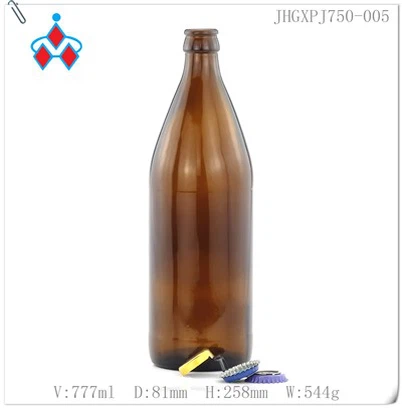
Before delving into storage methods, it's essential to understand the characteristics of Rhine Wine Bottles. These bottles are typically tall and slender, with a green or brown glass exterior. The shape and color of the glass help protect the wine from light, which can cause premature aging and spoilage. Rhine wines are often made from Riesling grapes, known for their high acidity and floral notes. These wines can age for many years, developing complex flavors and aromas over time.
Ideal Cellar Conditions
The first step in storing Rhine Wine Bottles is to create an ideal cellar environment. The following factors are crucial for maintaining the quality of the wine:
- Temperature: The ideal temperature for storing Rhine wines is between 45°F and 55°F (7°C and 13°C). Fluctuations in temperature can cause the wine to expand and contract, which can lead to leakage and spoilage. A consistent temperature is essential for slow, steady aging.
- Humidity: The humidity level in the cellar should be between 60% and 70%. Low humidity can cause the cork to dry out, allowing air to enter the bottle and spoil the wine. High humidity can lead to mold growth on the labels and corks.
- Light: Rhine wines are sensitive to light, especially ultraviolet (UV) light. Exposure to light can cause the wine to develop off-flavors and aromas. It's important to store the bottles in a dark cellar or use UV-blocking glass to protect the wine.
- Vibration: Vibrations can disrupt the sediment in the wine and cause it to age prematurely. It's best to store the bottles in a location away from sources of vibration, such as machinery or traffic.
Storage Orientation
The orientation of the wine bottles in the cellar is also important. Rhine Wine Bottles should be stored horizontally to keep the cork moist. A moist cork helps create a tight seal, preventing air from entering the bottle and spoiling the wine. If the cork dries out, it can shrink and allow air to enter, which can cause the wine to oxidize and lose its flavor.
Shelving and Racking
Choosing the right shelving and racking system is crucial for storing Rhine Wine Bottles. The shelves should be sturdy and able to support the weight of the bottles. Wooden shelves are a popular choice because they are natural and can help absorb moisture. Metal or plastic shelves can also be used, but they may not provide the same level of insulation as wooden shelves.


When arranging the bottles on the shelves, it's important to leave enough space between them to allow for air circulation. This helps prevent the growth of mold and mildew. It's also a good idea to label the shelves or use a wine cellar management system to keep track of the bottles.
Wine Cellar Maintenance
Regular maintenance is essential for keeping the wine cellar in optimal condition. Here are some tips for maintaining a wine cellar:
- Clean the cellar regularly: Remove any dust, dirt, or debris from the shelves and floors. This helps prevent the growth of mold and mildew.
- Check the temperature and humidity levels: Use a thermometer and hygrometer to monitor the temperature and humidity levels in the cellar. Make adjustments as needed to maintain the ideal conditions.
- Inspect the bottles regularly: Check the bottles for any signs of leakage, mold, or damage. If you notice any problems, take appropriate action to prevent further damage.
- Rotate the bottles: If you have a large collection of Rhine Wine Bottles, it's a good idea to rotate the bottles periodically. This helps ensure that all the bottles are exposed to the same conditions and age evenly.
Choosing the Right Wine Bottles
In addition to proper storage, choosing the right wine bottles is also important for preserving the quality of the wine. As a supplier of Rhine Wine Bottles, I offer a wide range of high-quality bottles that are designed to protect the wine and enhance its flavor.
- Burgundy Wine Glass Bottles: These bottles are known for their wide shoulders and short necks. They are ideal for storing full-bodied red wines and some white wines.
- Glass Bordeaux Wine Bottle: These bottles have straight sides and high shoulders. They are commonly used for storing red wines from the Bordeaux region of France.
- Rhine Wine Bottles: These bottles are tall and slender, with a green or brown glass exterior. They are specifically designed for storing Rhine wines and other light-bodied white wines.
Conclusion
Proper storage is essential for maintaining the quality of Rhine Wine Bottles. By creating an ideal cellar environment, storing the bottles horizontally, choosing the right shelving and racking system, and performing regular maintenance, you can ensure that your Rhine wines age gracefully and develop complex flavors and aromas over time.
If you're interested in purchasing high-quality Rhine Wine Bottles or have any questions about wine storage, please don't hesitate to contact me. I'm here to help you make the most of your wine collection.
References
- Jackson, H. (2019). The Wine Lover's Guide to Cellaring. Wine Enthusiast Books.
- Robinson, J. (2015). The Oxford Companion to Wine. Oxford University Press.
- Sileo, L. (2017). Wine Storage: A Practical Guide. University of California Press.