What is the difference between a large - format and a standard wine bottle?
Leave a message

What is the difference between a large - format and a standard wine bottle?
As a seasoned wine bottle supplier, I've witnessed firsthand the diverse preferences and requirements of our clients in the wine industry. One question that frequently arises is the difference between large - format and standard wine bottles. In this blog, I'll delve into the details of these two types of bottles, exploring their characteristics, advantages, and how they impact the wine - drinking experience.
Standard Wine Bottles
Standard wine bottles are what most people are familiar with. They typically hold 750 milliliters of wine, a volume that has become the industry norm over time. There are several common styles of standard wine bottles, each with its own unique design and history.
One of the most well - known styles is the Glass Bordeaux Style Bottle. Bordeaux bottles are characterized by their high, straight shoulders and a relatively tall and slender profile. These bottles are commonly used for wines from the Bordeaux region in France, as well as many other red wines around the world. The straight shoulders help to collect sediment as the wine ages, making it easier to decant.


Another popular style is the Glass Bordeaux Wine Bottle, which is similar to the Bordeaux style bottle but may have some variations in shape and size. It also adheres to the 750 - milliliter standard and is widely used for a variety of wines.
The Burgundy Wine Glass Bottles have a different shape. They have sloping shoulders, which give them a more rounded appearance compared to Bordeaux bottles. Burgundy bottles are commonly used for Pinot Noir and Chardonnay wines from the Burgundy region in France. The shape of these bottles is thought to enhance the wine's bouquet and flavor as it is poured.
The advantages of standard wine bottles are numerous. Firstly, they are convenient for consumers. A 750 - milliliter bottle is a manageable size for an individual or a small group to consume over a single occasion or a few days. It is also easy to store, whether in a home wine rack or a commercial cellar. Additionally, standard bottles are widely recognized and accepted in the market, making them a popular choice for wine producers and retailers.
Large - Format Wine Bottles
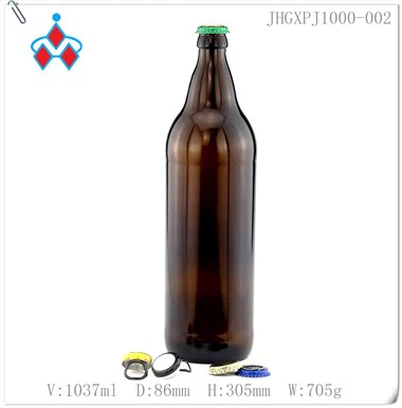
Large - format wine bottles, on the other hand, come in a variety of sizes larger than the standard 750 - milliliter bottle. Some common large - format sizes include the Magnum (1.5 liters, equivalent to two standard bottles), Jeroboam (3 liters, equivalent to four standard bottles), and even larger sizes such as the Methuselah (6 liters) and Nebuchadnezzar (15 liters).
One of the main differences between large - format and standard wine bottles is the aging process. Wines in large - format bottles tend to age more slowly and gracefully. This is because the ratio of wine to air in a large - format bottle is smaller compared to a standard bottle. The smaller surface area of the wine in contact with the oxygen inside the bottle means that the oxidation process is slower. As a result, the wine can develop more complex flavors and aromas over time.
Large - format bottles also have a certain aesthetic appeal. They are often used for special occasions, such as weddings, anniversaries, or high - end wine events. The size and grandeur of a large - format bottle make it a statement piece, adding a touch of luxury to any setting.
In terms of practicality, large - format bottles are ideal for sharing among a large group. Instead of having to open multiple standard bottles, one large - format bottle can provide enough wine for everyone. This can also be cost - effective for wine producers, as the cost of producing a large - format bottle is often lower per milliliter compared to standard bottles.
However, large - format bottles also have some drawbacks. They are more difficult to store due to their size. A home wine cellar may not have enough space to accommodate large - format bottles, and they require special racks or storage systems. Additionally, once opened, a large - format bottle needs to be consumed relatively quickly, as the wine will start to oxidize faster due to the larger volume exposed to air.
Impact on the Wine - Drinking Experience
The choice between a large - format and a standard wine bottle can significantly impact the wine - drinking experience. For casual wine drinkers or small gatherings, a standard wine bottle is usually the best option. It offers a convenient and affordable way to enjoy a glass of wine. The familiar size and shape also make it easy to handle and pour.
On the other hand, for wine enthusiasts and those looking for a more luxurious and memorable experience, a large - format bottle is a great choice. The slower aging process in large - format bottles can result in a more complex and refined wine. Sharing a large - format bottle with friends or family can also create a sense of occasion and celebration.
Marketing and Branding
From a wine producer's perspective, the choice of bottle size can also play an important role in marketing and branding. Standard wine bottles are the workhorses of the industry. They are suitable for mass - market wines and are easily recognizable by consumers. Producers can use standard bottles to build a consistent brand image and reach a wide audience.
Large - format bottles, on the other hand, can be used as a premium offering. They can help to differentiate a wine brand from its competitors and target high - end consumers. A large - format bottle with an elegant design can enhance the perceived value of the wine and make it more attractive to collectors.
Conclusion
In conclusion, the difference between large - format and standard wine bottles goes beyond just size. Standard wine bottles are convenient, widely recognized, and suitable for everyday consumption. They come in various styles, such as the Glass Bordeaux Style Bottle, Glass Bordeaux Wine Bottle, and Burgundy Wine Glass Bottles, each with its own unique characteristics.
Large - format bottles, on the other hand, offer a slower aging process, aesthetic appeal, and are perfect for special occasions and large groups. However, they also present challenges in terms of storage and faster oxidation once opened.
As a wine bottle supplier, we understand the importance of providing the right bottle for every need. Whether you're a wine producer looking to package your product or a retailer looking for the perfect bottle to display, we have a wide range of options to choose from. If you're interested in discussing your wine bottle requirements, please don't hesitate to reach out. We're here to help you find the best solution for your business.
References
- Robinson, J. (2006). The Oxford Companion to Wine. Oxford University Press.
- Jackson, H. (2008). Wine Science: Principles and Applications. Academic Press.