What is the history of vinegar bottles?
Leave a message

Vinegar, a staple in kitchens around the world, has a rich and storied history that dates back thousands of years. As a leading supplier of vinegar bottles, I've always been fascinated by the evolution of these vessels. In this blog, we'll take a journey through time to explore the history of vinegar bottles and how they've changed over the centuries.
Ancient Origins
The story of vinegar bottles begins in ancient civilizations. The earliest evidence of vinegar production dates back to around 5000 BC in ancient Babylonia. At that time, vinegar was made from fermented fruits, grains, or honey. The containers used to store this precious liquid were simple and rudimentary. People often used animal skins, clay pots, or gourds to hold vinegar.
Clay pots were particularly popular due to their availability and ease of production. They were hand - molded and fired in primitive kilns. These pots had a wide mouth, which made it easy to pour in the vinegar and dip out with a ladle. However, they were porous, which meant that some of the vinegar would slowly seep out, and air could enter, affecting the quality of the vinegar over time.
The Roman Influence
The Romans played a significant role in the development of vinegar storage. They were known for their advanced engineering and craftsmanship. The Romans used glass to make containers for vinegar. Glass had several advantages over clay. It was non - porous, which meant that it could keep the vinegar fresh for a longer time. It also provided a clear view of the contents, allowing people to easily assess the quality and quantity of the vinegar.
Roman glass vinegar bottles were often blown by hand, a labor - intensive process. They came in various shapes and sizes, from small, portable flasks to larger jugs. The glass was sometimes colored, with green and blue being common hues. These bottles were not only functional but also aesthetically pleasing, and they were often decorated with intricate patterns and designs.
Middle Ages and Renaissance
During the Middle Ages, the production of vinegar bottles was mainly a local craft. In Europe, monasteries played a crucial role in vinegar production and storage. They continued to use glass and also introduced wooden barrels for larger - scale storage. Wooden barrels were made from oak or other hardwoods and were sealed with pitch to prevent leakage.
In the Renaissance, there was a renewed interest in art and science, which also influenced the design of vinegar bottles. Glassmakers began to experiment with new shapes and techniques. Bottles became more standardized in size and shape, making them easier to stack and transport. The use of corks as stoppers became more widespread during this period. Corks provided a better seal than the previous methods, such as wooden plugs, and helped to preserve the vinegar's flavor.
Industrial Revolution
The Industrial Revolution in the 18th and 19th centuries brought about a significant change in the production of vinegar bottles. Mass - production techniques were introduced, which made bottles more affordable and accessible to the general public.
One of the most important inventions was the glass - blowing machine. This machine could produce glass bottles much faster than the traditional hand - blowing method. It allowed for the production of large quantities of uniform - sized bottles. As a result, the cost of glass vinegar bottles decreased, and they became a common sight in households.
In addition to glass, other materials such as metal and ceramic were also used to make vinegar bottles. Metal bottles, usually made of tin or steel, were durable and lightweight, making them suitable for travel. Ceramic bottles, on the other hand, offered a unique aesthetic appeal and were often hand - painted with beautiful designs.


Modern Era
In the modern era, the design and production of vinegar bottles have continued to evolve. With the advancement of technology, new materials and manufacturing processes have been developed.
Plastic has become a popular material for vinegar bottles. It is lightweight, shatter - resistant, and inexpensive to produce. Plastic bottles can be molded into a wide variety of shapes, from sleek and modern to traditional and rustic. They are also easy to label, which is important for branding and product information.
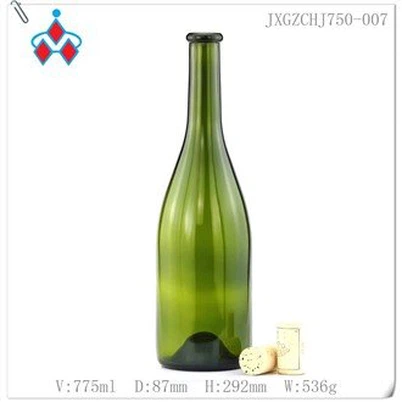
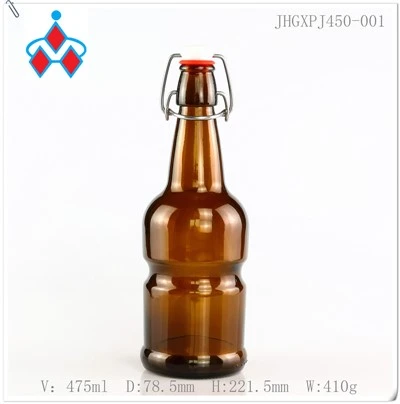
However, glass still remains a favorite among consumers and producers alike. Glass is considered a more premium material. It is recyclable, does not leach any chemicals into the vinegar, and provides an elegant look. As a supplier, we offer a range of glass vinegar bottles, including Glass Oil and Vinegar Bottles 375ml, Glass Vinegar Bottles, and Clear Glass Vinegar Bottles. These bottles are carefully crafted to meet the highest quality standards and come in different sizes and styles to suit various needs.
Environmental Considerations
In recent years, there has been a growing concern about the environmental impact of packaging. As a supplier, we are committed to sustainability. We encourage the use of recyclable materials, such as glass and plastic. Glass can be recycled indefinitely without losing its quality, while plastic recycling programs are also becoming more widespread.
We are also exploring new ways to reduce the amount of packaging used. For example, we are developing more compact bottle designs that use less material while still providing adequate protection for the vinegar.
The Future of Vinegar Bottles
The future of vinegar bottles is likely to be shaped by technological advancements and changing consumer preferences. We may see the development of smart bottles that can monitor the quality of the vinegar, such as its acidity level and freshness. These bottles could be connected to a smartphone app, allowing consumers to track the condition of their vinegar in real - time.
There may also be a greater emphasis on biodegradable and compostable materials. As consumers become more environmentally conscious, they will demand packaging that has a minimal impact on the planet.
Contact for Procurement
If you are interested in purchasing high - quality vinegar bottles for your business, we would be delighted to discuss your requirements. Our team of experts can provide you with detailed information about our products, including pricing, customization options, and delivery schedules. Whether you need a small batch for a specialty vinegar or a large - scale order for a commercial brand, we have the solutions to meet your needs.
References
- "A History of Glass" by Hugh Tait
- "Vinegar: From Ancient Times to the Present" by Jane Garmey
- "Packaging in the Industrial Revolution" by Peter Thompson