What materials are used to make glass food jars?
Leave a message

Hey there! As a supplier of glass food jars, I often get asked about what materials are used to make these handy containers. Well, let's dive right into it!
The Main Ingredient: Silica Sand
The primary material for making glass food jars is silica sand, which is basically quartz sand. It's super abundant in nature, and that's a good thing because we use a whole lot of it. Silica sand has a high melting point, around 1710°C. But when we're making glass, we don't want to deal with such high temperatures all the time, so we add some other stuff to help lower that melting point.
The reason silica sand is so great for glass jars is that it gives the glass its transparency, hardness, and chemical resistance. You want your glass food jars to be clear so you can easily see what's inside, right? And you also want them to be tough enough to withstand normal handling and not react with the food you put in them. That's where silica sand comes in.
Fluxing Agents: Soda Ash and Limestone
To lower the melting point of silica sand, we use fluxing agents. The most common ones are soda ash (sodium carbonate) and limestone (calcium carbonate).
Soda ash is like a magic ingredient. It can reduce the melting point of silica sand to around 800 - 1000°C, which is much more manageable in a glass - making furnace. But there's a catch. If we only used soda ash, the glass would be water - soluble. That's definitely not what we want for food jars! So, we add limestone.
Limestone acts as a stabilizer. It makes the glass insoluble in water and also improves its chemical durability. When these two are combined with silica sand and heated, they react to form a glassy substance that's perfect for making our food jars.
Cullet: Recycling at Its Best
Cullet is recycled glass, and it's an important part of the glass - making process for our food jars. We collect broken or waste glass and crush it into small pieces. Then we mix this cullet with the other raw materials.
Using cullet has several benefits. First of all, it reduces the amount of energy needed to melt the raw materials. Since the glass is already in a molten state once, it doesn't take as much heat to remelt it. Second, it's an environmentally friendly option. By recycling glass, we're reducing waste and conserving natural resources.
Other Additives
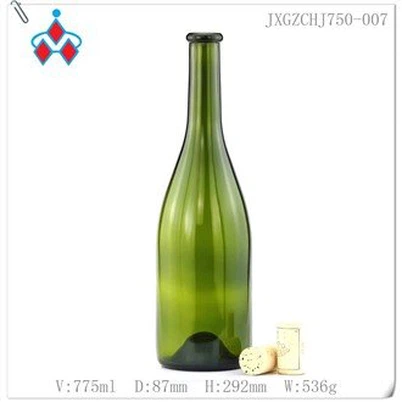
Sometimes, we add other materials to give the glass specific properties. For example, if we want to make a colored glass food jar, we can add metal oxides. Iron oxide can give the glass a greenish tint, while cobalt oxide can make it blue.
We might also add fining agents like antimony oxide or arsenic oxide. These agents help to remove small bubbles from the molten glass, making it smoother and more uniform. However, we have to be really careful with these agents because they can be toxic. So, we use them in very small amounts and make sure they're completely incorporated into the glass.
Manufacturing Process
Once we have all the materials mixed together, it's time to start the manufacturing process. We put the mixture into a furnace and heat it until it turns into a molten liquid. This molten glass is then shaped into jars using different methods.
One common method is blow - molding. In this process, a gob of molten glass is placed into a mold, and then air is blown into it to expand the glass and take the shape of the mold. Another method is press - molding, where the molten glass is pressed into a mold using a plunger.
After the jars are shaped, they go through an annealing process. This involves slowly cooling the jars to relieve internal stresses. If we don't do this, the jars could crack or break easily.
Different Types of Glass for Food Jars
There are different types of glass that we use for food jars, depending on the specific requirements.
Soda - lime glass is the most common type. It's made from the materials we've talked about above - silica sand, soda ash, and limestone. It's relatively inexpensive to produce and has good transparency and chemical resistance. Most of the everyday glass food jars you see in the supermarket are made of soda - lime glass.
Borosilicate glass is another option. It has a lower coefficient of thermal expansion, which means it can withstand rapid temperature changes better than soda - lime glass. This makes it ideal for food jars that might be used in the oven or freezer. However, it's more expensive to produce.
Our Product Range
As a supplier of glass food jars, we offer a wide range of products. We have different sizes and shapes of jars to meet the needs of different customers. Whether you're a small - scale food producer or a large - scale manufacturer, we've got you covered.
In addition to our glass food jars, we also have other glass products. Check out our Clear Glass Vinegar Bottles. These bottles are perfect for storing vinegar, with their clear glass allowing you to see the quality of the vinegar inside. We also have the Traditional Soy Sauce Dispenser, which is designed for easy pouring of soy sauce. And if you're in the perfume industry, our Glass Bottle For Perfume is a great choice, with its elegant design and high - quality glass.
Contact Us for Procurement
If you're interested in our glass food jars or any of our other products, we'd love to hear from you. Whether you have questions about the materials, the manufacturing process, or just want to get a quote, don't hesitate to reach out. We're here to help you find the perfect glass containers for your needs.


References
- "The Science of Glass" by John C. Mauro and Edgar D. Zanotto
- "Glass Manufacturing Handbook" by George W. McLellan