

Different Types of Glass Used in Packaging
Leave a message
This is a classification of container glass that is used by different pharmacopoeias to determine the more appropriate use of glass depending on the contents of the container. Glass is available in Type I, II, and III.
Type I - Borosilicate Glass
Type I borosilicate glass has the best thermal shock resistance and excellent chemical resistance. This type of glass is the least reactive glass container available. This type of glass has excellent durability, chemical resistance, and heat resistance. It is often used in chemical laboratory equipment.
Borosilicate glass contains high amounts of boron oxide, aluminum oxide, alkali, and/or alkaline earth oxides. Due to its chemical composition, borosilicate glass containers are highly resistant to hydrolysis.
Type I glass can be used to package acidic, neutral, and alkaline products. Water for injection, unbuffered products, chemicals, sensitive products, and products that require sterilization are often packaged in Type I borosilicate glass. Type I glass may chemically attack under certain conditions; therefore, containers must be carefully selected for applications with very low and very high pH values.
Type III - Soda-Lime Glass
Type III glass is a silica glass that contains alkali metal oxides. Soda-lime glass has moderate chemical resistance and moderate hydrolytic resistance (water). This glass is inexpensive and chemically stable, making it ideal for recycling, as the glass can be re-melted and reshaped many times.
This type of glass is known for its low price, good chemical stability, good electrical insulation, and ease of processing. Compared to other types of glass, soda-lime glass can be re-softened as many times as needed. As a result, it is widely used in many commercial glass products such as light bulbs, window panes, bottles, and artwork. However, please note that soda-lime glass is susceptible to sudden changes in temperature and may break.
Type III glass packaging is commonly used for beverages and food.
Type III glass is not suitable for autoclaved products, as the autoclave process accelerates the corrosion reaction of the glass. Dry heat sterilization processes do not usually cause problems for Type III containers.

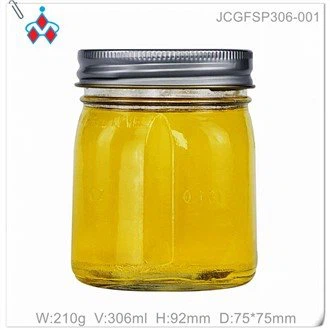
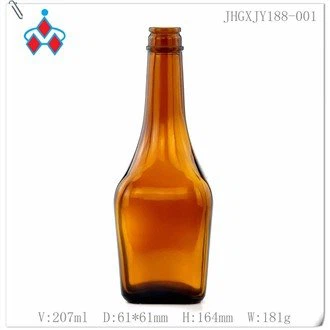
Type II - Treated Soda-Lime Glass
Type II glass is a surface-treated Type III glass that increases its hydrolytic stability from moderate to high. Such containers are suitable for acidic and neutral preparations.
The difference between Type II and Type I glass containers is that Type II glasses have a lower melting point. They provide good protection from weathering. However, Type II glasses are easier to shape but less resistant to high temperatures.
The difference between Type II and Type III glass containers is that the interior of Type II containers is treated with sulfur.


