Everything You Need to Know About Glass Bottle Recycling
Leave a message
Bottles are so common in commercial kitchens and bars across the world. But what happens to them once they are empty? Can we recycle these bottles?
Well, reusing glass bottles saves resources. Moreover, reusing any product is suitable for our environment. So, our short answer will be yes.
However, you must study everything about glass bottles. You can learn to recycle them. It will also give you a better understanding of the glass bottle business. Furthermore, this information will be helpful if you export bottles from China.
Can You Recycle Bottles?
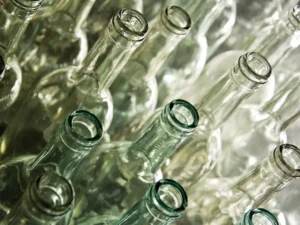
Glass is the best substance for reprocessing. It maintains its integrity even after several recycling cycles. It does not degrade like plastic. Besides, it doesn't release harmful substances.
Recycling can help lessen our dependency on sand, soda ash, and limestone. These are necessary components for creating new glass bottles. It reduces carbon emissions.
What Are the Benefits of Reprocessing Bottles?
There are many advantages to reusing bottles. Below, you can check some key benefits:
1) Reducing Consumption
The reprocessing aids in the preservation of scarce natural resources. Reusing the old glass instead of mining for new materials helps keep sand, soda ash, and limestone supplies.
2) Less Waste Sent to Landfills
Glass may take hundreds of years to break down when we dispose of them in landfills. We can save a lot of rubbish if we reprocess them instead of throwing out. Not only does this reduce waste pollution, but it also saves precious junkyard space.
3) Reducing Energy Use
Producing new glass from raw materials uses more energy than recycling existing ones. Remember, the melting and refining processes involve lower temperatures and less processing time. Thus, recycling can decrease greenhouse gas emissions and increase energy savings.
4) Protecting Natural Areas and Endangered Species
Glass dumping may impose negative consequences on natural ecosystems and animals. Raw material mining may cause ecosystem disruption.