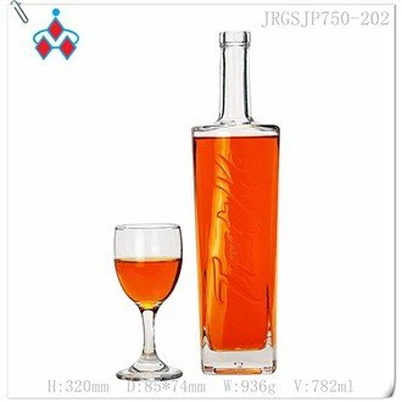
How Does Bottle Design Affect the Taste of Whiskey
Leave a message
The design of a whiskey bottle does more than just serve as a vessel for storing the spirit-it plays a significant role in influencing the overall drinking experience. From the shape and material of the bottle to the size and closure, every design element can impact how the whiskey tastes, feels, and even how it is perceived. This article explores the ways in which bottle design affects whiskey, focusing on both the scientific and psychological aspects that shape our perception of the drink.
The Impact of Bottle Shape on Whiskey Flavor
One of the most interesting ways bottle design influences whiskey is through its shape. Whiskey bottles are available in a wide variety of shapes, from traditional round and square designs to more modern and unique styles. While the shape might seem like an aesthetic choice, it can have subtle effects on the flavor and aroma of the whiskey.
The shape of the bottle can affect the airflow within the bottle, which in turn can influence the oxidation process. Oxidation occurs when the whiskey interacts with air, which happens each time the bottle is opened. In some cases, the shape of the bottle can allow for a greater amount of air contact with the liquid, potentially altering its flavor profile over time.
For instance, taller, narrow bottles tend to have less surface area exposed to air, which can slow down the oxidation process and preserve the whiskey's original taste. On the other hand, wider bottles may allow more air to interact with the liquid, leading to faster oxidation. This process may result in subtle flavor changes, such as a loss of freshness or a change in the complexity of flavors.
Additionally, the design of the bottle can impact how the whiskey is poured. Bottles with narrow necks often allow for more control over the pour, ensuring that the whiskey is served in measured amounts. This can affect how the liquid interacts with the glass, potentially influencing the drinker's perception of the whiskey's flavor.


The Role of Glass Type and Transparency
Another important factor in bottle design is the material used for the bottle itself. Whiskey bottles are typically made from glass, which is a non-reactive material that doesn't interact with the whiskey in a way that could alter its taste. However, not all glass is created equal, and the type of glass used can influence the overall drinking experience.
The transparency of the glass is one design element that can affect how the whiskey is perceived. Clear glass allows drinkers to see the color of the whiskey, which can evoke certain expectations about its flavor. Darker or colored glass, on the other hand, can obscure the color of the whiskey, creating a sense of mystery and intrigue. Some whiskey enthusiasts argue that the visual aspect of the whiskey plays a role in how the flavors are perceived, with lighter whiskeys often being associated with more delicate flavors and darker whiskeys with richer, more complex profiles.
The thickness of the glass is another factor to consider. Thicker glass bottles tend to feel heavier and more substantial in hand, which can create a sense of premium quality. This perception of quality can enhance the overall experience of drinking whiskey, potentially leading to a more favorable assessment of the whiskey's taste. While the thickness of the glass does not directly affect the whiskey's flavor, it can influence the way the whiskey is experienced by the consumer, both psychologically and physically.
How Corks and Closures Impact Whiskey Preservation
The closure of a whiskey bottle is a critical component of its design. The cork or cap used to seal the bottle can have a significant impact on how the whiskey is preserved and how it develops over time. A well-sealed bottle prevents air from entering, which helps to preserve the whiskey's freshness and flavor. On the other hand, a poor seal can lead to oxidation, which can cause the whiskey to lose its original character.
Natural corks are often associated with higher-end whiskeys and can provide an airtight seal. However, over time, corks can degrade and even break apart, potentially contaminating the whiskey with particles from the cork itself. To prevent this, many whiskey bottles now feature synthetic corks or screw caps, which provide a more reliable and longer-lasting seal.
Some whiskey producers also choose to use special closures, such as wax seals or metal caps, to add an element of sophistication to the bottle's design. These unique closures not only serve as a seal to protect the whiskey but also contribute to the overall aesthetic and appeal of the bottle. This can create a sense of exclusivity and luxury, which may influence how consumers perceive the taste of the whiskey.
Psychological Perception and the Influence of Packaging Design
Beyond the physical factors, packaging design plays a significant role in how we perceive the taste of whiskey. The psychological impact of packaging cannot be underestimated-consumers often associate premium packaging with higher quality, even if the liquid inside remains unchanged. The design of a whiskey bottle, including the label, colors, and overall presentation, can create an expectation that influences how the whiskey is tasted.
For example, a sleek, minimalist design may suggest a modern, refined product, while a vintage-style bottle could evoke feelings of tradition and craftsmanship. These design choices can shape a drinker's expectation of the whiskey's flavor before the first sip is even taken. In fact, studies have shown that people tend to rate the taste of a product higher when it is presented in attractive packaging, regardless of the actual quality of the liquid inside.
In the world of whiskey, this perception is especially important, as many consumers make purchasing decisions based on the bottle's appearance. As a result, whiskey bottle design has become an art form, with producers carefully considering every detail-from the choice of colors to the type of label- to influence both the sensory and emotional experience of the drinker.
About Jingguan Glass
Who is Jingguan Glass ? We are a glass factory who has been in glass bottle manufacturing for more than 20 years. Our glass bottles are ranged from beer glass bottles, soft drink glass bottles, juice glass bottles, whisky glass bottles, brandy glass bottles, vodka glass bottles, rum glass bottles,gin glass bottles, olive oil glass bottles, reagent glass bottles, wine glass bottles and food glass jars. Our factory is located in Hangzhou, Zhejiang, which is known as "paradise on earth", with advantages of plentiful talents, advanced science and technology, developed economy and good water way and land way transportation. We are a scaled glass factory, there are 9 furances, 5 production lines for amber glass bottles, 4 production lines for flint glass bottles and 15 production lines for green glass bottles. You are much welcome to visit to us, if you came, then you could see everything by your eyes. We are the main supplier Budweider, Calsberg and Snow in China. We have much confidence that our goods and factory will be satisfied by you.
Get in touch with us, and we will provide glass packaging solutions!