Why do most olive oils come in dark colored bottles?
Leave a message
Olive oil, known as "liquid gold," is a healthy cooking oil beloved by consumers for its unique taste and rich nutritional value. However, when purchasing olive oil, it's not uncommon to find it often packaged in dark bottles. What's the scientific reason behind this? This article explores the reasons behind dark olive oil bottles!
Factors Affecting Olive Oil Quality
Light: Olive oil is very sensitive to light. Prolonged exposure to sunlight accelerates oxidation, leading to a decline in quality. Therefore, using dark bottles (such as brown or dark green) can effectively block ultraviolet and visible light, reducing oxidation and preserving the freshness and nutritional value of the olive oil.
Temperature: Temperature is crucial to the preservation of olive oil. Higher temperatures accelerate oxidation and spoilage, while lower temperatures help maintain its quality. It's recommended to store olive oil in a cool, dry place, with an optimal temperature of 15-25°C.
Air: Olive oil reacts easily with oxygen, causing oxidation and spoilage. Therefore, ensure that the container is tightly sealed to prevent air from entering during storage.
What are the common colors of olive oil bottles?
Dark green bottles: Dark green bottles effectively block blue light, reducing the oxidative effects of light on olive oil. They also create a fresh, natural feel, making them suitable for olive oil brands that emphasize natural, healthy ingredients.
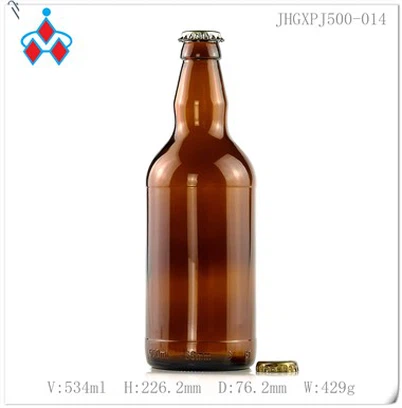
Brown bottles: Brown is the most common color for olive oil glass bottles. It blocks UV rays, reducing the oxidative effects of light on olive oil. Furthermore, brown glass bottles are chemically stable and less likely to react with olive oil, preserving its purity.
Clear glass bottles: While clear glass bottles allow consumers to clearly see the color and texture of the olive oil, olive oil is light-sensitive and prolonged exposure to sunlight can degrade its quality. Therefore, clear glass bottles are not typically used to package high-quality olive oil.
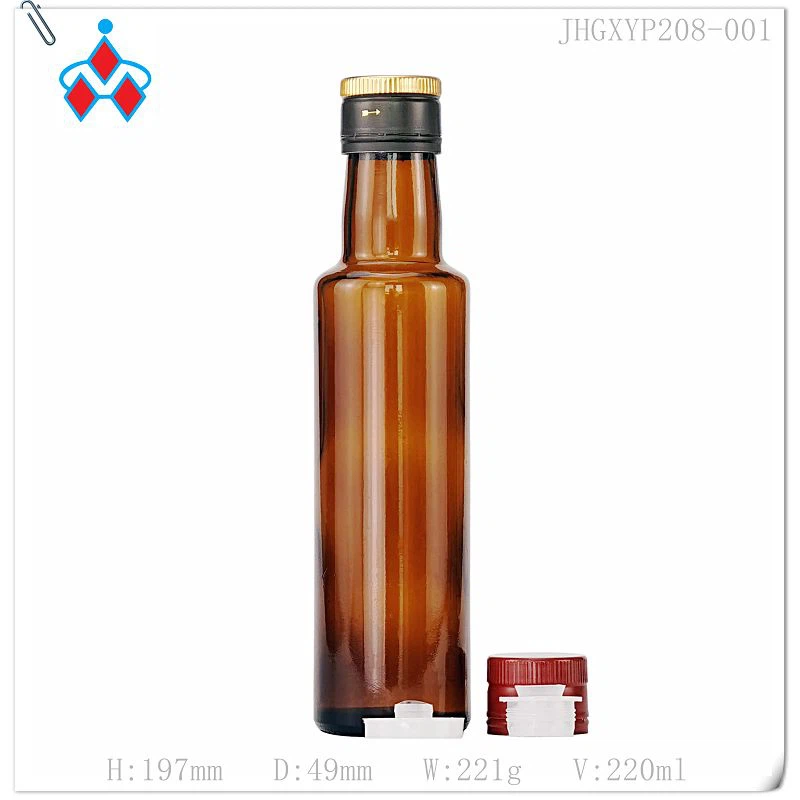
Empty Olive Oil Glass Bottle
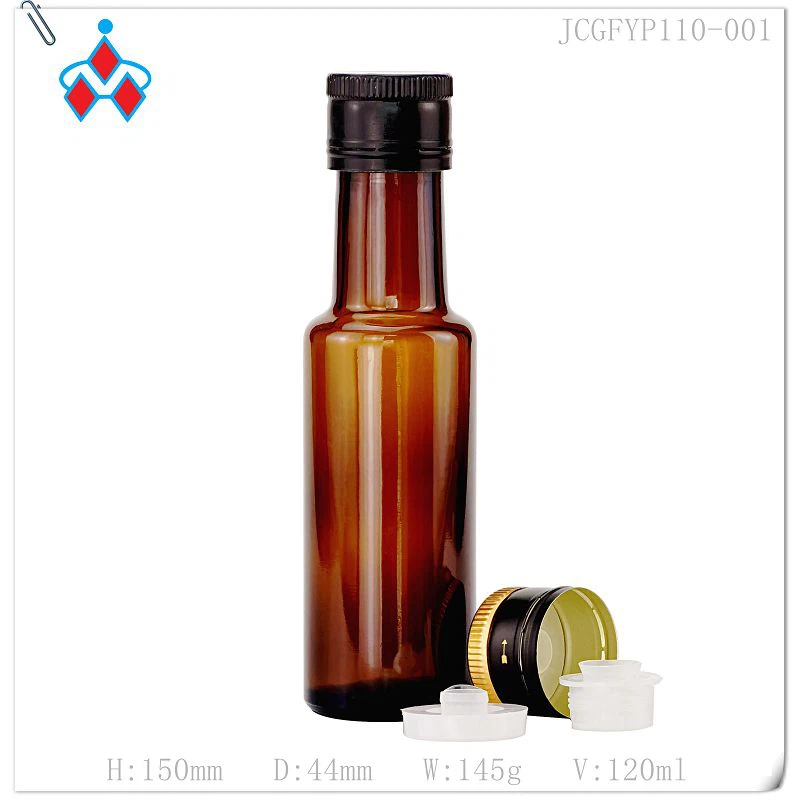
Olive Oil Glass Bottle
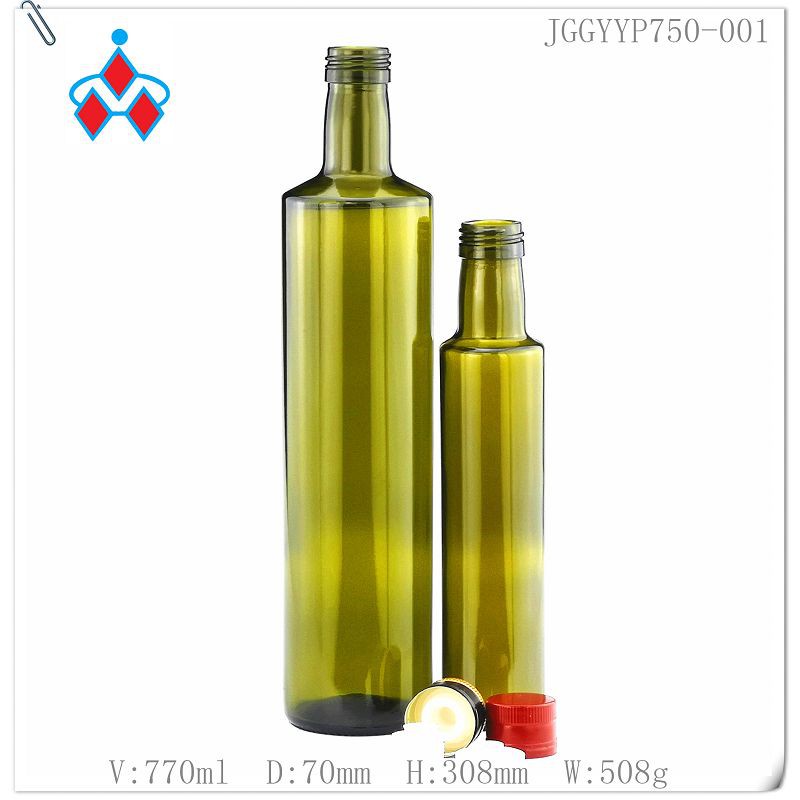
Green Olive Oil Glass Bottle 750ml
Why should olive oil be stored in dark bottles?
The main reason for storing olive oil in dark bottles is to prevent oxidation and spoilage due to light exposure. Here are the reasons:
Blocking UV rays: Dark bottles, especially those in green, brown, or amber colors, effectively block UV rays. UV rays accelerate the oxidation of fatty acids in olive oil, causing it to deteriorate and develop unpleasant odors and flavors.
Reducing light exposure: Light accelerates chemical reactions in olive oil, causing it to lose flavor, aroma, and nutritional value. Dark bottles reduce the effects of light on the oil, preserving its original quality.
Extending shelf life: By reducing oxidation, dark bottles help extend the shelf life of olive oil, keeping it fresh longer during storage.
Maintaining consistent quality: Olive oil stored away from light maintains its quality more consistently, preventing fluctuations due to changes in light exposure.
Protecting nutrients: Olive oil is rich in antioxidants and vitamin E, nutrients that are easily broken down by light. Dark bottles help protect these nutrients.
Market Tradition: In the traditional olive oil market, dark-colored bottles have become the standard packaging, and consumers generally believe dark-colored bottles offer higher quality.
Therefore, to ensure the quality of olive oil is not affected during transportation and storage, olive oil producers often choose dark-colored bottles. In addition to color, the seal of the bottle is also a crucial factor in protecting the quality of the olive oil.
Why should olive oil be stored in dark bottles?
The primary reason for storing olive oil in dark bottles is to prevent oxidation and deterioration due to light exposure. The reasons are as follows:
Blocking UV rays: Dark bottles, especially those in green, brown, or amber colors, effectively block UV rays. UV rays accelerate the oxidation of fatty acids in olive oil, causing it to deteriorate and produce unpleasant odors and flavors.
Reducing Light Exposure: Light accelerates chemical reactions in olive oil, reducing its flavor, aroma, and nutritional value. Dark bottles minimize the effects of light on olive oil, preserving its original quality.
Extending Shelf Life: Dark bottles slow the oxidation process, extending the shelf life of olive oil and keeping it fresher longer during storage.
Maintaining Quality Stability: Olive oil stored in a dark environment is more stable and less susceptible to quality fluctuations due to changes in lighting conditions.
Protecting Nutrients: Olive oil is rich in antioxidants and vitamin E, nutrients that are easily degraded by light. Dark bottles help protect these nutrients.
Market Tradition: In the traditional olive oil market, dark bottles have become a standard packaging method, and consumers generally believe that olive oil packaged in dark bottles is of higher quality.
Therefore, to ensure that the quality of olive oil is not affected during transportation and storage, olive oil producers often choose dark bottles.
Furthermore, in addition to color, the sealing of the bottle is also an important factor in maintaining the quality of olive oil.
Why shouldn't you use plastic bottles for olive oil?
Chemical permeation: Plastic bottles may release chemicals that can leach into the olive oil, affecting its flavor and safety. In particular, certain types of plastic, such as those containing bisphenol A (BPA), may react with the oil's base.
Oxygen permeation: Plastic bottles are generally more permeable than glass bottles, meaning oxygen can more easily penetrate the bottle, causing the olive oil to oxidize, reducing its quality and nutritional value.
Light permeation: While some plastic bottles are darker in color, plastic itself does not completely block out light like glass. Light accelerates the oxidation process in olive oil, so plastic bottles are not as effective at blocking light as glass.
Environmental issues: Plastic bottles have a greater environmental impact because they are less biodegradable and can cause long-term environmental pollution. In contrast, glass bottles are more environmentally friendly, reusable, and easily recyclable.
Quality perception: Consumers generally perceive olive oil in glass bottles as higher quality, while olive oil in plastic bottles may give the impression of lower quality or lower price.
Durability: Glass bottles are more durable and less prone to deformation than plastic bottles, which is an advantage for long-term olive oil storage.
Temperature Sensitivity: Plastic bottles are more sensitive to temperature fluctuations, potentially causing them to deform or release more chemicals. Glass bottles, on the other hand, are more stable.