Beverage Packaging Characteristics Of Four Materials in The Food And Beverage Industry
Leave a message
In recent years, the technical equipment level of my country's beverage packaging industry has made a qualitative leap. The two-piece pop-top can production line and filling line of the international advanced level have been introduced; disposable flexible packaging production lines such as PET bottles, Tetra Pak, and Combibloc have been introduced.
At present, the beverage packaging industry is showing a trend of diversification. Beverage packaging made of paper and plastic materials has taken the lead, breaking the monopoly of the single glass container market in the past. At the same time, beverage packaging made of metal materials has also been widely used.
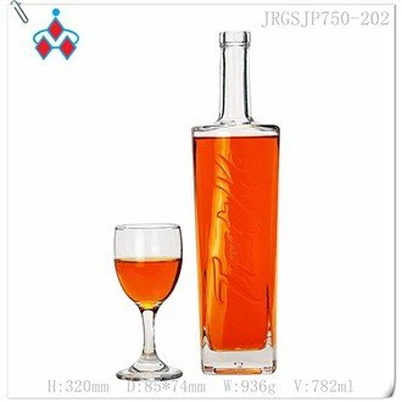
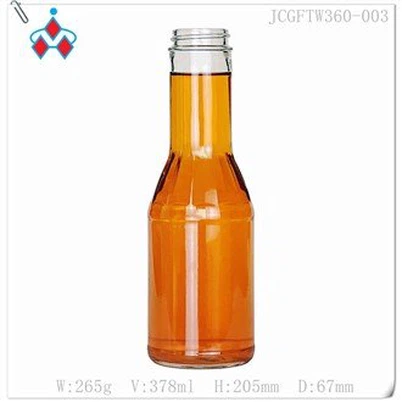
The advantages of glass packaging containers are: non-toxic, odorless, transparent, beautiful, good barrier, airtight, rich in raw materials, low price, and can be used multiple times. Moreover, it has the advantages of heat resistance, pressure resistance and cleaning resistance, and can be sterilized at high temperature and stored at low temperature. It is precisely because of its many advantages that it has become the preferred material for many beverages that require high packaging containers, such as fruit tea and sour jujube juice.
Disadvantages of glass packaging containers: mainly due to self-heavy, easily damaged, high transportation costs, poor secondary processing performance such as printing, resulting in a substantial reduction in usage.
Due to the irreplaceable advantages of plastic packaging materials in terms of performance, price and freight, more and more traditional packaging materials are replaced by plastic packaging; the disadvantages of plastic packaging: the permeability coefficient of oxygen and carbon monoxide is large, which will lead to A chemical reaction occurs between the packaged object and the packaged object, and the packaged object also deteriorates in taste due to oxidation, and the aging of plastic products also affects the appearance quality, which is not beautiful and practical, and pollutes the environment.
People's more common role of metal-packed beverages should be said that after the 1980s, the emergence of canned beverages has improved the level of people's lives. Metal cans for beverage packaging are divided into two-piece cans and three-piece cans. Three-piece cans are mostly used for packaging non-carbonated beverages, and two-piece cans are mostly used for carbonated beverages. The materials used for three-piece cans are mostly tin-plated steel sheets (tinplate), and the materials for two-piece cans are mostly aluminum alloy sheets.
In the current market, aluminum cans are more widely used than iron cans. However, metal packaging containers also have certain shortcomings, mainly manifested in poor chemical stability, poor alkali resistance, poor quality of the inner coating or poor craftsmanship, which will make the beverage taste bad. In addition, metal cans are relatively less economical.
Paper is the cheapest, not as insoluble as plastic, not as brittle as glass, and not as heavy as metal, making it easy to carry. In addition, paper products are easy to corrode, which can not only recycle recycled paper or be used as plant fertilizer, but also reduce air pollution and purify the environment.
Therefore, compared with the three major packages of plastic, metal and glass, paper packaging is identified as one of the most promising green packaging printing materials.
Beverage packaging will be green and environmentally friendly, profit compression, mergers and acquisitions, brand sales, high-quality and high-energy specialization.