Why Are Wine Bottles All Made Of Glass
Leave a message
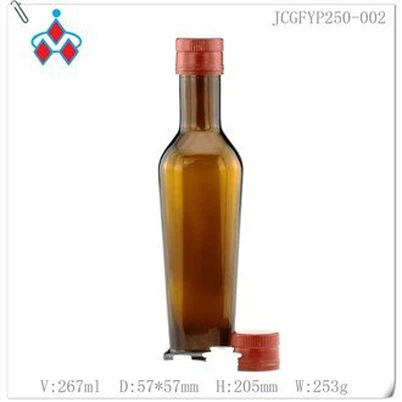
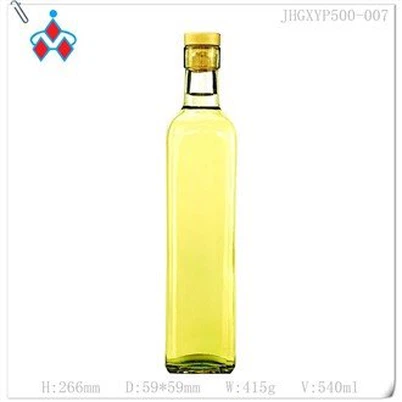
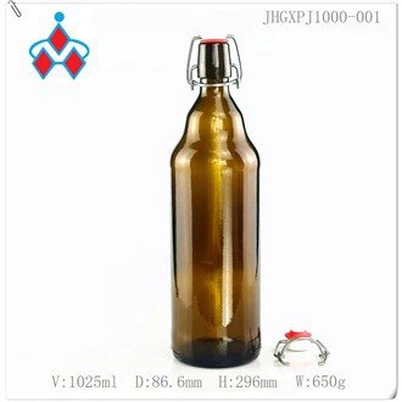
The #glass bottle# we see on the market, whether it is wine, pure grain wine, wine, fruit wine, or even health care wine, bee wine, no matter what kind of wine packaging and glass material bottles cannot be separated, Especially in the utensils of wine there is more display. Glass bottles are traditional domestic beverage packaging utensils, and glass is also a historical packaging raw material. With a variety of packaging raw materials flooding into the sales market, glassware still occupies a crucial influence in beverage packaging, which is closely related to its packaging characteristics that other packaging raw materials cannot replace.
wine bottle
According to statistics, 71% of the world's wine utensils are made of glass, and China has the largest proportion of beer bottles in the world, accounting for 55% of all glass beer bottles, exceeding 50 billion bottles every year. For wine, health care wine, bee wine and other wine packaging, except for glass bottles, I have not seen other packaging on the market. This can be seen in the key influence of glass bottles on wine packaging. So why are so many wine bottles made of glass?
glass wine bottle
First, it should be treated with acid before the bottle washer. For example, if a plastic bottle is used, it is very easy to react with alkali, while the glass bottle can just have no other reaction with alkali, thus enhancing the cleanliness and quality of the wine bottle;
Second, the wine itself contains a lot of gases such as O2, carbon dioxide, etc., especially the carbon dioxide will burst the bottle when it is violently hit, which is said to be the only deficiency of the glass material bottle;
Third, for the packaging utensils currently available on the market, only the glass bottle itself has less smooth friction, faster fluidity, and high efficiency in water flow production;
glass bottle
Fourth, when the wine bottle is equipped with sterilization equipment, the inner temperature of the sterilization poplar is far dependent on the maximum temperature of the plastic, which is easy to deform, and the wine bottle is heat-resistant, which can fill the shortage in these aspects;
Fifth, plastics (structure: anti-corrosion coatings, tackifiers, thickeners, dyes) bottles and cans can not see light, have strong anti-oxidation, poor airtightness, and are very easy to outgas and cause mildew. The glass bottle has strong airtightness, excellent organic chemical reliability, and can maintain the taste of wine products for a long time. This is an advantage that no other utensil can compare.