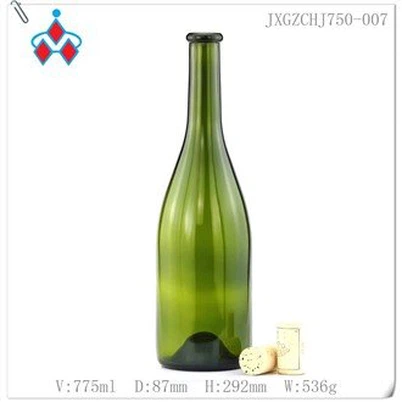
Can glass liquor bottles be used for aging liquor?
Leave a message

Aging liquor is a time - honored practice that can significantly enhance the flavor, aroma, and overall quality of the spirit. Traditionally, wooden barrels have been the go - to choice for aging, but there's a growing curiosity about whether glass liquor bottles can serve the same purpose. As a seasoned supplier of glass liquor bottles, I've fielded numerous inquiries on this very topic. In this blog, I'll delve into the science, pros, and cons of using glass liquor bottles for aging liquor.


The Science Behind Liquor Aging
Before we explore the viability of glass bottles for aging, it's essential to understand the aging process itself. When liquor is aged, a series of chemical reactions take place. Oxidation is one of the primary processes. Oxygen slowly seeps into the container, reacting with the alcohol and other compounds in the liquor. This reaction can mellow harsh flavors, develop complex aromas, and change the color of the liquor.
Another important process is the extraction of compounds from the container. In the case of wooden barrels, the liquor absorbs tannins, lignins, and other flavor - giving substances from the wood, which contribute to the unique taste profile of aged spirits. Evaporation also plays a role, concentrating the flavors in the remaining liquor.
Can Glass Liquor Bottles Facilitate Aging?
The Case for Glass Bottles
- Preservation of Flavor
Glass is an inert material, which means it doesn't react chemically with the liquor. This is beneficial in the sense that it won't introduce any unwanted flavors or contaminants. When you use a high - quality glass bottle like our Glass Gin Bottle 500ml, the original flavor of the liquor remains intact. It can act as a stable environment for the liquor, protecting it from external factors that could alter its taste negatively. - Visibility
One of the advantages of using glass bottles is the ability to observe the aging process. You can see the changes in color and clarity of the liquor over time. This can be a fascinating aspect for enthusiasts who like to monitor the development of their spirits. - Hygiene
Glass is easy to clean and sterilize, ensuring a hygienic environment for the liquor. This is crucial for preventing the growth of bacteria or fungi that could spoil the aging process.
The Limitations of Glass Bottles
- Lack of Oxygen Exchange
Unlike wooden barrels, glass bottles are airtight. While this can be an advantage in terms of preserving the liquor, it also means that there is limited oxygen exchange. Oxidation is a key part of the aging process, and without sufficient oxygen, the chemical reactions that lead to flavor development may be severely restricted. - No Flavor Extraction
As mentioned earlier, wooden barrels contribute to the flavor of the liquor by releasing compounds into it. Glass, being an inert material, doesn't have this property. So, the liquor aged in glass bottles won't develop the same wood - derived flavors as those aged in barrels. - Evaporation
In a well - sealed glass bottle, evaporation is minimal. While this can prevent the loss of liquor, it also means that the flavor - concentrating effect of evaporation won't occur.
Practical Considerations for Aging in Glass Bottles
If you still want to experiment with aging liquor in glass bottles, here are some practical tips:
- Choose the Right Bottle
Select a high - quality glass bottle with a good seal. Our Vintage Glass Whiskey Bottles 750ml are designed to provide an airtight closure, which is essential for maintaining the integrity of the liquor during the aging process. - Temperature and Light
Store the glass bottles in a cool, dark place. Temperature fluctuations and exposure to light can have a negative impact on the aging process. A constant temperature between 10 - 15°C (50 - 59°F) is ideal. - Timeframe
Aging in glass bottles may take longer to achieve noticeable results compared to wooden barrels. You may need to be patient and monitor the liquor regularly to determine when it has reached the desired flavor profile.
Comparing Glass Bottles to Other Aging Containers
Glass vs. Wooden Barrels
Wooden barrels are the traditional choice for aging liquor, and for good reason. They offer a dynamic aging environment with oxygen exchange, flavor extraction, and evaporation. However, they are also more expensive, require more maintenance, and can be inconsistent in terms of flavor contribution. Glass bottles, on the other hand, are more affordable, easier to clean, and provide a stable environment for the liquor.
Glass vs. Stainless Steel Containers
Stainless steel is another option for aging liquor. It is also inert like glass but is less transparent. Stainless steel containers can be used for large - scale aging, but they lack the aesthetic appeal of glass. Glass bottles are more suitable for small - scale aging and for consumers who want to showcase their collection.
Our Product Range for Aging Experiments
As a supplier of glass liquor bottles, we offer a diverse range of products suitable for aging experiments. Our Empty Bottle For Liquor 1000ml is a great choice for those who want to age larger quantities of liquor. These bottles are made from high - quality glass, ensuring durability and a reliable seal.
Conclusion
In conclusion, while glass liquor bottles have their limitations when it comes to traditional aging, they can still be used for a different kind of aging experience. They are excellent for preserving the original flavor of the liquor and can be a fun option for enthusiasts to experiment with. If you're interested in exploring the world of aging liquor in glass bottles, our range of products can provide you with the perfect containers.
If you're a distiller, a liquor enthusiast, or a business looking to source high - quality glass liquor bottles, we'd love to hear from you. Contact us to discuss your specific requirements and start your aging journey with our top - notch glass bottles.
References
- Jackson, H. (2015). The Science of Distilled Spirits. Oxford University Press.
- Smith, R. (2018). Aging and Maturation of Alcoholic Beverages. Wiley - Blackwell.
- Brown, T. (2020). The Art of Liquor Aging. HarperCollins.