Can I store sesame oil bottles in the refrigerator?
Leave a message

Hey there! As a sesame oil bottles supplier, I get tons of questions from customers, and one that pops up a lot is, "Can I store sesame oil bottles in the refrigerator?" Well, let's dive into this topic and clear up all the confusion.
The Basics of Sesame Oil Storage
First off, let's talk about what sesame oil is and why storage matters. Sesame oil is a popular cooking oil known for its rich flavor and numerous health benefits. It's made from sesame seeds and comes in two main types: untoasted and toasted. Toasted sesame oil has a stronger, nuttier flavor and is often used in small amounts as a finishing oil, while untoasted sesame oil has a more neutral taste and is suitable for cooking at higher temperatures.


Proper storage is crucial to keep sesame oil fresh and maintain its quality. Like any oil, sesame oil can go rancid over time, especially when exposed to light, heat, and oxygen. Rancid oil not only loses its flavor and nutritional value but can also be harmful to your health.
The Case for Storing Sesame Oil Bottles in the Refrigerator
So, is it a good idea to store sesame oil bottles in the fridge? Well, there are definitely some pros to doing so.
1. Extended Shelf Life
One of the main advantages of refrigerating sesame oil is that it can significantly extend its shelf life. The cold temperature in the refrigerator slows down the oxidation process, which is what causes oil to go rancid. By keeping your sesame oil in the fridge, you can help preserve its freshness and flavor for longer.
2. Protection from Heat and Light
The fridge provides a dark and cool environment, which is ideal for storing sesame oil. Heat and light are two major enemies of oil, as they can accelerate the oxidation process and cause the oil to spoil more quickly. By keeping your sesame oil bottles in the fridge, you can shield them from these harmful factors and ensure that the oil stays fresh for as long as possible.
3. Prevents Mold Growth
In addition to preventing oxidation, refrigeration can also help prevent mold growth in sesame oil. Mold can grow in oil if it's exposed to moisture and warm temperatures, so keeping the oil in the fridge can reduce the risk of mold contamination.
The Case Against Storing Sesame Oil Bottles in the Refrigerator
While there are some benefits to refrigerating sesame oil, there are also a few drawbacks to consider.
1. Cloudiness and Thickening
One of the most common issues with storing sesame oil in the fridge is that it can become cloudy and thicken. This is because the cold temperature causes the oil to solidify, which can make it difficult to pour and use. However, this is a natural process and doesn't affect the quality or safety of the oil. You can simply let the oil come to room temperature before using it, and it will return to its normal consistency.
2. Odor Absorption
Another potential problem with storing sesame oil in the fridge is that it can absorb odors from other foods. The fridge is a small, enclosed space, and the strong smells of other foods can easily seep into the sesame oil bottles. This can affect the flavor and aroma of the oil, making it less enjoyable to use. To prevent this, make sure to store your sesame oil bottles in a sealed container or in a separate drawer in the fridge.
3. Inconvenience
Finally, storing sesame oil in the fridge can be a bit inconvenient. You'll need to remember to take the oil out of the fridge before using it and let it come to room temperature, which can take some time. This can be a hassle, especially if you're in a hurry to cook.
So, Should You Store Sesame Oil Bottles in the Refrigerator?
The answer to this question depends on your personal preferences and circumstances. If you live in a hot and humid climate or if you don't use sesame oil very often, refrigerating the oil may be a good idea to help extend its shelf life. On the other hand, if you use sesame oil frequently and prefer it to be in a liquid state, storing it at room temperature may be more convenient for you.
As a general rule, if you buy sesame oil in small quantities and use it up quickly, you can store it at room temperature in a cool, dark place, away from heat and light. However, if you buy sesame oil in larger quantities or if you don't use it very often, it's a good idea to store it in the fridge to help preserve its freshness and quality.
Choosing the Right Sesame Oil Bottles
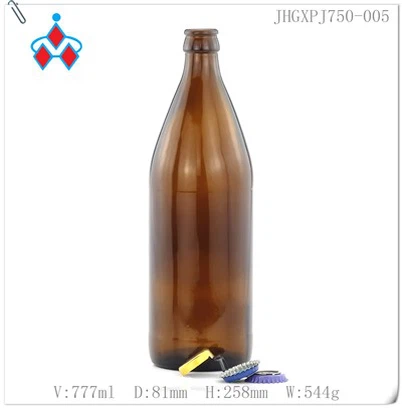
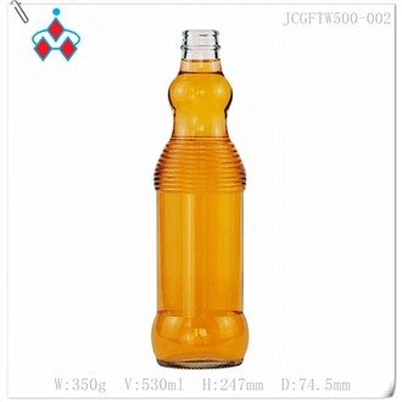
No matter how you choose to store your sesame oil, it's important to choose the right bottles to keep it in. At our company, we offer a wide range of Sesame Oil Glass Bottles that are perfect for storing sesame oil. Our glass bottles are made from high-quality materials that are resistant to heat, light, and oxygen, which helps to keep the oil fresh and prevent it from going rancid.
We also offer Sesame Oil Glass Bottles 500ml and Glass Bottles for Sesame Oil in different sizes and designs to meet your specific needs. Whether you're a home cook or a professional chef, we have the perfect bottles for you.
Tips for Storing Sesame Oil
Here are some additional tips to help you store sesame oil properly:
- Keep it sealed: Make sure to keep the sesame oil bottles tightly sealed when not in use to prevent oxidation and contamination.
- Avoid direct sunlight: Store the oil in a cool, dark place, away from direct sunlight and heat sources.
- Use a clean utensil: Always use a clean utensil to pour the oil to prevent contamination.
- Check the expiration date: Make sure to check the expiration date on the sesame oil bottles and use the oil before it expires.
Conclusion
In conclusion, the question of whether you should store sesame oil bottles in the refrigerator isn't a one-size-fits-all answer. It depends on your personal situation and preferences. Whether you choose to refrigerate or not, make sure to use high - quality Sesame Oil Glass Bottles to store your precious sesame oil.
If you're in the market for top - notch sesame oil bottles for your business or personal use, we're here to help. We're passionate about providing high - quality products that meet your storage needs. Contact us for procurement and let's have a chat about how we can work together.
References
- "The Science of Cooking Oils." Cook's Illustrated.
- "Sesame Oil: Health Benefits, Uses, and Risks." Healthline.