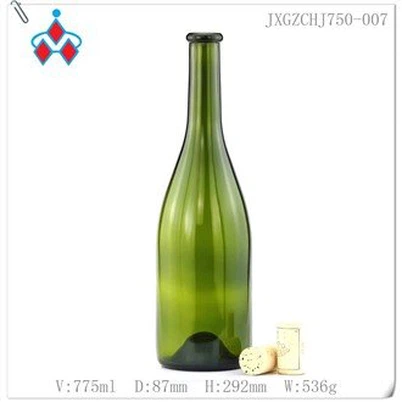
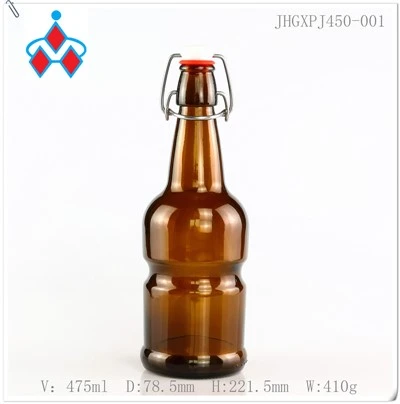
How to clean glass liquor bottles?
Leave a message

Cleaning glass liquor bottles is a meticulous process that not only enhances the aesthetic appeal of the bottles but also ensures their reusability and hygiene. As a trusted supplier of high - quality glass liquor bottles, I understand the importance of maintaining the pristine condition of these vessels. In this blog, I will share some effective methods and tips on how to clean glass liquor bottles.
Why Cleaning Glass Liquor Bottles Matters
Before delving into the cleaning process, it's essential to understand why cleaning these bottles is crucial. Firstly, for suppliers like us, clean bottles are a sign of quality. When our clients receive bottles that are free from residue and stains, it reflects positively on our brand. Secondly, clean bottles are necessary for reuse. Whether it's for refilling with a new batch of liquor or for decorative purposes, a clean bottle is more appealing and functional.
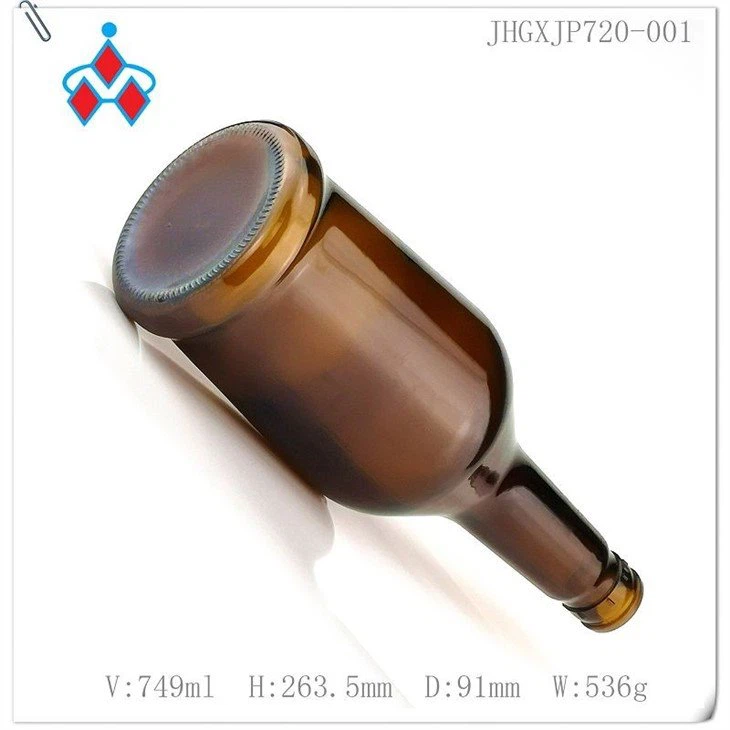

Pre - cleaning Preparations
The first step in cleaning glass liquor bottles is to gather the necessary supplies. You will need warm water, mild dish soap, a long - handled bottle brush, white vinegar, baking soda, and a soft cloth. Additionally, if the bottles have labels, you can use a label remover or soak them in warm, soapy water to make the labels easier to peel off.
Removing Labels
Labels can be a nuisance when cleaning glass liquor bottles. To remove them, start by soaking the bottle in warm, soapy water for about 15 - 20 minutes. This will loosen the adhesive. After soaking, try to peel off the label gently. If there are any stubborn remnants, you can use a small amount of white vinegar on a soft cloth to wipe them away. For more persistent labels, a label remover can be used according to the manufacturer's instructions.
Initial Rinse
Once the labels are removed, give the bottle a thorough rinse under warm running water. This will help to remove any loose debris, dirt, or remaining label adhesive. Make sure to rinse the inside and outside of the bottle, paying special attention to the neck and the bottom of the bottle.
Using Dish Soap and Bottle Brush
Fill the bottle about one - third full with warm water and add a few drops of mild dish soap. Insert the long - handled bottle brush into the bottle and scrub the inside walls, the bottom, and the neck thoroughly. The brush will help to dislodge any stubborn residue or sediment that may be stuck to the glass. Rinse the bottle several times with warm water to remove all the soap.
Dealing with Tough Stains
If there are tough stains inside the bottle, you can use a mixture of baking soda and water. Make a thick paste by combining baking soda and a small amount of water. Apply the paste to the stained areas using the bottle brush and let it sit for about 10 - 15 minutes. The baking soda will act as a mild abrasive and help to break down the stains. After the waiting period, scrub the stained areas again with the brush and rinse the bottle well.
Another effective solution for tough stains is white vinegar. Fill the bottle about one - quarter full with white vinegar and let it sit for a few hours or overnight. The acidic nature of vinegar helps to dissolve mineral deposits and stains. After soaking, rinse the bottle thoroughly with warm water.
Drying the Bottles
After cleaning, it's important to dry the bottles properly. You can let the bottles air - dry upside down on a clean towel or drying rack. This allows any remaining water to drain out completely. Avoid using a cloth to dry the inside of the bottle, as it may leave lint behind.
Polishing the Bottles
Once the bottles are dry, you can polish them to give them a shiny finish. Use a soft, dry cloth to gently buff the outside of the bottle. This will remove any fingerprints or smudges and make the bottle look more presentable.
Special Considerations for Different Bottle Shapes
We offer a variety of bottle shapes, including the Unusual Liquor Bottle. Cleaning these unique - shaped bottles may require a bit more effort. For bottles with narrow necks or intricate designs, you may need to use a smaller bottle brush or a pipe cleaner to reach all the corners. Take your time and be gentle to avoid damaging the bottle.
Cleaning in Bulk
As a supplier, we often deal with cleaning bottles in large quantities. When cleaning in bulk, it's a good idea to set up an assembly - line system. Have one area for soaking the bottles, another for scrubbing, and a final area for rinsing and drying. This will make the process more efficient and save time.
Quality Control
After cleaning, it's important to conduct a quality control check. Inspect each bottle for any remaining stains, residue, or damage. Make sure the bottles are completely dry and free from any foreign objects. This will ensure that the bottles meet our high - quality standards before they are shipped to our clients.
Conclusion
Cleaning glass liquor bottles is a multi - step process that requires attention to detail. By following these steps, you can ensure that your glass liquor bottles are clean, hygienic, and ready for use. Whether you are a distillery looking to refill the bottles or a collector interested in displaying them, a clean bottle makes all the difference.
If you are in the market for high - quality glass liquor bottles, we have a wide range of options to choose from, including the Glass Gin Bottle 500ml and the Glass Liquor bottle 720ml. We are committed to providing our clients with the best products and services. If you have any questions or would like to discuss your procurement needs, please feel free to contact us. We look forward to working with you.
References
- "The Complete Guide to Cleaning Glassware" - A handbook on glassware maintenance.
- "Best Practices for Liquor Bottle Cleaning" - An industry - specific guide on cleaning liquor bottles.