Do soft drink glass bottles have a longer lifespan than plastic bottles?
Leave a message

Hey there! As a supplier of Soft Drink Glass Bottles, I've been getting a lot of questions lately about whether soft drink glass bottles have a longer lifespan than plastic bottles. It's a hot topic, and I'm here to break it down for you.
Let's start by looking at the basic characteristics of both glass and plastic bottles. Glass bottles are made from natural materials like sand, soda ash, and limestone. They're strong, non - porous, and don't react with the soft drink inside. On the other hand, plastic bottles are usually made from polyethylene terephthalate (PET), a synthetic polymer.
One of the main factors that determine the lifespan of a bottle is its durability. Glass bottles are incredibly tough. They can withstand a fair amount of rough handling without breaking easily. You can drop a glass bottle a few times, and as long as it doesn't hit a sharp edge, it'll probably still be in one piece. Plastic bottles, however, are more prone to damage. They can get scratched, dented, and even punctured quite easily. A small scratch on a plastic bottle can weaken its structure over time, making it more likely to leak or break.
Another aspect to consider is the impact of the environment on the bottles. Glass is resistant to a wide range of environmental factors. It doesn't degrade when exposed to sunlight, heat, or moisture. This means that a glass bottle can sit on a shelf for years, and its quality won't be affected. Plastic, on the other hand, is not as stable. UV rays from the sun can cause plastic to break down, releasing harmful chemicals into the soft drink. Heat can also make plastic bottles warp and lose their shape.


Now, let's talk about the reuse factor. Glass bottles are highly reusable. In many places, there are systems in place for collecting, cleaning, and refilling glass bottles. A single glass bottle can be reused dozens, if not hundreds, of times. This significantly extends its lifespan. When a glass bottle comes back to the bottling plant, it goes through a thorough cleaning process, and then it's ready to be filled with a new batch of soft drink. Plastic bottles, while they can be recycled, are often down - cycled. This means that after recycling, they're turned into lower - quality products like polyester fibers for clothing or carpets, rather than being made into new soft drink bottles.
But it's not all sunshine and rainbows for glass bottles. They are heavier than plastic bottles, which means they require more energy to transport. This can have an impact on the overall carbon footprint of the soft drink industry. However, when you consider the long - term benefits of glass bottles in terms of lifespan and reuse, the environmental balance might still tip in their favor.
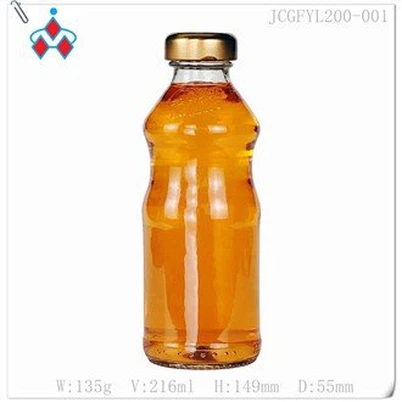
If you're in the market for high - quality soft drink glass bottles, we've got you covered. Check out our Soft Drink Glass Bottle for Sale. We offer a wide range of sizes and styles to meet your specific needs. For example, our Soft Drink Flint Glass Bottle 330ml is a popular choice among soft drink manufacturers. It's made from high - quality flint glass, which gives it a clear and elegant look. And if you need a slightly larger size, our Soft Drink Bottle 350ml is also available.
In conclusion, based on durability, environmental resistance, and reusability, it's clear that soft drink glass bottles generally have a longer lifespan than plastic bottles. If you're a soft drink producer looking to make a more sustainable and long - term choice for your packaging, glass bottles are definitely worth considering.
If you're interested in learning more about our products or want to start a purchase negotiation, don't hesitate to reach out. We're always happy to discuss your requirements and find the best solutions for your business.
References
- "The Science of Packaging Materials" by Packaging Research Institute
- "Environmental Impact of Glass and Plastic Packaging" by Green Packaging Association