How can I check the quality of sesame oil in the bottle?
Leave a message

As a supplier of Sesame Oil Bottles, I understand the importance of ensuring the quality of the sesame oil stored in these containers. Consumers often rely on visual, olfactory, and taste tests to gauge the quality of the oil, but there are also scientific methods that can be employed. In this blog post, I will share some tips on how to check the quality of sesame oil in the bottle, which will not only benefit consumers but also help us as suppliers to understand the needs and concerns of our customers.
Visual Inspection
The first step in checking the quality of sesame oil is a visual inspection. High - quality sesame oil should be clear and transparent. Cloudiness or sediment in the oil can indicate impurities or spoilage. When you hold the Sesame Oil Glass Bottles up to the light, the oil should have a consistent color. Pure sesame oil typically has a golden - brown to amber color. If the oil appears too dark or has an uneven color distribution, it might be a sign of over - roasting of the sesame seeds during production or the presence of additives.
Another visual aspect to consider is the level of the oil in the bottle. If the oil level is significantly lower than it should be, it could mean that the oil has evaporated over time, which may have been caused by poor sealing of the bottle. As a supplier of Glass Bottles for Sesame Oil, we ensure that our bottles have proper sealing mechanisms to prevent such issues.
Olfactory Test
The smell of sesame oil is a crucial indicator of its quality. High - quality sesame oil has a rich, nutty, and fragrant aroma. When you open the bottle, take a gentle sniff. If the oil has a rancid or off - smell, it has likely gone bad. Rancidity occurs when the oil is exposed to oxygen, light, or heat for an extended period, causing the breakdown of fatty acids.
Some low - quality sesame oils may also have an artificial or chemical smell. This could be due to the use of solvents in the extraction process or the addition of flavor enhancers. As a responsible supplier, we advocate for the use of natural and traditional extraction methods to preserve the pure and natural aroma of the sesame oil.
Taste Test
Taste is perhaps the most direct way to assess the quality of sesame oil. A high - quality sesame oil will have a smooth, nutty, and slightly sweet taste. When you take a small sip (or a drop on a piece of bread), the flavor should be well - balanced and not overly harsh or bitter.
If the oil tastes bitter, it could be a sign of using damaged or over - roasted sesame seeds. A harsh or chemical - like taste may indicate the presence of contaminants or improper processing. However, it's important to note that taste can be subjective, and different people may have different preferences for the intensity of the sesame flavor.
Scientific Analysis
Beyond the basic sensory tests, there are also scientific methods to check the quality of sesame oil. One of the most common parameters is the acid value. The acid value measures the amount of free fatty acids in the oil. A lower acid value indicates better - quality oil, as it means there is less breakdown of the triglycerides in the oil.
Another important parameter is the peroxide value. This value measures the level of peroxides in the oil, which are intermediate products in the oxidation process. A high peroxide value indicates that the oil is in the early stages of rancidity.
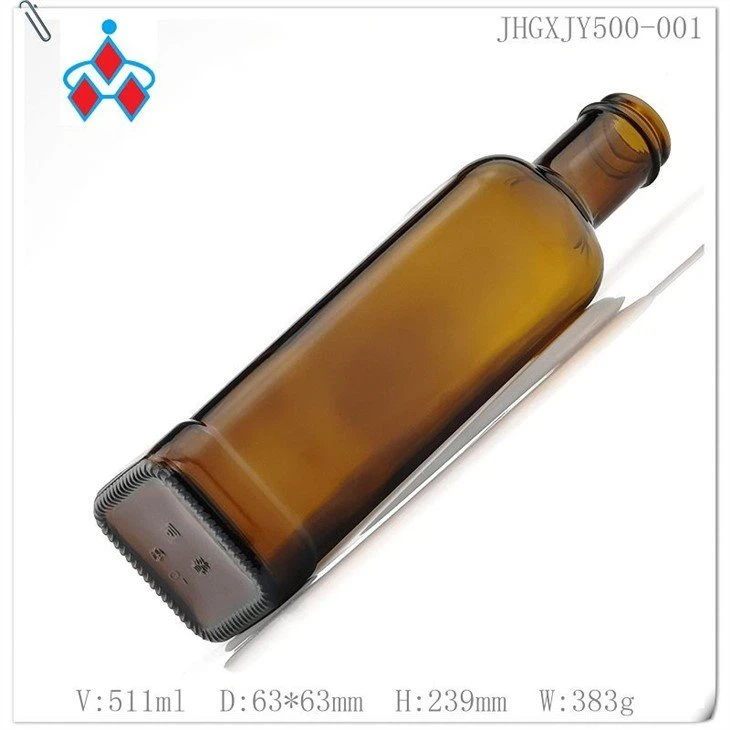
These tests usually require specialized equipment and expertise. However, as a supplier, we can work with our partners in the sesame oil production industry to ensure that the oil meets the required quality standards. We can also provide information to our customers about the quality control measures in place during the filling and packaging of the oil in our Sesame Oil Glass Bottles 500ml.
Storage Conditions
The quality of sesame oil can also be affected by its storage conditions. As a supplier, we recommend storing sesame oil in a cool, dark place. Exposure to light and heat can accelerate the oxidation process and lead to rancidity. Our glass bottles are designed to provide some protection against light, but it's still important for consumers to store the bottles properly.
It's also advisable to keep the bottle tightly sealed when not in use to prevent oxygen from entering. If possible, transfer the oil to a smaller container as it gets used up, reducing the amount of air space in the bottle and thus slowing down the oxidation process.
Importance for Suppliers
As a supplier of sesame oil bottles, understanding how consumers check the quality of sesame oil is essential for us. It helps us design bottles that can preserve the quality of the oil for a longer time. For example, we can use dark - colored glass to block out harmful UV rays, and we can improve the sealing mechanisms to prevent air and moisture from entering.
By providing high - quality bottles, we contribute to the overall quality of the sesame oil product. This not only satisfies our customers but also helps build a good reputation in the market. We want our customers to know that when they choose our Sesame Oil Glass Bottles, they are getting a reliable container that will protect their precious sesame oil.
Conclusion
Checking the quality of sesame oil in the bottle is a multi - faceted process that involves visual, olfactory, taste, and scientific analysis. As a supplier of sesame oil bottles, we play a vital role in ensuring that the oil maintains its quality from production to consumption. By providing well - designed and high - quality bottles, we help preserve the natural flavor, aroma, and nutritional value of the sesame oil.
If you are in the market for high - quality sesame oil bottles, we would love to have a conversation with you. Whether you are a small - scale sesame oil producer or a large - scale distributor, we can offer customized solutions to meet your specific needs. Contact us to start the procurement discussion and let's work together to provide the best packaging for your sesame oil products.

References
- Gunstone, F. D. (2011). Fatty acids in foods and their health implications. CRC press.
- Shahidi, F., & Zhong, Y. (2010). Oxidation in foods and beverages and antioxidant applications. Elsevier.