What is the origin of the design of vinegar bottles?
Leave a message

What is the origin of the design of vinegar bottles?
As a supplier in the vinegar bottle industry, I've always been fascinated by the humble vinegar bottle. These vessels, often overlooked in our daily lives, carry a rich history and evolution in design. Their origin is deeply intertwined with the development of vinegar production, storage, and consumption, as well as advancements in materials and manufacturing techniques.
Ancient Origins
The story of vinegar bottles begins in ancient times. Vinegar has been produced and consumed for thousands of years, with evidence of vinegar-making dating back to around 5000 BC in ancient Babylonia. In these early days, vinegar was stored in various natural containers, such as animal skins, clay jars, and gourds. These materials were readily available and could provide a basic level of protection for the vinegar.
Clay jars were a popular choice due to their relative ease of production. Ancient potters would shape the clay into jars of different sizes and designs, often with narrow necks to reduce the evaporation of the vinegar and prevent contamination. These jars were fired in kilns to harden the clay, making them more durable. Some of the earliest clay vinegar containers were simple in design, but as time passed, potters began to add decorative elements, such as patterns and symbols, which also served to identify the contents of the jar.
In regions where glassmaking was developed, such as ancient Egypt and Mesopotamia, glass also started to be used for vinegar storage. Glass offered several advantages over clay, including transparency, which allowed users to see the level and quality of the vinegar inside. Early glass bottles were made by hand, a labor - intensive process that limited their use mainly to the wealthy or for special occasions. These bottles were often small and had a spherical body with a long neck, designed to be stoppered with a cork or other sealing material.
Medieval and Renaissance Developments
During the Middle Ages, the production of vinegar became more widespread in Europe, and the design of vinegar containers continued to evolve. Monasteries played a significant role in vinegar production, and they used large wooden barrels for bulk storage. These barrels were made from staves held together by metal hoops and were well - suited for long - term storage of large quantities of vinegar.
However, for individual use and retail sale, smaller containers were needed. Glassmakers in Venice, Italy, became renowned for their intricate glassware, including vinegar bottles. They developed techniques to create more elegant and functional designs. These bottles often had a narrow body and a long, tapered neck, which made it easier to pour the vinegar without spilling. Some Venetian glass vinegar bottles were also decorated with elaborate glassblowing patterns, making them both practical and aesthetically pleasing.
In the Renaissance, advancements in technology and trade led to an increase in the availability of glass bottles. The use of cork as a stopper became more common, providing a better seal for the vinegar and helping to preserve its flavor. The design of vinegar bottles also started to be influenced by the emerging consumer culture. Bottles were becoming not just containers but also a form of marketing. Producers would label their bottles with information about the vinegar, such as its origin, type, and quality.
Industrial Revolution and Modern Design
The Industrial Revolution in the 18th and 19th centuries brought about a major transformation in the production of vinegar bottles. Mass - production techniques, such as the invention of the glass - making machine, made it possible to produce glass bottles quickly and at a lower cost. This led to a significant increase in the availability of vinegar bottles, making vinegar more accessible to a wider range of consumers.
The design of vinegar bottles during this period also became more standardized. Bottles were produced in a variety of shapes and sizes to meet different market needs. For example, there were small, single - serving bottles for use in restaurants and cafes, as well as larger bottles for household use. The introduction of screw - top lids in the 19th century provided a more convenient and secure way to seal the bottles.
In the 20th century, the use of plastic materials for vinegar bottles became more common. Plastic offered several advantages, such as light weight, durability, and lower cost. However, glass still remained a popular choice for high - quality vinegars, as it was considered to have a more premium look and did not affect the flavor of the vinegar.
Today, the design of vinegar bottles is a combination of functionality, aesthetics, and marketing. Modern vinegar bottles come in a wide range of shapes, sizes, and colors. Some are designed to have a vintage look, appealing to consumers who appreciate traditional craftsmanship. Others feature contemporary, minimalist designs to suit modern kitchen decor.


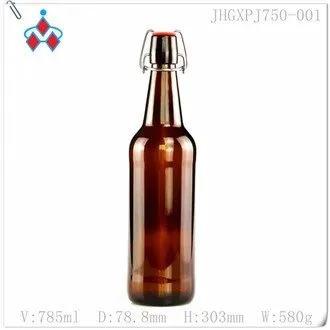
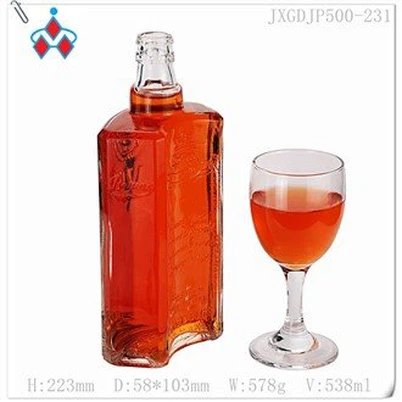
We, as a vinegar bottle supplier, offer a diverse range of products to meet the varying needs of our customers. Our Oil and Vinegar Glass Bottles are made from high - quality glass, providing an elegant and functional solution for storing both oil and vinegar. The design of these bottles takes into account the need for easy pouring and a tight seal.
Our Glass Oil and Vinegar Bottles 375ml are a popular choice for consumers who want a medium - sized container. The 375ml capacity is perfect for both home use and small - scale commercial applications. These bottles are designed to be stackable, which is convenient for storage.
For those looking for a more traditional and classic look, our White Glass Vinegar Bottle is an excellent option. The white glass gives the bottle a clean and elegant appearance, and it is available in different sizes to suit various preferences.
If you are in the market for vinegar bottles, whether you are a vinegar producer, a restaurant owner, or a retailer, we invite you to contact us for a quote and to discuss your specific requirements. Our team of experts is always ready to provide you with the best solutions and high - quality products.
References
- Benedict, S. R. (1911). The History of Glassmaking. D. Van Nostrand Company.
- Smith, J. L. (1985). Industrial Revolution and the Glass Industry. Routledge.
- Wilson, A. (2002). Ancient Technology: From the Stone Age to the Fall of Rome. Routledge.