How do I judge the smoothness of brown liquor in a bottle?
Leave a message

As a supplier of brown liquor bottles, I've had numerous discussions with distillers and connoisseurs about the quality of the brown liquor inside these bottles. One of the most common questions is how to judge the smoothness of brown liquor. Smoothness is a highly prized characteristic in brown liquor, as it often indicates a well - crafted and aged product. In this blog, I'll share some insights on how you can evaluate the smoothness of brown liquor in a bottle.


Visual Inspection
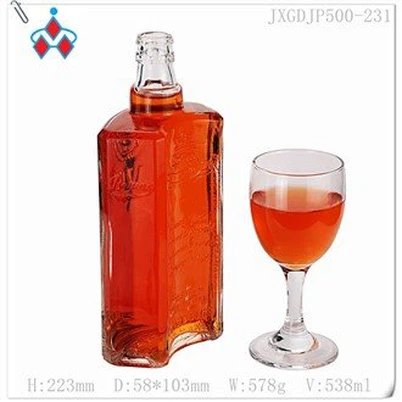
The first step in judging the smoothness of brown liquor is a visual inspection. Pour a small amount of the brown liquor into a clear glass, preferably a Glencairn glass or a tumbler. Hold the glass up to the light and observe the color and clarity of the liquor.
High - quality brown liquor, especially those that are well - aged, usually has a rich, deep color. Scotch whiskies, for example, can range from a light golden hue to a deep amber or even a mahogany color, depending on the aging process and the type of barrels used. A consistent color throughout the glass without any visible particles or sediment is a good sign. Sediment can sometimes indicate improper aging or storage conditions, which may affect the smoothness of the liquor.
The viscosity of the liquor can also give you a hint about its smoothness. When you swirl the glass gently, observe how the liquor coats the sides. If it leaves thick, slow - moving legs on the glass, it generally means the liquor has a higher alcohol content and a more viscous nature. While high viscosity doesn't directly equate to smoothness, liquors with well - balanced viscosity often have a more luxurious mouthfeel, which is associated with smoothness.
Nose: The Aroma Assessment
The sense of smell plays a crucial role in judging the smoothness of brown liquor. Bring the glass to your nose and take a gentle sniff. Don't inhale deeply at first, as the high - alcohol fumes can be overwhelming. Instead, take short, shallow sniffs to get an initial impression of the aroma.
A smooth brown liquor will typically have a complex and well - balanced aroma. You might detect notes of vanilla, caramel, or oak, which are common in aged liquors. These sweet and woody notes often contribute to a smooth and pleasant drinking experience. On the other hand, if the aroma is overly harsh or has a strong, chemical - like smell, it could be a sign that the liquor is not as smooth.
Some brown liquors also have fruity or floral undertones. For example, a well - crafted bourbon might have hints of apple or cherry, while a single - malt scotch could have a touch of heather or honey. These additional aromas not only add to the complexity but can also enhance the perception of smoothness.
Taste: The Ultimate Test
The taste is the most definitive way to judge the smoothness of brown liquor. Take a small sip and hold it in your mouth for a few seconds. Let the liquor coat your tongue and the inside of your mouth. Pay attention to how it feels on your palate.
A smooth brown liquor will have a soft, velvety texture. It should glide across your tongue without any harshness or burning sensation, even if it has a relatively high alcohol content. The flavors should be well - integrated and balanced. For instance, in a good quality rum, the sweetness of sugar cane should be balanced with the spiciness of oak and the smoothness of aging.
As you swallow the liquor, note the finish. A smooth brown liquor will have a long, lingering finish that is pleasant and free of any unpleasant aftertaste. A short or harsh finish might indicate that the liquor is not as well - crafted or aged.
It's also important to consider the mouthfeel. Some smooth brown liquors have a creamy or buttery mouthfeel, which can enhance the overall drinking experience. Others might have a slightly dry finish, which is characteristic of certain types of whiskies.
Aging and Production Process
Understanding the aging and production process of the brown liquor can also help you judge its smoothness. Generally, the longer the liquor is aged, the smoother it will be. During the aging process, the harsh edges of the alcohol are mellowed out as the liquor interacts with the wood of the barrels.
Barrel selection is another important factor. Different types of barrels, such as oak barrels that have previously held sherry or wine, can impart unique flavors and smoothness to the brown liquor. For example, a whisky aged in sherry - casks often has a richer, sweeter flavor profile and a smoother mouthfeel compared to one aged in standard charred oak barrels.
The production process itself can also affect smoothness. Some distillers use multiple distillations or filtration methods to remove impurities and create a smoother product. Small - batch distillations are often associated with higher quality and smoother liquors, as they allow for more control over the production process.
The Role of Our Bottles
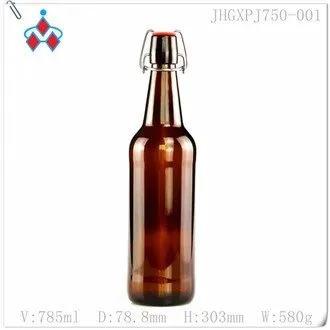
At our company, we understand that the bottle is not just a container but an important part of the overall brown liquor experience. Our Glass Liquor Bottle 1000ml is designed to preserve the quality and smoothness of the brown liquor inside. The brown glass helps to protect the liquor from harmful UV rays, which can degrade the flavor and aroma over time.
Our Glass Liquor Brown Bottle is crafted with high - quality materials to ensure a leak - proof and air - tight seal. This helps to maintain the integrity of the liquor and prevent any oxidation, which can lead to a loss of smoothness.
The Old Liquor Brown Glass Bottle offers a classic and elegant look that is perfect for premium brown liquors. It not only enhances the visual appeal of the product but also provides a sense of authenticity and tradition.
Conclusion
Judging the smoothness of brown liquor in a bottle requires a combination of visual inspection, aroma assessment, taste testing, and an understanding of the aging and production process. By using these methods, you can make a more informed decision about the quality of the brown liquor you're considering.
As a supplier of high - quality brown liquor bottles, we are committed to providing products that help preserve the smoothness and quality of your brown liquor. If you're interested in learning more about our products or have any questions about brown liquor bottles, we encourage you to reach out to us for a procurement discussion. We look forward to working with you to ensure that your brown liquor is presented in the best possible way.
References
- "The World of Whisky" by Dave Broom
- "Rum: A Global History" by Richard Foss
- Industry reports on brown liquor production and aging processes