What is the effect of temperature on a whisky bottle?
Leave a message

Temperature is a critical factor that significantly impacts the quality, flavor, and overall condition of whisky. As a dedicated whisky bottle supplier, I've witnessed firsthand how temperature variations can affect not only the whisky inside the bottle but also the integrity of the bottle itself. In this blog, I'll explore the multifaceted effects of temperature on a whisky bottle and why it matters for both producers and consumers.
Impact on Whisky Quality
Chemical Reactions
Whisky is a complex mixture of various chemical compounds, including alcohols, esters, and acids. Temperature plays a crucial role in the rate of chemical reactions that occur within the bottle. At higher temperatures, these reactions speed up. For instance, the oxidation process, which can change the flavor profile of whisky, becomes more rapid. Oxidation can lead to the development of new flavors, but if it happens too quickly or to an excessive degree, it can result in a loss of the whisky's original character. The delicate balance of flavors that distillers painstakingly create can be disrupted, leading to a less enjoyable drinking experience.
On the other hand, lower temperatures slow down these chemical reactions. This can be beneficial for preserving the whisky's original flavor profile over an extended period. However, extremely low temperatures can also cause some compounds in the whisky to precipitate out, forming a haze or sediment. While this is usually harmless from a safety perspective, it can be unappealing to consumers.
Evaporation
Temperature also affects the rate of evaporation. In warmer conditions, the whisky inside the bottle will evaporate more quickly. This not only reduces the volume of the whisky but can also concentrate the flavors. As the alcohol evaporates, the remaining liquid becomes more viscous, and the flavors become more intense. However, if the evaporation is excessive, it can lead to a loss of the whisky's complexity and balance.
In cooler temperatures, evaporation is significantly reduced. This is why whisky is often stored in cool, dark places. For long - term storage, such as in a cellar, a consistent cool temperature helps to minimize evaporation and preserve the whisky's quality.
Impact on the Whisky Bottle
Glass Integrity
The glass of a whisky bottle is designed to withstand normal temperature variations. However, extreme temperature changes can pose a risk to its integrity. When a whisky bottle is exposed to rapid temperature changes, such as moving it from a cold cellar to a warm room, the glass can expand or contract unevenly. This can create stress within the glass, potentially leading to cracks or even breakage.
For example, if a bottle is taken out of a freezer and placed directly in a warm environment, the outer layer of the glass will heat up and expand faster than the inner layer. This differential expansion can cause the glass to crack. As a whisky bottle supplier, I always recommend handling bottles with care when it comes to temperature changes to avoid such issues.
Label Adhesion
The labels on whisky bottles are usually glued to the glass. Temperature can affect the adhesion of these labels. In high - temperature environments, the glue can soften, causing the label to peel or become loose. This not only affects the aesthetic appeal of the bottle but can also make it difficult for consumers to read important information such as the brand, age, and alcohol content.
Conversely, in very cold temperatures, the glue can become brittle, and the label may start to crack or flake off. Maintaining a moderate temperature is essential to ensure that the labels remain firmly attached to the bottles.


Implications for Whisky Producers and Consumers
For Producers
Whisky producers need to carefully control the temperature during the bottling process and storage. During bottling, the temperature of the whisky and the bottles should be consistent to ensure a proper fill and minimize the risk of breakage. In storage, producers often use climate - controlled warehouses to maintain a stable temperature. This helps to preserve the quality of their products and ensure that they reach the market in the best possible condition.
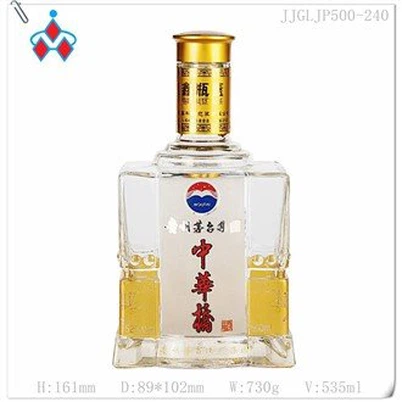
As a whisky bottle supplier, I work closely with producers to provide bottles that can withstand the temperature conditions they encounter. For example, our Whisky Crystal Alcohol Glass Bottle is made from high - quality glass that is more resistant to temperature - related stress, reducing the risk of breakage during storage and transportation.
For Consumers
Consumers also play a role in maintaining the quality of the whisky they purchase. When storing whisky at home, it's important to keep it in a cool, dark place away from direct sunlight and heat sources. A cellar or a cool cupboard is ideal. If you're traveling with whisky, be mindful of the temperature changes it may be exposed to.
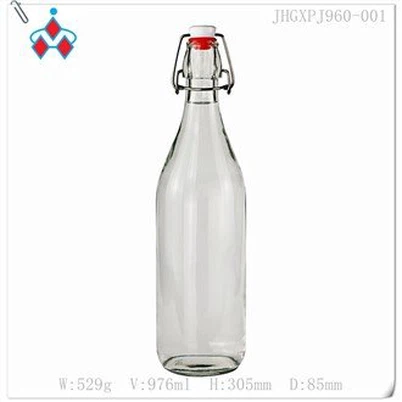
When it comes to choosing a whisky bottle, consumers can opt for bottles that are better suited to different temperature conditions. Our Clear Glass Whiskey Bottle 750ml is not only aesthetically pleasing but also designed to withstand normal temperature variations, ensuring that the whisky inside remains in good condition.
Temperature and Packaging Sets
In addition to single bottles, many consumers are interested in Whisky Bottle and Glass Set. The temperature can also affect the glasses in these sets. Similar to the whisky bottles, extreme temperature changes can cause the glasses to crack or break. It's important to store these sets in a stable temperature environment to ensure that both the bottle and the glasses remain in good condition.
Conclusion
Temperature has a profound effect on both the whisky inside the bottle and the bottle itself. From chemical reactions and evaporation that impact the whisky's flavor to the integrity of the glass and label adhesion, every aspect is influenced by temperature. As a whisky bottle supplier, I'm committed to providing high - quality bottles that can withstand temperature variations and help preserve the quality of the whisky.
Whether you're a whisky producer looking for the perfect packaging solution or a consumer wanting to enjoy your favorite dram at its best, understanding the effects of temperature is crucial. If you're interested in our range of whisky bottles and sets, I encourage you to reach out for a procurement discussion. We're here to help you find the ideal packaging for your whisky needs.
References
- "The Chemistry of Whisky" by David G. Smith
- "Whisky: Technology, Production and Marketing" by Jim Swan