How to ensure a proper seal on Swing Top Beer Bottles?
Leave a message

As a supplier of Swing Top Beer Bottles, I often get asked about how to ensure a proper seal on these nifty containers. It's crucial for anyone brewing their own beer, as a good seal keeps your brew fresh, fizzy, and free from unwanted contaminants. In this blog, I'll share some tips and tricks that I've picked up over the years to help you achieve that perfect seal every time.
Understanding the Swing Top Mechanism
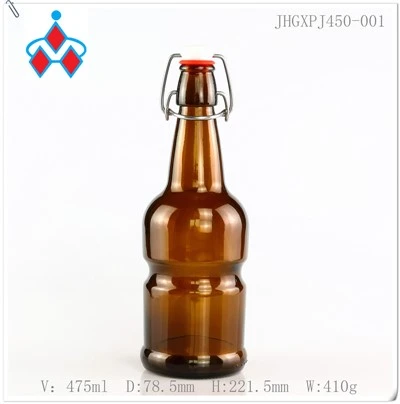
First off, let's talk about how swing top bottles work. These bottles have a special closure system with a glass stopper held in place by a metal hinge and clamp. When the clamp is tightened, it presses the stopper against the bottle's opening, creating a seal. The key to a good seal lies in making sure all the components are in good condition and properly aligned.
Choosing the Right Bottles
Not all swing top beer bottles are created equal. When you're looking for bottles, make sure you get high - quality ones. You can check out our Swing Top Beer Bottles for Sale to find a variety that suits your needs. The bottles should be made of thick, durable glass that can withstand the pressure of fermenting beer. Also, look at the rubber gasket on the stopper. It should be soft, pliable, and free from any cracks or nicks. A damaged gasket won't form a good seal, no matter how hard you clamp it.
Another factor to consider is the color of the glass. Swing Top Glass Amber Beer Bottles are a popular choice. Amber glass helps protect your beer from light, which can cause off - flavors. And if you're planning to brew larger batches, our 1 Liter Swing Top Glass Bottles might be just what you need.
Preparing the Bottles
Before you start filling your swing top bottles, you need to give them a good cleaning. Wash the bottles with hot, soapy water, making sure to get rid of any dirt, dust, or debris. Rinse them thoroughly to remove all the soap residue. You can also sanitize the bottles to kill any bacteria or yeast that could spoil your beer. There are many sanitizers available on the market, just follow the instructions on the label.
Don't forget to clean the stoppers and clamps as well. The rubber gasket on the stopper can collect dirt and grime, so it's important to give it a good scrub. You can soak the stoppers in a sanitizing solution for a few minutes to make sure they're clean and ready to use.
Filling the Bottles
When it's time to fill your swing top bottles, be careful not to overfill them. Leave about an inch of headspace at the top of the bottle. This space allows for carbon dioxide to build up during fermentation without causing the bottle to explode. Use a funnel to fill the bottles slowly and steadily, making sure not to splash the beer on the rim of the bottle. Any beer on the rim can prevent a proper seal from forming.
Sealing the Bottles
Now, here comes the crucial part: sealing the bottles. Place the stopper on the bottle opening, making sure the rubber gasket is centered. Then, lower the clamp over the stopper and press it down firmly until it clicks into place. You should feel some resistance as you close the clamp, which means it's creating a tight seal.
If you find that the clamp is too loose or too tight, you might have a problem with the bottle or the clamp itself. A loose clamp won't hold the stopper in place properly, while a too - tight clamp can damage the stopper or the bottle. In some cases, you might need to adjust the tension of the clamp. You can do this by bending the clamp slightly with a pair of pliers, but be careful not to overdo it.
Checking the Seal
After you've sealed all your bottles, it's a good idea to check the seals. You can do this by gently squeezing the bottle. If you feel any air escaping or if the stopper moves, the seal isn't good. You'll need to open the bottle, check the gasket for any debris, and reseal it.
Another way to check the seal is by letting the bottles sit for a few hours. If you see any signs of leakage around the stopper or the clamp, you know there's a problem. It's better to catch these issues early on before you start fermenting your beer.
Storing the Bottles
Once you've ensured that all the bottles are properly sealed, it's time to store them. Keep the bottles in a cool, dark place. Temperature fluctuations can affect the seal and the quality of your beer. A basement or a pantry is usually a good place to store your swing top beer bottles.


Troubleshooting Common Seal Problems
Sometimes, even if you follow all the steps, you might still encounter problems with the seal. Here are some common issues and how to fix them:
- Leakage: If you notice that your bottles are leaking, the first thing to check is the gasket. It might be damaged or misaligned. Replace the gasket if it's damaged, or reposition it if it's misaligned. You should also check the bottle opening for any cracks or chips, as these can prevent a proper seal.
- Loose Clamp: A loose clamp can be adjusted by bending it slightly. Use a pair of pliers to carefully bend the clamp until it holds the stopper tightly.
- Stuck Stopper: If the stopper is stuck and won't come out, don't force it. You can try soaking the bottle in warm water for a few minutes to loosen the seal. If that doesn't work, you might need to use a bottle opener to gently pry the stopper loose.
Conclusion
Ensuring a proper seal on swing top beer bottles is essential for brewing great - tasting beer. By choosing the right bottles, preparing them properly, filling them correctly, and sealing them tightly, you can enjoy fresh, fizzy beer every time. If you have any questions or need more information about our swing top beer bottles, don't hesitate to get in touch. We're here to help you make the most of your brewing experience. Whether you're a homebrewer or a small - scale brewery, we have the products and expertise to meet your needs. Contact us for more details and let's start a great business partnership!
References
- "The Complete Guide to Home Brewing" by Charlie Papazian
- "Brewing Classic Styles" by Jamil Zainasheff and John J. Palmer