How to seal glass beverage bottles properly?
Leave a message

As a trusted supplier of Glass Beverage Bottles, I understand the significance of properly sealing these containers. Whether you're a small - batch beverage producer, a home - brewer, or someone involved in the large - scale beverage industry, the right sealing method can make the difference between a great product and a disappointing one. In this blog, I'll share some key insights and techniques on how to seal glass beverage bottles properly.
Understanding the Importance of Proper Sealing
First and foremost, let's talk about why proper sealing matters. A good seal preserves the quality and freshness of the beverage inside. It prevents oxygen from entering the bottle, which can cause oxidation and spoilage. For carbonated beverages, an airtight seal is crucial to retain the fizz. Moreover, a secure seal also plays a role in preventing leaks during transportation and storage, protecting your product and reducing waste.
Choosing the Right Bottle and Closure
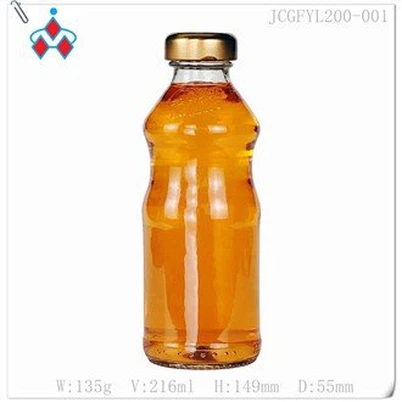
The foundation of a proper seal starts with selecting the right bottle and closure. Our product line includes a wide range of glass beverage bottles to suit different needs. For instance, the Carbonate Glass Beverage Bottle with Lid 300ml is specifically designed for carbonated drinks. Its shape and the quality of the glass are optimized to withstand the pressure of carbonation, and the lid is engineered to create a tight seal.
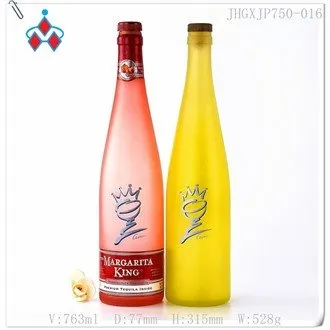
When it comes to closures, there are several options available, including screw caps, corks, and crown caps. Screw caps are convenient and easy to use, providing a reliable seal. They are suitable for a variety of beverages, including juices and non - carbonated drinks. Corks, on the other hand, add a touch of elegance and are often used for high - end wines and some artisanal beverages. Crown caps are a classic choice for carbonated beverages, as they can effectively hold in the pressure.
Preparing the Bottle and Closure for Sealing
Before sealing, it's essential to prepare both the bottle and the closure. The bottle should be thoroughly cleaned and sterilized to ensure there are no contaminants that could affect the quality of the beverage. You can use a bottle washer or soak the bottles in a sanitizing solution. Rinse the bottles well and allow them to dry completely.
For closures, they also need to be clean. If you're using screw caps, check for any damage to the threads. For corks, make sure they are in good condition without any cracks or deformities. Crown caps should be free from dents and scratches.


Techniques for Sealing Different Types of Bottles
Screw - Cap Bottles
Sealing screw - cap bottles is relatively straightforward. First, pour the beverage into the bottle, leaving an appropriate amount of headspace. The headspace allows for expansion of the liquid due to temperature changes. Then, place the screw cap on the bottle and turn it clockwise. Make sure to tighten it firmly but not too tightly, as overtightening can damage the threads and lead to a poor seal.
Corked Bottles
For corked bottles, especially those used for wine, the process is a bit more involved. You'll need a corker, which can come in different types, such as manual or electric. First, insert the cork into the corker. Then, place the bottle under the corker and use the mechanism to push the cork into the bottle neck. The cork should be inserted about three - quarters of the way into the neck to ensure a proper seal.
Crown - Capped Bottles
Crowning a bottle is a common method for carbonated beverages. You'll need a crown capper, which can be either a hand - held or a table - mounted device. First, place the bottle on a stable surface and position the crown cap on the bottle's opening. Then, use the capper to press down firmly on the cap, which will crimp the edges of the cap around the bottle neck, creating an airtight seal.
Quality Control of Sealing
After sealing the bottles, it's important to conduct quality control checks. You can visually inspect the seals for any obvious signs of damage or improper sealing, such as loose caps or misaligned corks. For carbonated beverages, you can also listen for a hissing sound, which could indicate a leak.
Another method is to perform a pressure test. If you have the necessary equipment, you can measure the pressure inside the bottle to ensure it is within the desired range. This is especially important for carbonated beverages, as the correct pressure is essential for maintaining the fizz.
Sealing for Fermentation
If you're involved in Glass Bottle Fermentation, the sealing process has some unique considerations. During fermentation, carbon dioxide is produced, so the seal needs to allow for the release of this gas while still preventing oxygen from entering. Special fermentation caps or airlocks can be used for this purpose.
When fermenting in glass bottles, such as our Glass Beverage Bottle 250ml, it's important to ensure that the bottle can withstand the pressure generated during fermentation. The bottle should be made of high - quality glass that can handle the stress.
Environmental Considerations
In today's world, environmental concerns are important. As a supplier of glass beverage bottles, we are committed to promoting sustainable practices. Glass is a highly recyclable material, and proper sealing can also play a role in reducing waste. By ensuring that your products are well - sealed, you can minimize spoilage and leakage, which reduces the amount of wasted beverages and packaging.
Conclusion
Properly sealing glass beverage bottles is an art that combines the right choice of bottle and closure, careful preparation, and the correct sealing techniques. Whether you're dealing with carbonated drinks, fermented beverages, or still juices, following these guidelines will help you maintain the quality of your products and ensure customer satisfaction.
If you're in the market for high - quality glass beverage bottles and need more information about our products or sealing solutions, we welcome you to reach out for a procurement discussion. We're here to help you find the best packaging solutions for your beverage business.
References
- Beverage Packaging Technology Handbook
- Principles of Food Packaging and Preservation