What are the common defects in beer bottle crown caps?
Leave a message

As a seasoned supplier of beer bottle crown caps, I've witnessed firsthand the pivotal role these small yet crucial components play in the beer packaging process. While crown caps are designed to provide a reliable seal, ensuring the freshness and quality of the beer within, they are not immune to defects. In this blog post, I'll delve into the common defects found in beer bottle crown caps, exploring their causes, impacts, and potential solutions.
1. Seal Integrity Issues
One of the most critical functions of a beer bottle crown cap is to create an airtight seal. Any compromise in this seal can lead to significant problems, such as oxidation, carbonation loss, and contamination.
Leakage
Leakage is perhaps the most obvious seal integrity issue. It can occur due to several reasons, including improper crimping during the bottling process. If the crown cap is not crimped tightly enough onto the bottle neck, it may not form a proper seal, allowing beer to escape and air to enter. Another cause could be damage to the crown cap itself, such as dents or scratches, which can disrupt the sealing surface.
The impact of leakage is twofold. Firstly, it can lead to a loss of carbonation, making the beer flat and less appealing to consumers. Secondly, it exposes the beer to oxygen, which can cause oxidation. Oxidation can result in off - flavors and aromas, such as a cardboard - like taste, and can also lead to the growth of spoilage organisms.
To address leakage issues, it's essential to ensure that the bottling equipment is properly calibrated and maintained. Regular inspections of the crown caps for damage before use can also help prevent this defect.
Incomplete Sealing
In some cases, the crown cap may appear to be properly crimped, but there is still an incomplete seal. This can be due to contaminants on the bottle neck or the sealing surface of the crown cap. For example, if there is beer residue or debris on the bottle neck, it can prevent the crown cap from forming a tight seal.
Incomplete sealing can have similar consequences to leakage, including carbonation loss and oxidation. To avoid this problem, thorough cleaning of the bottle necks before capping is crucial. Additionally, using high - quality crown caps with well - designed sealing gaskets can improve the sealing performance.
2. Crown Cap Deformation
Crown caps can experience various forms of deformation during the manufacturing, transportation, or bottling processes.
Dents
Dents in crown caps can occur during handling or transportation. If the crown caps are not properly protected, they can be subjected to impacts that cause dents. Dents can not only affect the appearance of the crown cap but also compromise the seal integrity. As mentioned earlier, dents can disrupt the sealing surface, leading to leakage or incomplete sealing.
To prevent dents, proper packaging and handling procedures should be in place. Using protective packaging materials, such as trays or cartons with cushioning, can help reduce the risk of damage during transportation.
Buckling
Buckling is another form of deformation that can occur when the crown cap is under excessive stress. This can happen during the capping process if the capping machine applies too much pressure. Buckling can distort the shape of the crown cap, making it difficult to form a proper seal and also affecting its aesthetic appeal.
To avoid buckling, it's important to set the capping machine parameters correctly. Regular monitoring of the capping process can help detect any issues with pressure and make necessary adjustments.
3. Printing and Labeling Defects
In addition to functional defects, crown caps can also have issues related to printing and labeling.
Fading or Smudging
Printing on crown caps is often used for branding and product information. However, fading or smudging of the print can occur over time, especially if the crown caps are exposed to harsh environmental conditions, such as high humidity or temperature. This can make the branding and product information less visible, which can be a problem for marketing and consumer identification.
To prevent fading or smudging, high - quality inks and printing techniques should be used. Additionally, proper storage conditions can help preserve the print quality.
Incorrect Printing
Incorrect printing, such as misaligned logos or incorrect product information, can also be a defect. This can happen due to errors in the printing setup or malfunction of the printing equipment. Incorrect printing can lead to confusion among consumers and may also have legal implications if the product information is inaccurate.
To avoid incorrect printing, strict quality control measures should be in place during the printing process. Regular inspections of the printed crown caps can help catch any errors early.
4. Material - Related Defects
The quality of the materials used in crown caps can also lead to defects.
Rusting
If the crown caps are made of metal, rusting can be a significant issue. Rusting can occur when the metal is exposed to moisture or corrosive substances. Rust not only affects the appearance of the crown cap but can also contaminate the beer. It can also weaken the structure of the crown cap, increasing the risk of leakage.
To prevent rusting, using corrosion - resistant metals or applying protective coatings can be effective solutions. Proper storage in a dry environment is also essential.
Poor - Quality Sealing Gaskets
The sealing gasket in a crown cap is responsible for creating the airtight seal. If the gasket is made of poor - quality material, it may not provide a reliable seal. For example, a gasket that is too hard may not conform well to the bottle neck, while a gasket that is too soft may be easily damaged.
Using high - quality sealing gaskets with the right hardness and elasticity is crucial to ensure proper sealing. Regular testing of the gaskets for performance can also help identify and address any material - related issues.
Choosing the Right Beer Bottles for Crown Caps
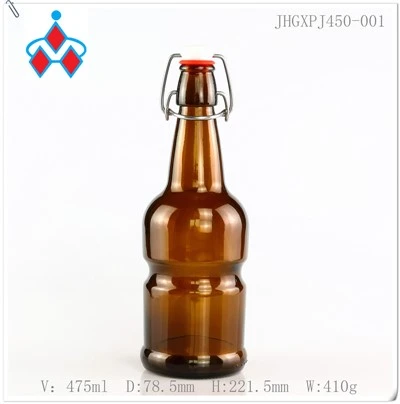
When it comes to using beer bottle crown caps, the choice of beer bottles is also important. Different types of beer bottles can affect the performance of the crown caps. For example, Amber Beer Glass Bottle 500ml and 650ml Amber Beer Glass Bottle are popular choices. The amber glass can protect the beer from light, which can cause skunking. However, it's important to ensure that the bottle necks are of the right size and shape to fit the crown caps properly.
Another option is the Brown Beer Glass Bottle. Brown glass also provides good protection against light and can be a great match for crown caps. The compatibility between the bottle and the crown cap is essential for a proper seal.
Conclusion
As a beer bottle crown cap supplier, I understand the importance of providing high - quality products that are free from defects. The common defects in beer bottle crown caps, such as seal integrity issues, deformation, printing and labeling problems, and material - related defects, can have a significant impact on the quality and appeal of the beer. By being aware of these defects and taking proactive measures to prevent them, we can ensure that our customers receive the best - possible crown caps for their beer packaging needs.
If you're in the beer industry and are looking for reliable beer bottle crown caps, we'd love to have a conversation with you. Our team of experts can provide you with detailed information about our products and how they can meet your specific requirements. Contact us to start a discussion about your procurement needs and find out how we can help you ensure the quality of your beer packaging.


References
- ASBC Methods of Analysis. American Society of Brewing Chemists.
- Brewing Science and Practice. Siebert, K. J.
- Packaging Technology for Food Products. Robertson, G. L.