What is the best way to transport glass canning jars?
Leave a message

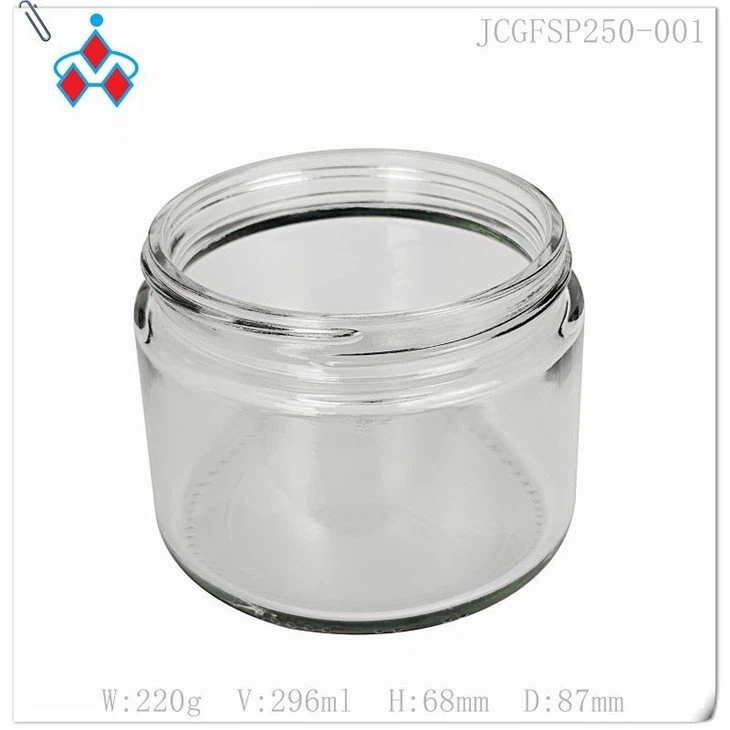
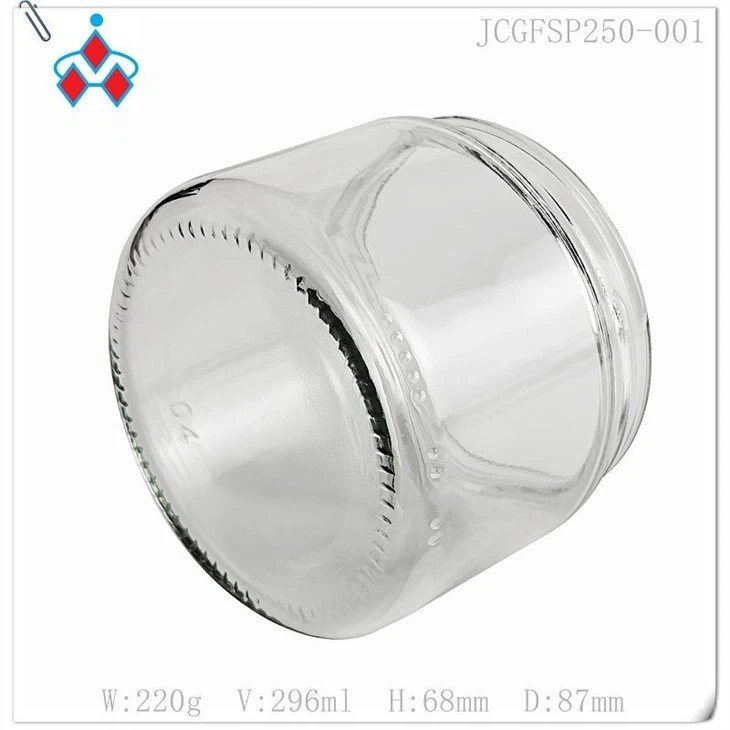
As a supplier of Glass Canning Jars, I've faced numerous challenges and learned a great deal about the best ways to transport these delicate products. Glass canning jars, with their transparency, durability, and ability to preserve food effectively, are in high demand. However, due to their fragile nature, transporting them requires careful planning and execution. In this blog, I'll share some insights on the best way to transport glass canning jars based on my experiences.
Understanding the Risks
Before delving into the transportation methods, it's crucial to understand the risks associated with moving glass canning jars. Glass is prone to breakage from impacts, vibrations, and temperature changes. During transit, jars can collide with each other or other objects, leading to cracks or shattering. Moreover, sudden temperature fluctuations can cause the glass to expand or contract, increasing the likelihood of breakage. Therefore, the primary goal during transportation is to minimize these risks and ensure that the jars arrive at their destination in perfect condition.
Packaging Materials
The first step in safe transportation is choosing the right packaging materials. Here are some essential items:
- Bubble Wrap: This is a classic choice for protecting glass items. Wrap each jar individually with multiple layers of bubble wrap, ensuring that all surfaces are covered. The air pockets in the bubble wrap act as a cushion, absorbing shocks and preventing direct contact between the jars.
- Foam Inserts: Foam inserts can be custom - made to fit the shape of the jars. They provide excellent protection by filling the empty spaces around the jars and reducing movement. You can place the jars in the foam inserts, which are then placed in a larger box.
- Cardboard Boxes: Select sturdy cardboard boxes that are the appropriate size for the jars. The boxes should be able to withstand the weight of the jars and any external pressure during transit. Make sure the boxes have flaps that can be securely sealed. You can find Glass Ball Canning Jars and other types of jars that require proper cardboard box packaging.
Packaging Process
Once you have the necessary materials, follow these steps for proper packaging:
- Clean the Jars: Before packaging, ensure that the jars are clean and dry. Any moisture or debris can cause the packaging materials to stick or create a breeding ground for bacteria.
- Wrap the Jars: Wrap each jar tightly with bubble wrap. Start from the base and work your way up, overlapping the layers to provide maximum protection. Secure the bubble wrap with tape.
- Place in Foam Inserts (if available): If you have foam inserts, carefully place the wrapped jars in them. The inserts should hold the jars firmly in place.
- Fill the Box: Place the jars (either in foam inserts or wrapped individually) in the cardboard box. Fill any empty spaces with additional bubble wrap, packing peanuts, or crumpled paper to prevent the jars from moving inside the box.
- Seal the Box: Use strong packing tape to seal the box securely. Make sure all the edges and seams are well - sealed to prevent the box from opening during transit.
Choosing the Right Carrier
Selecting a reliable carrier is crucial for the safe transportation of glass canning jars. Here are some factors to consider:
- Experience: Look for carriers with experience in transporting fragile items. They are more likely to have the necessary handling procedures in place to minimize the risk of breakage.
- Insurance: Ensure that the carrier offers insurance for the shipment. In case of any damage during transit, you can be compensated for the loss.
- Tracking: Choose a carrier that provides tracking services. This allows you to monitor the progress of your shipment and know when it will arrive at its destination.
Temperature and Humidity Control
As mentioned earlier, temperature and humidity can affect the integrity of glass canning jars. Here are some tips to control these factors:
- Avoid Extreme Temperatures: Try to schedule the transportation during mild weather conditions. Extreme heat or cold can cause the glass to expand or contract, leading to breakage. If transportation during extreme weather is unavoidable, use insulated containers to protect the jars.
- Control Humidity: High humidity can cause moisture to accumulate on the jars, which may lead to corrosion of the lids or damage to the labels. Use desiccant packs in the packaging to absorb excess moisture. You can find Canning Glass Jars with Lids that are especially sensitive to humidity during transportation.
Handling and Loading
Proper handling and loading are essential to prevent damage to the jars. Here are some guidelines:
- Gentle Handling: Train your staff or the carrier's handlers to handle the boxes containing the jars gently. Avoid dropping, throwing, or stacking heavy items on top of the boxes.
- Proper Loading: When loading the boxes onto the transportation vehicle, stack them carefully. Place the heavier boxes at the bottom and the lighter ones on top. Make sure the boxes are arranged in a way that they do not shift during transit.
Testing the Packaging
Before shipping a large quantity of jars, it's a good idea to conduct some tests on the packaging. You can simulate the transportation process by gently shaking the box, dropping it from a small height (within a safe range), or subjecting it to vibrations. Check the jars inside for any signs of damage. If you find any issues, adjust the packaging accordingly. For example, if you are shipping 8OZ Glass Jars, test the packaging specifically for this size.
Conclusion
Transporting glass canning jars safely requires a combination of proper packaging, choosing the right carrier, and controlling environmental factors. By following the steps outlined in this blog, you can significantly reduce the risk of breakage and ensure that your jars arrive at their destination in perfect condition.
If you're interested in purchasing our high - quality glass canning jars, we invite you to contact us for a procurement discussion. We're committed to providing you with the best products and ensuring their safe transportation to your location.
References
- Packaging and Shipping Guidelines for Fragile Items, Industry Standards Manual
- Glass Packaging Institute Research on Glass Transportation Risks