What is the cost of producing crown caps for beer bottles?
Leave a message

As a professional supplier of crown caps for beer bottles, I have a deep - seated understanding of the costs associated with their production. In this blog, I'll break down the different cost components that go into making these essential packaging items.
Raw Materials
The raw materials are the foundation of crown cap production. The primary material used to make crown caps is typically tin - plated steel. The cost of tin - plated steel can vary significantly due to multiple factors. Global market demand for steel, fluctuations in the price of tin, and trade policies all play crucial roles. When global construction projects are booming, the demand for steel increases, potentially driving up its price. Similarly, any disruptions in tin mining, such as labor strikes or natural disasters in major tin - producing regions, can lead to a spike in tin prices, directly affecting the cost of tin - plated steel.
On average, the tin - plated steel accounts for about 40 - 50% of the total production cost of crown caps. For a high - quality finish, the tin coating has to meet certain thickness and quality standards. Cheaper steel may have inconsistent tin coatings, which can compromise the cap's ability to seal the beer bottle properly, potentially leading to spoilage of the beer inside.
In addition to the steel, there is also the cost of the liner. The liner is a crucial part of the crown cap as it provides a tight seal to keep the beer fresh and carbonated. Liners are usually made from food - grade polymers. The price of these polymers is influenced by the cost of petrochemicals, as they are often derived from them. Environmental regulations can also impact the cost. For example, if there are new regulations requiring more sustainable or biodegradable polymers, the cost of the liner may increase as manufacturers invest in research and development to meet these requirements.
Manufacturing Process
The manufacturing process of crown caps is complex and involves several steps, each with its own cost implications. The first step is stamping, where the tin - plated steel sheets are cut and shaped into the basic cap form. This requires high - precision stamping machines. The cost of purchasing and maintaining these machines is substantial. Newer, more advanced stamping machines can offer higher production speeds and better - quality output, but they come with a higher price tag. The energy consumption of these machines also adds to the cost. Stamping machines need a significant amount of electricity to operate, and any increase in electricity prices will directly impact the production cost.
After stamping, the caps go through a lining process. Specialized equipment is used to apply the liner material onto the inside of the caps. This equipment needs to be carefully calibrated to ensure a uniform liner thickness. Any errors in the lining process can lead to defective caps. If the liner is too thick, it may cause the cap to be difficult to apply or remove; if it's too thin, it won't provide an effective seal. The labor cost associated with operating and monitoring these machines is also a factor. Skilled workers are required to set up the machines, perform quality checks, and make adjustments as needed.
Next, there is the printing and decoration stage. Many beer brands require custom - printed crown caps to enhance brand visibility. High - quality printing machines are necessary to produce sharp, long - lasting prints. The cost of inks, which must be food - safe and resistant to fading, also contributes to the overall cost. Different printing methods, such as offset printing or digital printing, have different cost structures. Digital printing offers more flexibility for small - batch orders but may be more expensive per unit compared to offset printing for large - scale production.
Packaging and Shipping
Once the crown caps are manufactured, they need to be properly packaged to protect them during transportation. The packaging materials, such as plastic bags or cardboard boxes, have a cost associated with them. The design of the packaging also matters. Branded packaging can provide an additional marketing opportunity but may add to the cost.


Shipping costs are another significant factor. The weight and volume of the crown caps, as well as the distance to the customer, play a role in determining the shipping cost. For international orders, there may be additional costs such as customs duties and taxes. Freight rates can also fluctuate based on global shipping demand, fuel prices, and political situations. For example, if there are shipping disruptions due to political unrest in key shipping lanes, the cost of shipping crown caps will increase.
Quality Control
Quality control is an integral part of the production process, and it comes at a cost. Every batch of crown caps needs to be inspected to ensure they meet the required quality standards. This involves visual inspections, seal integrity tests, and sometimes, chemical analysis of the liner material to ensure it is food - safe. Quality control personnel need to be trained, and the testing equipment needs to be maintained and calibrated regularly. Any defective caps need to be removed from the production line, which can result in waste and additional costs.
Market - Related Costs
As a supplier, we also need to consider market - related costs. Marketing and sales expenses are necessary to promote our products and attract new customers. This includes attending trade shows, creating marketing materials, and maintaining a professional website. The cost of research and development is also important. We need to invest in new technologies and materials to improve the quality of our crown caps and stay competitive in the market. For example, researching new liner materials that are more eco - friendly or developing caps with better tamper - evident features requires financial resources.
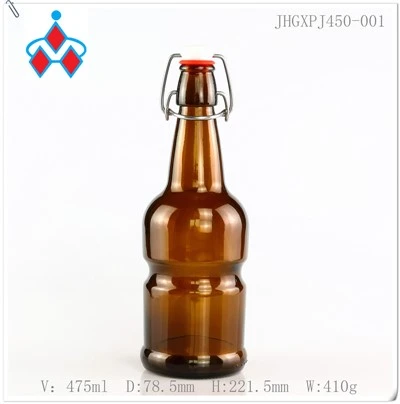
When considering different bottle sizes, such as the Amber Beer Glass Bottle 500ml, Amber Beer Glass Bottle 228ml, and 330ml Amber Beer Bottle, the production cost of the corresponding crown caps may vary slightly. Smaller caps generally use less material, but the manufacturing process may require more precision, potentially offsetting some of the material savings.
In conclusion, the cost of producing crown caps for beer bottles is a complex mix of factors. From the volatility of raw material prices to the intricacies of the manufacturing process, packaging, shipping, quality control, and market - related expenses, every aspect contributes to the final cost. As a supplier, we constantly strive to optimize these costs without compromising on quality.
If you are looking for high - quality crown caps for your beer bottles, we are here to provide professional solutions. We offer a wide range of products that can meet your specific requirements. Whether you need custom - printed caps or standard ones, we have the expertise and resources to deliver. Contact us to start a procurement negotiation and find out how we can help you with your packaging needs.
References
- "Packaging Technology for Food and Beverages" by John M. Vlachopoulos
- "The Art of Beer Packaging" by Beer Packaging Association