Are there any health risks associated with wine bottles?
Leave a message

Hey there! As a wine bottle supplier, I often get asked about the health risks associated with wine bottles. It's a valid concern, and I'm here to break it down for you in plain English.
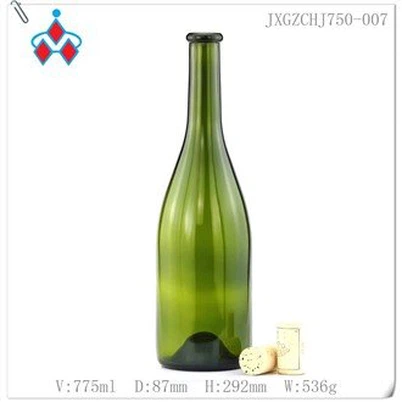
Let's start with the most common material for wine bottles: glass. Glass has been used for centuries to store wine, and for good reason. It's inert, meaning it doesn't react with the wine inside. This is crucial because it helps preserve the flavor, aroma, and quality of the wine. Whether you're talking about a Glass Bordeaux Wine Bottle or a Bordeaux Shaped Bottle, glass provides a stable environment for the wine to age gracefully.


But what about potential health risks? Well, glass is generally considered safe. It doesn't leach any harmful chemicals into the wine. As long as the glass is intact, there's no chance of it contaminating the wine with anything that could be bad for your health. However, if the glass breaks, there's obviously a risk of injury from the shards. So, it's important to handle wine bottles with care, especially during transportation and storage.
Another thing to consider is the manufacturing process of the glass. High - quality glass bottles are made under strict regulations to ensure they meet safety standards. Reputable manufacturers use food - grade glass, which is designed to come into contact with beverages like wine without causing any health issues. When you source wine bottles from a reliable supplier (hint: like me!), you can be confident that the bottles are of top - notch quality.
Now, let's talk about the closures. Cork is one of the traditional closures for wine bottles. It's a natural material, and it gives wine a certain charm. But there's a condition called "cork taint" that can affect the taste of the wine. Cork taint is caused by a compound called TCA (2,4,6 - trichloroanisole). When wine is affected by cork taint, it can have a musty, wet cardboard smell and taste. While cork taint doesn't pose a direct health risk, it can ruin the wine - drinking experience.
In recent years, screw caps and synthetic corks have become more popular alternatives to natural cork. Screw caps are easy to open and provide a more reliable seal, reducing the risk of cork taint. Synthetic corks mimic the look and feel of natural cork but are less likely to cause taint. From a health perspective, both screw caps and synthetic corks are safe to use with wine.
Some people might also wonder about the ink used for labels on wine bottles. Good news here! Wine bottle labels are printed with inks that are safe and food - compliant. These inks are designed not to migrate into the wine, so there's no worry about consuming any harmful substances from the label.
Let's take a look at different types of wine bottles. Rhine Wine Bottles, for example, are specifically designed for certain types of wine. They have their own unique shape and style, but the same safety rules apply. Whether it's a Rhine wine bottle or a different variety, the key is to ensure that the bottle is made from quality materials and is free from defects.
Now, if you're in the wine business, whether it's a small winery or a large distributor, you want to make sure that the wine bottles you're using are not only safe but also enhance the overall presentation of your product. That's where we come in. As a wine bottle supplier, I offer a wide range of bottles, closures, and customization options to meet your specific needs.
We understand the importance of quality when it comes to wine bottles. That's why we source our products from trusted manufacturers who adhere to the highest safety and quality standards. Whether you need a classic Bordeaux bottle or a trendy Rhine wine bottle, we've got you covered.
If you're looking for a reliable partner for your wine bottle needs, don't hesitate to reach out. We can work together to find the perfect bottles for your wine, ensuring that your customers have a safe and enjoyable drinking experience. Whether you're just starting out or looking to switch suppliers, we're here to make the process as smooth as possible.
In conclusion, while there are some minor considerations, such as handling broken glass and the rare issue of cork taint, wine bottles themselves generally don't pose significant health risks. As long as you choose high - quality bottles and closures from a reputable supplier, you can rest assured that your wine will be safely stored and presented.
So, if you're in the market for top - quality wine bottles, get in touch with us. Let's discuss your requirements and find the best solutions for your business.
References
- "The Science of Wine Packaging" - Journal of Wine Research
- "Safety Standards for Food - Contact Glassware" - International Glass Association