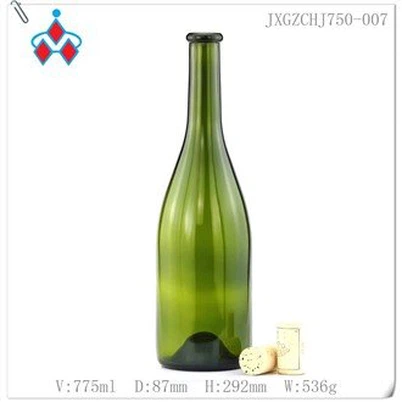
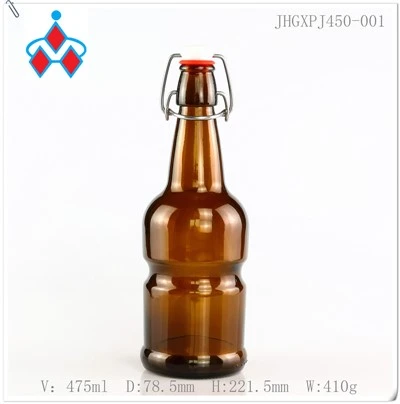
What is the difference between a screw - top and a cork wine bottle?
Leave a message

As a wine bottle supplier, I am frequently asked about the differences between screw - top and cork wine bottles. This is not only a question of preference but also has significant implications for wine quality, storage, and cost. In this blog, I will delve into the characteristics of each closure type, exploring their impacts on the wine - drinking experience.
The Traditional Cork Closure
Cork has been used as a wine bottle closure for centuries, bestowing an air of tradition and sophistication upon the wine. Historically, cork was the go - to choice for sealing wine due to its natural elasticity, which allows it to compress and create a tight seal in the bottle neck. This effectively prevents oxygen from entering the bottle and spoiling the wine.
One of the primary advantages of cork is its ability to allow a small, controlled amount of oxygen exchange. This micro - oxygenation is crucial for certain wines, especially red wines, as it aids in the aging process. Over time, the slow introduction of oxygen can help the wine develop complex flavors and aromas, mellowing tannins and enhancing its overall smoothness. For wine enthusiasts and collectors who plan to age their wines for years or even decades, cork closures are often considered the gold standard.
However, cork closures are not without their drawbacks. One of the most significant issues is cork taint. Caused by a chemical compound called 2,4,6 - trichloroanisole (TCA), cork taint can give wine an unpleasant, musty smell, rendering it undrinkable. Estimates suggest that around 2 - 5% of cork - sealed wines may be affected by cork taint. This inconsistency can be a major concern for both producers and consumers.
Another problem is the variability in cork quality. Natural cork is made from the bark of the cork oak tree, and its quality can vary depending on factors such as the tree's age, location, and the harvesting process. Inconsistent corks can lead to variations in the amount of oxygen that enters the bottle, which might affect the wine's aging and taste.
The Modern Screw - Top Closure
Screw - top closures have gained significant popularity in recent years, especially for wines intended for early consumption. Unlike cork, screw - tops provide an almost airtight seal, preventing oxygen from entering the bottle. This is ideal for wines that are meant to be consumed within a few years of bottling, as it helps preserve their fresh, fruity flavors.
One of the main benefits of screw - tops is their reliability. Since they do not suffer from cork taint, consumers can have greater confidence in the quality of the wine they are purchasing. Additionally, screw - tops are much easier to open compared to corks, eliminating the need for a corkscrew. This convenience has made them a favorite among casual wine drinkers and those on the go.
From a production perspective, screw - tops are also more cost - effective. They are easier to install on bottles, which reduces production time and labor costs. For wine producers, this can result in significant savings, which can be passed on to consumers in the form of lower - priced wines.
However, screw - tops do have a few limitations. The airtight seal they provide can be a disadvantage for wines that require oxygenation to develop. Without the slow introduction of oxygen, these wines may not reach their full potential in terms of flavor and complexity over time.
Impact on Wine Quality
The choice between a screw - top and a cork closure can have a profound impact on the quality of the wine. For wines that are bottled to showcase their immediate freshness, such as many white wines and rosés, a screw - top is often the better option. The tight seal preserves the wine's fruity and floral notes, ensuring that the wine tastes as good as it did on the day it was bottled.
In contrast, for full - bodied red wines that are intended to age, cork closures are generally preferred. The slow oxygen exchange allowed by cork can transform the wine over time, turning a young, harsh wine into a smooth, well - balanced beverage with rich flavors and aromas.
Cost Considerations
Cost is another important factor when it comes to choosing between screw - top and cork closures. As mentioned earlier, screw - tops are more cost - effective for producers. This cost - saving can be reflected in the retail price of the wine. Generally, wines with screw - tops are more likely to be budget - friendly, making them accessible to a wider range of consumers.
On the other hand, cork closures are more expensive. The harvesting and processing of cork require specialized skills and labor, and the demand for high - quality cork can drive up the price. Wines with cork closures are often associated with higher - end products, and consumers may be willing to pay a premium for the perceived quality and tradition that cork represents.
Market Trends
In recent years, the market trends for screw - top and cork closures have been evolving. Screw - tops have seen a steady increase in popularity, particularly in countries like Australia and New Zealand, where many wine producers have embraced the technology. The growing preference for convenience and the desire to avoid cork taint have contributed to this trend.
However, cork still holds a significant market share, especially in traditional wine - producing regions such as France, Italy, and Spain. These regions have a long - standing tradition of using cork closures, and many consumers associate cork - sealed wines with high - quality, aged wines.
Our Offerings
As a wine bottle supplier, we offer a wide variety of wine bottles suitable for both screw - top and cork closures. For example, our Glass Bordeaux Wine Bottle is a classic choice that can be paired with either closure type. It has the traditional Bordeaux shape, which is widely recognized in the wine industry.
Our Rhine Wine Bottles are also available for different closure options. These bottles are known for their slender shape and are perfect for white wines.


If you are looking for a more specific option, our Clear Glass Bordeaux Wine Bottle offers a clear view of the wine, making it an attractive choice for display.
Conclusion
In conclusion, the choice between a screw - top and a cork wine bottle depends on various factors, including the type of wine, its intended aging period, cost, and consumer preference. While screw - tops offer reliability, convenience, and cost - effectiveness, cork closures bring tradition and the potential for complex aging.
As a wine bottle supplier, we understand the importance of providing the right closures and bottles for different types of wines. Whether you are a boutique winery or a large - scale producer, we can work with you to find the perfect packaging solution for your wine.
If you are interested in learning more about our wine bottle offerings or discussing your packaging needs, please reach out. We are here to assist you in making the best choices for your wine products.
References
- "The Science of Wine" by Jamie Goode
- "Wine Grapes: A Complete Guide to 1,368 Vine Varieties, Including Their Origins and Flavours" by Jancis Robinson, Julia Harding, and José Vouillamoz
- Industry reports on wine packaging trends from leading market research firms.