What is the lead content in glass honey jars?
Leave a message

Alright, folks! As a supplier of Glass Honey Jars, I often get asked about what's the lead content in these jars. It's a pretty important question, especially when it comes to food storage, and I'm here to break it down for you.
Understanding Lead and Its Concerns
First off, let's talk about lead. Lead is a heavy metal that can be harmful to human health, especially when it comes in contact with food. When lead is present in high levels, it can lead to a whole bunch of problems, like damage to the nervous system, kidneys, and even affect brain development in kids. So, it's crucial to know how much lead might be lurking in the glass honey jars we use.
How Lead Gets into Glass Honey Jars
Lead can find its way into glass during the manufacturing process. Historically, lead was added to glass to make it more refractive and easier to work with. It was also used to improve the durability and clarity of the glass. However, with the growing awareness of lead's toxicity, the use of lead in glass has been significantly reduced, but it's not completely gone.
Some raw materials used in glassmaking might contain trace amounts of lead. Also, if the production process isn't carefully controlled, there's a chance that lead can contaminate the glass. For example, if the equipment used in the factory has lead in its components and isn't properly maintained, it can transfer lead to the glass.
Regulations and Standards
There are strict regulations in place to control the amount of lead in glass products, especially those meant for food contact. These regulations vary from country to country, but they all aim to keep lead levels as low as possible. In the United States, the Food and Drug Administration (FDA) has set limits on the amount of lead that can leach from glass products into food. Similar standards are in place in the European Union and other regions.
As a responsible supplier, we follow these regulations to the letter. We source our raw materials from trusted suppliers who have a proven track record of providing lead - free or low - lead materials. Our manufacturing process is also designed to minimize the risk of lead contamination. We conduct regular quality checks to ensure that our glass honey jars meet all the relevant safety standards.
Our Glass Honey Jars
Our company takes pride in offering high - quality Glass Honey Jars. We understand that honey is a natural and healthy product, and it deserves to be stored in safe containers. That's why we've invested in advanced manufacturing techniques and quality control measures to ensure that our jars have minimal lead content.
We have a wide range of glass honey jars to choose from. You can check out our Glass Honey Jars Nz, which are designed to meet the specific needs of the New Zealand market. These jars are not only lead - safe but also come in different sizes and shapes to suit various packaging requirements.
Another popular option is our glass bee honey jars. These jars have a unique design that gives a touch of nature, making them perfect for honey products. And of course, they are made with the same high - quality standards to keep lead content at an absolute minimum.
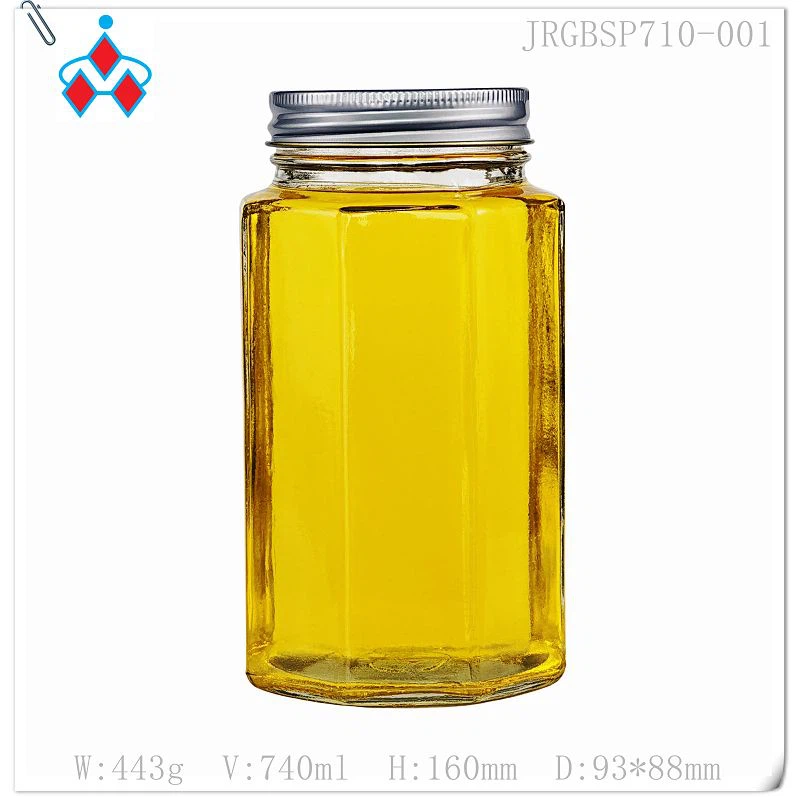
If you're looking for a classic and clear option, our Clear Glass Honey Jar is the way to go. The clear glass allows you to showcase the beautiful golden color of the honey, while also providing a safe and hygienic storage solution.
Testing for Lead Content
To give our customers peace of mind, we regularly test our glass honey jars for lead content. We use state - of - the - art testing equipment and follow industry - recognized testing methods. These tests are conducted at every stage of the production process, from the raw materials to the finished products.
We also work with independent third - party laboratories to verify our test results. This ensures that our claims about low lead content are accurate and reliable. If you have any concerns about the lead content in our jars, you can always ask for a copy of the test reports.

Why Choose Our Glass Honey Jars
There are several reasons why you should choose our glass honey jars. Firstly, as I've mentioned, our jars have minimal lead content, which means they are safe for storing honey. Honey is a food product that people consume directly, and you don't want to risk any lead contamination.
Secondly, our jars are made of high - quality glass that is durable and resistant to breakage. This means that your honey will be well - protected during storage and transportation. Additionally, glass is a natural and inert material, which means it won't react with the honey and affect its taste or quality.
Finally, we offer a wide range of customization options. Whether you want a specific size, shape, or design for your honey jars, we can work with you to make it happen. This allows you to create a unique and eye - catching packaging for your honey products.
Let's Connect
If you're in the market for high - quality glass honey jars with low lead content, we'd love to hear from you. Whether you're a small - scale beekeeper or a large - scale honey producer, we have the right solution for you. We can provide you with samples so that you can see and feel the quality of our jars firsthand.
Don't hesitate to reach out to us to discuss your requirements. We're always happy to help you find the perfect glass honey jars for your business. Let's work together to ensure that your honey products are stored in the safest and most attractive containers possible.
References
- U.S. Food and Drug Administration. (n.d.). Food - Contact Substances.
- European Union. (n.d.). Regulations on Food - Contact Materials.