What is the difference between single - malt and blended brown liquor in bottles?
Leave a message

Brown liquor, a category that encompasses whiskies, rums, and other aged spirits, holds a special place in the hearts of connoisseurs worldwide. When exploring the world of brown liquor, one often encounters two main types: single - malt and blended. As a supplier of high - quality [Brown Liquor Bottle], I've had the privilege of witnessing the nuances between these two types, not only in terms of taste but also in their market positioning and packaging requirements. In this blog, I'll delve into the differences between single - malt and blended brown liquor, and how these differences can influence the choice of bottle.
Definition and Production Process
Single - malt brown liquor, particularly single - malt whisky, is produced from malted barley at a single distillery. The process is often steeped in tradition. Barley is malted by soaking it in water and allowing it to germinate, which activates enzymes that convert starches into fermentable sugars. After malting, the barley is dried, often over a peat fire, which imparts a distinct smoky flavor in some single - malts. The malted barley is then mashed, fermented with yeast, and distilled in pot stills. This traditional method of distillation allows for more flavor compounds to be retained, resulting in a complex and unique flavor profile.
On the other hand, blended brown liquor is a combination of different types of spirits. In the case of blended whisky, it typically includes a mix of single - malt whiskies and grain whiskies. Grain whiskies are usually produced from grains other than barley, such as corn or wheat, and are often distilled in continuous stills, which are more efficient and can produce a lighter - bodied spirit. Blenders carefully select and combine these different spirits to create a consistent flavor profile that appeals to a wider audience.
Flavor Profile
The flavor of single - malt brown liquor is often characterized by its complexity and uniqueness. Each single - malt has its own distinct flavor profile, which is influenced by factors such as the type of malted barley, the water source, the distillation process, and the aging conditions. For example, a single - malt whisky from Islay in Scotland is known for its strong smoky and peaty flavor, while a single - malt from the Highlands may have a more floral and fruity character.
Blended brown liquor, on the other hand, is designed to offer a more consistent and approachable flavor. Blenders aim to create a balanced flavor profile that combines the best characteristics of different spirits. This often results in a smoother, more rounded flavor that is less intense than some single - malts. Blended whiskies can range from light and delicate to rich and full - bodied, depending on the blend.

Market Positioning
Single - malt brown liquor is often positioned as a premium product in the market. Its limited production, unique flavor profile, and association with tradition and craftsmanship make it appealing to connoisseurs and collectors. Single - malts are often sold at a higher price point and are typically targeted at a more niche market.
Blended brown liquor, on the other hand, has a much wider appeal. Its consistent flavor profile and more affordable price make it a popular choice for both casual drinkers and those new to the world of brown liquor. Blended whiskies are often the best - selling products in the whisky market, as they can be found in a variety of price ranges and are widely available in supermarkets, liquor stores, and bars.
Packaging Requirements
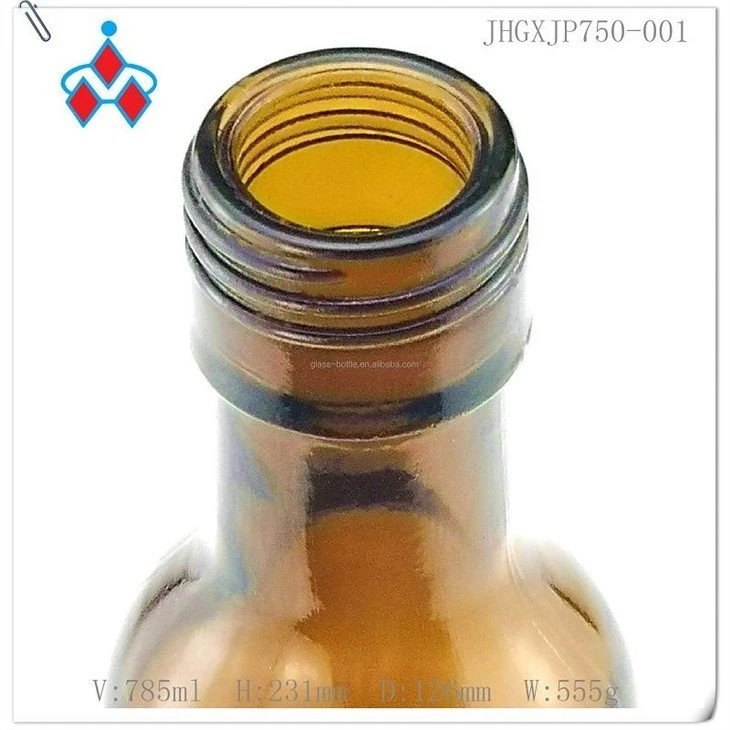
The differences between single - malt and blended brown liquor also extend to their packaging requirements. As a [Brown Liquor Bottle] supplier, I've noticed that single - malt brown liquor often requires more premium packaging to reflect its high - end positioning. Bottles for single - malts are often made of high - quality glass, with thick walls and a heavy base, giving them a substantial and luxurious feel. The labels are usually more detailed, with information about the distillery, the age of the whisky, and the flavor profile.
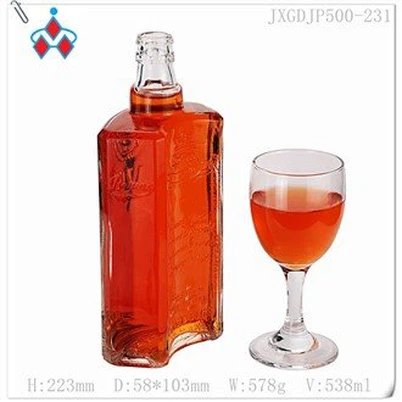
For example, our Brown Liquor Glass Store 700ml is a popular choice for single - malt whiskies. Its elegant design and high - quality glass construction make it suitable for showcasing the premium nature of single - malt brown liquor.
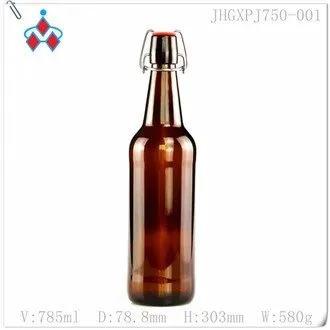
Blended brown liquor, on the other hand, may have more diverse packaging options. While some high - end blended whiskies may also use premium packaging, many blended whiskies are packaged in more standard bottles that are designed to be cost - effective and practical. Our Brown Glass Beer Bottle is a versatile option that can be used for blended brown liquors. It offers a simple and functional design that is suitable for a wide range of products.
In addition, the size of the bottle can also vary depending on the target market. Single - malts are often available in smaller sizes, such as 375ml or 500ml, which are popular for sampling or as gifts. Blended brown liquors, on the other hand, are commonly available in larger sizes, such as 750ml or 1 liter, to meet the demand of regular drinkers. Our glass alcohol bottles 750ml are a common choice for blended brown liquors, providing a standard size that is widely recognized and accepted in the market.
Conclusion
In conclusion, the differences between single - malt and blended brown liquor are significant, ranging from their production process and flavor profile to their market positioning and packaging requirements. As a [Brown Liquor Bottle] supplier, understanding these differences is crucial for providing the right packaging solutions for our customers. Whether you're a distillery producing single - malt whiskies or a blender creating blended brown liquors, we have a wide range of bottle options to meet your needs.
If you're interested in learning more about our brown liquor bottles or would like to discuss your packaging requirements, please feel free to reach out. We're here to help you find the perfect bottle for your product and ensure that it stands out in the market.
References
- "The World of Whisky" by Dave Broom
- "Whisky: The Definitive World Guide" by Jim Murray