What is the effect of oxygen on a wine bottle?
Leave a message

Hey there, wine enthusiasts and industry folks! As a wine bottle supplier, I've seen firsthand how crucial oxygen is in the world of wine. It's like a double - edged sword that can make or break a bottle of wine. Let's dive into the effects of oxygen on a wine bottle and why it matters to all of us.
Initial Contact with Oxygen: The Cork and Beyond
When a wine is bottled, the first interaction with oxygen happens right at the cork. A good cork should allow just the right amount of oxygen to seep into the bottle over time. A tiny bit of oxygen can be beneficial as it helps the wine develop complex flavors. For example, red wines can soften their tannins, which gives them a smoother mouthfeel.
But here's the catch. If too much oxygen gets in, the wine can start to oxidize prematurely. Oxidation can turn a fresh, fruity wine into a flat, dull one. You might notice the wine losing its bright color and developing a brownish tint. The aroma can also change from fresh fruits to more of a nutty or sherry - like smell.
Oxygen During Aging
Aging is where oxygen plays a really interesting role. In the right conditions, oxygen can transform a young, aggressive wine into a masterpiece. As the wine ages in the bottle, a slow and controlled amount of oxygen enters through the cork. This process allows the wine to evolve its flavors and aromas.
For red wines, oxygen helps to break down the large tannin molecules. Tannins are what give red wines their structure and astringency. Over time, with the influence of oxygen, these tannins polymerize, which means they clump together. This results in a smoother, more balanced wine. You'll start to notice flavors of dried fruits, leather, and spices emerging as the wine matures.
White wines also benefit from a little oxygen during aging. It can help to develop more complex aromas, like honey, toast, and vanilla. However, white wines are generally more sensitive to oxygen than red wines. So, the balance is even more crucial.
The Role of the Wine Bottle Itself
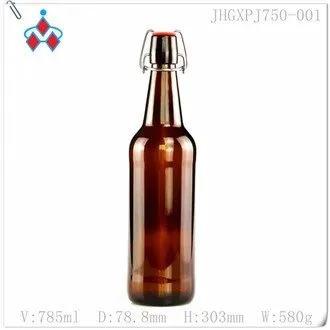
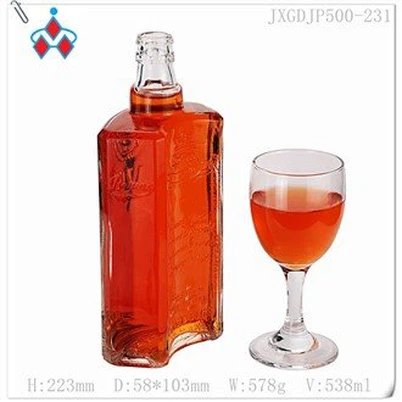
The type of wine bottle you choose can have a big impact on how oxygen affects the wine. For example, a Glass Bordeaux Style Bottle is designed in a way that can influence the wine's exposure to oxygen. These bottles are often used for red wines from the Bordeaux region. Their thick glass and specific shape can provide some protection against excessive oxygen ingress.
The Glass Bordeaux Wine Bottle is another option. It's similar to the Bordeaux - style bottle but might have some unique features that affect oxygen transfer. The size of the bottle also matters. Larger bottles, like magnums, have a smaller surface - area - to - volume ratio compared to standard 750ml bottles. This means that there's less oxygen in contact with the wine per unit volume. As a result, wines in larger bottles tend to age more slowly and evenly.
On the other hand, Burgundy Wine Glass Bottles are used for Burgundy wines. They have a different shape and may allow for a slightly different oxygen exposure. Burgundy wines are known for their delicate nature, so the bottle design helps to maintain the right balance of oxygen for these wines.
Oxygen and Wine Spoilage
As I mentioned earlier, too much oxygen can lead to wine spoilage. When a wine is over - exposed to oxygen, it goes through a series of chemical reactions that can ruin its quality. One of the main problems is the oxidation of ethanol (alcohol) in the wine. This turns ethanol into acetaldehyde, which gives the wine a sharp, unpleasant smell.


Another issue is the growth of microorganisms. Oxygen can provide a suitable environment for bacteria and yeast to grow in the wine. These microorganisms can produce off - flavors and aromas, making the wine undrinkable.
How to Control Oxygen Exposure
As a wine bottle supplier, I know that controlling oxygen exposure is key. There are a few things you can do to ensure that your wine ages properly. First, store your wine in a cool, dark place. Temperature fluctuations can cause the wine to expand and contract, which can lead to more oxygen getting into the bottle.
Second, choose the right type of closure. Corks are traditional, but they can vary in quality. Synthetic closures and screw caps are also options. Screw caps, for example, provide a very tight seal, which can reduce oxygen ingress. However, some people believe that they don't allow the wine to age in the same way as corks.
Why It Matters to You
Whether you're a winemaker, a wine retailer, or just a wine lover, understanding the effects of oxygen on a wine bottle is essential. For winemakers, it's all about creating the perfect wine. By controlling oxygen exposure during bottling and aging, they can ensure that their wines reach their full potential.
Retailers need to know how to store and display wines properly. If wines are exposed to too much oxygen on the shelves, they'll lose their quality, and customers won't be happy. And for wine lovers, it means being able to enjoy a great bottle of wine at its best.
Let's Talk Business
If you're in the wine industry and looking for high - quality wine bottles, I'm here to help. I've got a wide range of options, including the Glass Bordeaux Style Bottle, Glass Bordeaux Wine Bottle, and Burgundy Wine Glass Bottles. I understand the importance of oxygen control in wine aging, and I can help you choose the right bottles for your needs. So, let's start a conversation about your wine bottle requirements. Whether you're a small winery or a large distributor, I'm ready to work with you to find the perfect solution.
References
- Jackson, R. S. (2008). Wine Science: Principles and Applications. Academic Press.
- Robinson, J. (2006). The Oxford Companion to Wine. Oxford University Press.