Glass vs. Plastic - Which Type of Container is Better?
Leave a message
plastic bottle
Here are some tips for choosing glass or plastic bottles or jars for your products. There are many opinions that can sway you. Let's share some thoughts we've learned from observing clients.
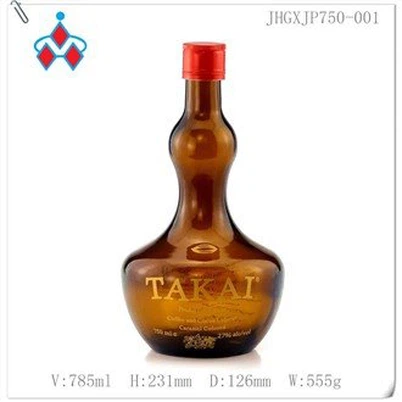
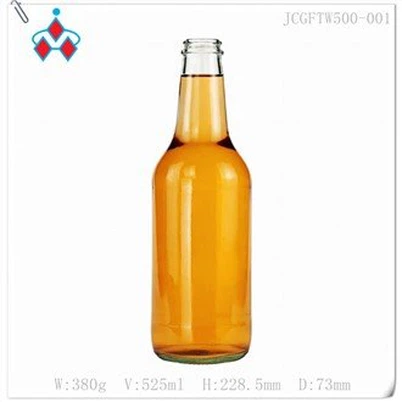
Glass adds an elegant element to any product. Consumers will pay more for glass at every price point because it provides a level of sophistication to just about everything packaged with it. For example, food, cosmetics, olive oil, beverages, jams/jelly, mayonnaise and hot sauce are all packaged in glass bottles and jars. Have you ever bought wine in a plastic container, or how about a six-pack of plastic beer bottles? Plastics tend to give the impression of less expensive or lower quality packaged products.
On the other hand, glass is more expensive to ship. It is heavier than plastic and breaks more easily. Also, glass jars usually use metal lids, which are more expensive than plastic jars.
Now let's talk about plastic containers: There are thousands of options for plastic bottles and jars. Many industries use them for many different applications. For example, health and beauty companies use plastic bottles for shampoos/conditioners, lotions, creams, and hand sanitizers. Plastic is great for these products because if you happen to drop them with wet hands, they won't break and there's no danger of being cut by broken glass. They are also less likely to break during shipping than glass containers. Milk, dairy and juice companies also put their products in plastic containers. Industrial and cleaning supplies companies also put most of their products in plastic containers. Almost all plastic bottles and jars come with plastic caps because plastic caps are cheaper than metal caps.