Do glass vodka bottles have a long - term shelf life?
Leave a message

When it comes to the world of vodka, the packaging plays a crucial role not only in aesthetics but also in preserving the quality of the spirit. As a leading supplier of Quality Glass Vodka Bottles, I often get asked about the long - term shelf life of glass vodka bottles. In this blog, I'll delve into the factors that affect the shelf life of vodka stored in glass bottles, and why glass is an excellent choice for long - term storage.
The Nature of Vodka
Vodka is a distilled spirit typically composed of water and ethanol. It has a relatively high alcohol content, usually ranging from 35% to 50% ABV (alcohol by volume). The high alcohol content makes vodka a stable substance because alcohol is a natural preservative. Microorganisms such as bacteria and fungi have difficulty surviving in an environment with a high alcohol concentration, which means that vodka, in its pure form, is less likely to spoil.
Why Glass is Ideal for Vodka Storage
Glass is a non - porous and inert material. It does not react with the vodka inside, which means it won't leach any chemicals into the spirit or alter its flavor. This is in contrast to some plastic or metal containers that may interact with the vodka over time. For example, certain plastics can release small amounts of chemicals into the liquid, which can affect the taste and quality of the vodka.
Moreover, glass provides an excellent barrier against oxygen, light, and moisture. Oxygen can cause the vodka to oxidize, which may lead to changes in flavor and aroma. Light, especially ultraviolet (UV) light, can break down some of the chemical compounds in vodka, also affecting its quality. Moisture can potentially seep into the container and dilute the vodka, reducing its alcohol content.
Long - Term Shelf Life of Vodka in Glass Bottles
Under ideal storage conditions, vodka in glass bottles can have an extremely long shelf life. In fact, vodka can remain stable for decades, if not indefinitely. The main factors that influence the longevity of vodka in glass bottles are storage temperature, exposure to light, and the integrity of the bottle seal.


- Storage Temperature: Vodka should be stored at a cool and consistent temperature. Extreme temperatures can cause the liquid to expand and contract, which may put stress on the bottle and the seal. If the seal is compromised, oxygen can enter the bottle, leading to oxidation. A temperature range of 10 - 20 degrees Celsius (50 - 68 degrees Fahrenheit) is generally recommended for long - term storage.
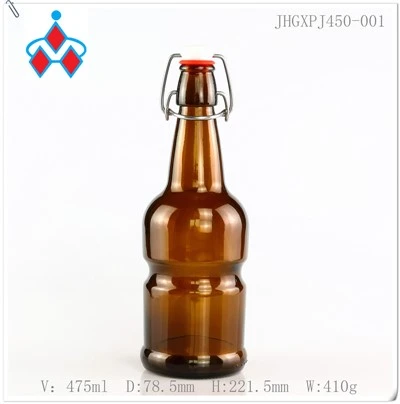
- Exposure to Light: As mentioned earlier, light can damage vodka. It's best to store vodka bottles in a dark place, such as a cellar or a cabinet. If possible, use amber or dark - colored glass bottles, as they provide better protection against UV light. Our Glass Bottle for Infused Vodka is designed with this in mind, offering enhanced protection for the vodka inside.
- Bottle Seal: A tight and intact seal is essential for preventing oxygen from entering the bottle. Our glass vodka bottles are equipped with high - quality closures that ensure a reliable seal. However, it's always a good idea to check the seal regularly, especially if the bottle has been stored for a long time.
Exceptions to the Long - Term Shelf Life
While vodka in glass bottles generally has a long shelf life, there are some exceptions. If the vodka has been infused with fruits, herbs, or other additives, its shelf life may be shorter. These additives can introduce microorganisms or substances that are more prone to spoilage. Even though the high alcohol content provides some level of protection, the presence of organic matter can increase the risk of degradation over time.
Additionally, if the bottle has been opened, the shelf life will be significantly reduced. Once the seal is broken, oxygen enters the bottle, and the vodka starts to oxidize. Opened vodka should be consumed within a few months to ensure the best quality.
Our Glass Vodka Bottles for Long - Term Storage
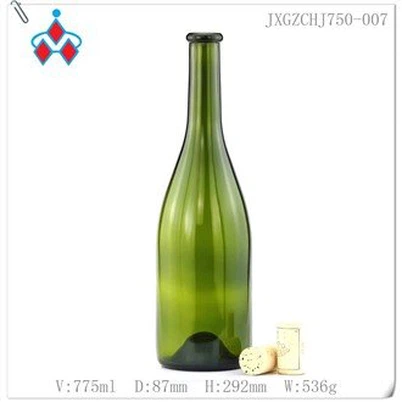
As a supplier, we understand the importance of providing high - quality glass bottles for vodka storage. Our Vodka Glass Bottle 750ml is crafted with precision to meet the highest standards. The glass is thick and durable, providing excellent protection against external factors. The closures are designed to provide a tight seal, preventing any leakage or oxygen ingress.
We also offer a variety of designs to meet the diverse needs of our customers. Whether you're looking for a classic, elegant bottle or a more modern and unique design, we have you covered. Our bottles not only preserve the quality of the vodka but also enhance its visual appeal, making them a great choice for both consumers and producers.
Conclusion: Choosing the Right Glass Bottles for Long - Term Vodka Storage
In conclusion, glass vodka bottles do have a long - term shelf life when the vodka is stored under proper conditions. Glass is the ideal material for vodka storage due to its inertness, ability to block oxygen and light, and its non - porous nature. Our company takes pride in supplying high - quality glass vodka bottles that ensure the longevity and quality of the vodka inside.
If you're in the market for Quality Glass Vodka Bottles for your vodka production or storage needs, we invite you to contact us for a procurement discussion. We can provide you with detailed information about our products, pricing, and customization options. Let's work together to ensure that your vodka is stored in the best possible packaging.
References
- "The Science of Spirits: Production and Classification" by an industry - leading expert in spirits production.
- Multiple studies on the impact of packaging materials on the quality and shelf life of alcoholic beverages.