What is the best way to store a brandy bottle in a humid environment?
Leave a message

Storing a brandy bottle properly is essential to maintain its quality, aroma, and taste over time. However, storing brandy in a humid environment can pose unique challenges, as excess moisture can lead to various issues affecting the bottle and the spirit inside. As a professional brandy bottle supplier, I understand the intricacies involved in brandy storage, especially in humid conditions. This blog post will delve into the best practices for storing brandy bottles in humid environments, ensuring that your valuable spirits remain in optimal condition.
Understanding the Impact of Humidity on Brandy Bottles
Humidity can influence brandy storage in several ways. First and foremost, high humidity levels can cause the labels on brandy bottles to wrinkle, peel, or become discolored, which not only affects the bottle's aesthetic appeal but can also make it difficult to identify the contents. Additionally, excess moisture can promote the growth of mold and mildew on the bottle and its cork, potentially contaminating the brandy and altering its taste.
Moreover, humidity can corrode metal caps and closures, leading to leaks and oxidation of the brandy. Oxidation can cause the brandy to lose its flavor and aroma over time, resulting in a subpar drinking experience. Understanding these challenges is crucial for implementing effective storage solutions.
Choosing the Right Location
Selecting the appropriate storage location is the first step in protecting your brandy bottles from the adverse effects of humidity. Ideally, you should choose a cool, dark place with stable temperature and humidity levels. A basement or a wine cellar can be an excellent option, as these areas are typically cooler and more insulated than other parts of the house.
However, if your basement or cellar is prone to flooding or excessive moisture, you may need to consider alternative storage options. A climate-controlled storage facility can provide a consistent environment, with humidity levels maintained between 55% and 70%. This range is ideal for preventing mold growth and preserving the integrity of the brandy and its packaging.
Using a Humidifier or Dehumidifier
If you do not have access to a climate-controlled storage space, you can use a humidifier or dehumidifier to regulate the humidity levels in your storage area. A dehumidifier is particularly useful in humid environments, as it can remove excess moisture from the air, preventing mold growth and preserving the condition of the brandy bottles.


On the other hand, if the environment is too dry, a humidifier can add moisture to the air, preventing the cork from drying out and shrinking. A dry cork can allow air to enter the bottle, leading to oxidation of the brandy. By maintaining the right humidity level, you can ensure that the cork remains moist and airtight, protecting the brandy from spoilage.
Proper Bottle Placement
Proper bottle placement can also help protect your brandy from the effects of humidity. It is recommended to store brandy bottles upright to prevent the cork from coming into contact with the brandy, which can cause the cork to deteriorate over time. Additionally, storing the bottles upright can prevent leaks and spills, especially if the cork has become damaged.
Ensure that the bottles are stored away from direct sunlight and heat sources, as these can accelerate the aging process and cause the brandy to evaporate. Sunlight can also fade the labels and damage the packaging, reducing the bottle's aesthetic appeal.
Selecting the Right Brandy Bottle
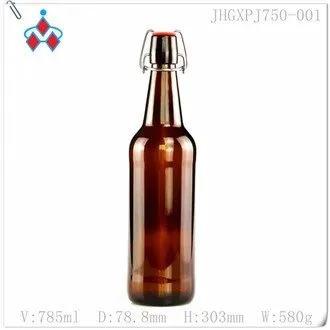
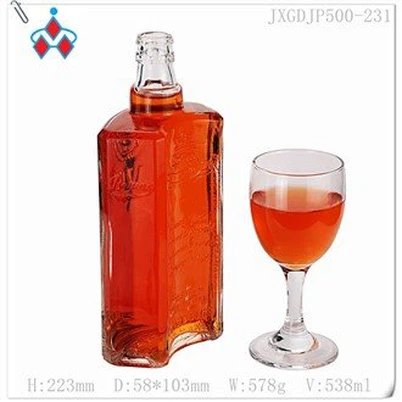
At our company, we offer a wide range of high-quality brandy bottles designed to protect your precious spirits from environmental factors, including humidity. Our Glass Brandy Bottle and Glass Spirit Brandy Bottle are made from thick, durable glass that provides excellent insulation and protection against humidity.
Our Brandy Flint Glass Bottle 750ml is a popular choice among collectors and connoisseurs. The flint glass construction not only enhances the visual appeal of the brandy but also offers superior resistance to moisture and oxidation.
Regular Inspection
Regular inspection of your brandy bottles is essential to ensure that they remain in good condition. Check the bottles periodically for signs of mold, mildew, or corrosion on the caps and closures. If you notice any issues, take immediate action to address them, such as wiping down the bottles with a clean, dry cloth or replacing the cork.
Inspect the labels for any signs of damage or discoloration. If the labels are damaged, you can carefully remove them and replace them with new ones to maintain the bottle's aesthetic appeal.
Additional Tips for Storing Brandy in Humid Environments
- Use desiccant packets: Placing desiccant packets, such as silica gel, inside the storage area can help absorb excess moisture and prevent mold growth.
- Clean the bottles regularly: Wipe down the brandy bottles with a clean, dry cloth to remove any dust or moisture that may have accumulated on the surface.
- Avoid overcrowding: Ensure that there is enough space between the bottles to allow for proper air circulation. Overcrowding can trap moisture and lead to mold growth.
Conclusion
Storing a brandy bottle in a humid environment requires careful consideration and planning. By choosing the right location, regulating the humidity levels, using proper bottle placement, and selecting high-quality brandy bottles, you can protect your valuable spirits from the adverse effects of humidity.
As a leading Brandy Bottle supplier, we are committed to providing you with the best products and solutions for storing your brandy. If you have any questions or would like to learn more about our brandy bottles, please contact us to discuss your specific needs. We look forward to helping you preserve your brandy collection and enhance your brandy experience.
References
- Jackson, H. (2018). The Complete Wine Course: A Step-by-Step Guide to Enjoying, Tasting, and Understanding Wine. Sterling Epicure.
- Robinson, J. (2006). The Oxford Companion to Wine. Oxford University Press.