How do I prevent a brown liquor bottle from leaking?
Leave a message

As a supplier of brown liquor bottles, I understand the significance of preventing leakage, which is not only crucial for maintaining product quality but also for ensuring customer satisfaction. In this blog, I will share some effective methods to prevent brown liquor bottles from leaking.
Understanding the Causes of Leakage
Before we delve into prevention methods, it's essential to understand the common causes of leakage in brown liquor bottles. There are several factors that can contribute to this issue:

- Poor Sealing: One of the most common causes of leakage is a poor seal between the bottle and the cap. This can occur due to improper installation of the cap, a damaged cap, or a faulty sealing mechanism.
- Cracks or Chips: Bottles can develop cracks or chips during manufacturing, transportation, or handling. These imperfections can compromise the integrity of the bottle and lead to leakage.
- Pressure Changes: Changes in temperature and pressure can cause the liquid inside the bottle to expand or contract, putting stress on the seal and potentially leading to leakage.
- Corrosion: If the bottle or cap is made of a material that is susceptible to corrosion, it can weaken the seal and cause leakage over time.
Preventive Measures
1. Choose High - Quality Bottles and Caps
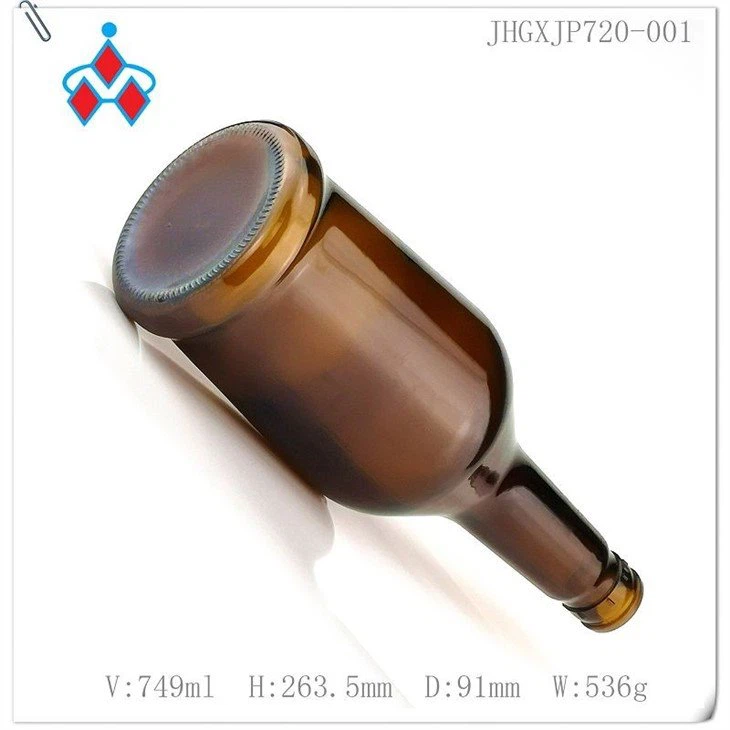
When selecting brown liquor bottles and caps, it's crucial to choose high - quality products. Look for bottles made from thick, durable glass that is resistant to cracks and chips. The caps should fit snugly on the bottles and have a reliable sealing mechanism. For example, our Old Liquor Brown Glass Bottle is made from high - quality glass and comes with a well - designed cap to ensure a tight seal.
2. Proper Installation of Caps
Proper installation of caps is essential to prevent leakage. Make sure the caps are tightened securely, but not too tightly, as over - tightening can damage the seal. Use a torque wrench or a cap tightening machine to ensure consistent and proper tightening. Train your staff on the correct cap installation process to avoid any mistakes.
3. Inspect Bottles for Defects
Before filling the bottles, conduct a thorough inspection to check for any cracks, chips, or other defects. Use a quality control system to identify and remove any faulty bottles. This step can significantly reduce the risk of leakage during storage and transportation.
4. Control the Filling Process
The filling process can also affect the likelihood of leakage. Ensure that the liquid is filled to the appropriate level, leaving enough headspace to accommodate any expansion due to temperature changes. Overfilling can put excessive pressure on the seal and increase the risk of leakage. Our Glass Liquor bottle 720ml is designed with the optimal headspace in mind to minimize this risk.
5. Protect Bottles During Transportation
During transportation, bottles are exposed to various vibrations and impacts that can cause damage and lead to leakage. Use appropriate packaging materials, such as foam inserts or corrugated boxes, to protect the bottles. Secure the bottles in the packaging to prevent them from moving around and hitting each other.
6. Store Bottles Properly
Proper storage is crucial for preventing leakage. Store the bottles in a cool, dry place away from direct sunlight and extreme temperatures. Fluctuations in temperature can cause the liquid to expand and contract, putting stress on the seal. Additionally, store the bottles upright to prevent any liquid from seeping out through the cap.
7. Consider Using Liners or Gaskets
Liners or gaskets can provide an extra layer of protection against leakage. They can help to create a better seal between the bottle and the cap, especially in cases where the cap may not fit perfectly. Choose liners or gaskets that are compatible with the type of liquor and the bottle material.
Testing and Quality Assurance
Regular testing is an important part of preventing leakage. Conduct leakage tests on a sample of bottles to ensure that the seals are working properly. There are several methods for testing leakage, such as the bubble test, where the bottle is submerged in water and any bubbles indicate a leak.
Implement a quality assurance program to monitor the production process and ensure that all bottles meet the required standards. This can include regular inspections, testing, and documentation of the results.
Conclusion
Preventing brown liquor bottles from leaking is a multi - step process that requires attention to detail at every stage, from bottle selection to storage. By following the methods outlined in this blog, you can significantly reduce the risk of leakage and ensure the quality of your products.
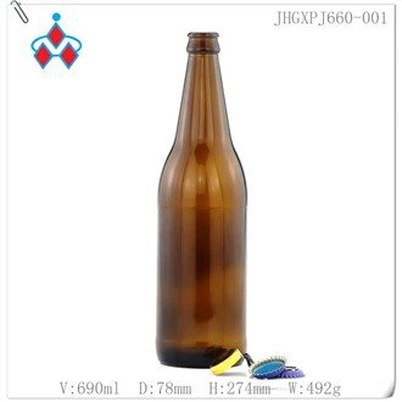
If you are in the market for high - quality brown liquor bottles, we are here to help. Our Brown Glass Beer Bottle and other products are designed to meet the highest standards of quality and reliability. Contact us to discuss your specific requirements and start a procurement conversation. We look forward to working with you to provide the best solutions for your brown liquor bottle needs.
References
- Packaging Machinery Manufacturers Institute. (2023). Best Practices for Bottle Sealing.
- Glass Packaging Institute. (2023). Guidelines for Glass Bottle Quality Control.