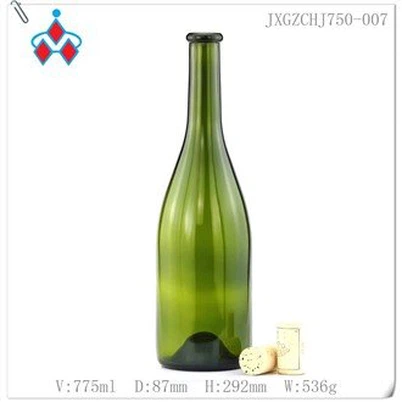
What is the cork of a wine bottle made of?
Leave a message

Hey there, wine enthusiasts! As a wine bottle supplier, I get asked a ton of questions about wine bottles and their components. One question that pops up quite often is, "What is the cork of a wine bottle made of?" Well, let's dive right into it and explore the world of wine corks.
The Traditional Choice: Natural Cork
First off, the most well - known material for wine corks is natural cork. It comes from the bark of the cork oak tree, scientifically known as Quercus suber. These trees are mainly found in the Mediterranean region, especially in Portugal, Spain, and parts of North Africa.
The harvesting process of cork is pretty interesting. The bark of the cork oak tree can be harvested every 9 to 12 years without harming the tree. Skilled workers use special tools to carefully strip the outer bark. This sustainable harvesting method ensures that the trees can continue to grow and produce cork for many years.
Once the bark is harvested, it goes through a series of processing steps. First, it's boiled to clean it and make it more flexible. Then, it's left to dry for several months. After that, the cork is cut into the right size and shape for wine bottles.


Natural cork has some great advantages. It's porous, which allows a tiny amount of oxygen to interact with the wine over time. This slow oxidation process can enhance the flavor and aroma of the wine as it ages. It also forms a tight seal, preventing the wine from leaking out and protecting it from spoilage.
However, natural cork isn't perfect. There's a small chance, about 1 - 3% of the time, that a cork can be affected by a compound called TCA (2,4,6 - trichloroanisole). TCA can give the wine a musty, moldy smell, which is known as "cork taint." When this happens, the wine's quality is seriously affected.
Synthetic Corks
In recent years, synthetic corks have become a popular alternative. These are made from various plastic materials, like polyethylene. They're manufactured in a factory, which means they can be produced in large quantities with consistent quality.
One of the main advantages of synthetic corks is that they're not affected by cork taint. You don't have to worry about opening a bottle of wine and finding it ruined by that musty smell. They're also easier to insert and remove from the bottle. You don't need a fancy corkscrew; a simple one will do the job.
Synthetic corks also have a lower cost compared to natural cork. This makes them an attractive option for winemakers who produce a large volume of wine at a lower price point.
But there are some downsides. Synthetic corks don't allow the same level of oxygen exchange as natural cork. This means that wines sealed with synthetic corks may not age as well over the long term. Also, some wine lovers think that using a synthetic cork takes away from the traditional wine - opening experience.
Screw Caps
Screw caps are another option for sealing wine bottles. They're made of metal, usually aluminum, with a plastic liner inside. Screw caps have been widely used for white wines and some inexpensive red wines for a while, but they're becoming more popular for higher - end wines too.
The main advantage of screw caps is that they provide an airtight seal. This prevents oxidation and keeps the wine fresh. There's no risk of cork taint either. They're also very convenient. You can open a bottle of wine with a screw cap in seconds, without the need for a corkscrew.
However, like synthetic corks, screw caps don't allow the slow oxygen exchange that natural cork does. This can be a drawback for wines that are meant to age for a long time. Some wine purists also think that screw caps lack the elegance and tradition associated with natural cork.
Our Wine Bottles
As a wine bottle supplier, we offer a wide range of wine bottles to meet different needs. If you're looking for a classic option, our Glass Bordeaux Wine Bottle is a great choice. It has a traditional shape and is perfect for aging wines.
For those who prefer a different style, our Rhine Wine Bottles are known for their tall, slender design. They're often used for white wines and can add a touch of elegance to your wine packaging.
And if you want a bottle with a unique shape, our Bordeaux Shaped Bottle combines the best of both worlds. It has the recognizable Bordeaux shape but can be customized to suit your brand.
Choosing the Right Cork for Your Wine
When it comes to choosing the right cork for your wine, there are a few things to consider. If you're making a high - end wine that's meant to age for many years, natural cork might be the best option. The slow oxygen exchange it allows can really enhance the wine's quality as it matures.
If you're producing a large volume of wine at a lower price point, synthetic corks or screw caps could be more suitable. They offer consistent quality and lower costs. And if you're worried about cork taint, these alternatives are a great choice.
Let's Talk Business
We understand that finding the right wine bottle and cork is crucial for your wine business. Whether you're a small winery or a large wine producer, we're here to help. We can provide you with high - quality wine bottles and offer advice on the best cork option for your specific needs.
If you're interested in learning more about our products or have any questions, don't hesitate to reach out. We're always happy to have a chat and discuss how we can work together to make your wine packaging perfect.
References
- "The Science of Wine" by Jamie Goode
- "Wine Grapes" by Jancis Robinson, Julia Harding MW, and José Vouillamoz