What is the production process of tequila in bottles?
Leave a message

Yo! As a supplier of Tequila Bottles, I'm stoked to take you on a ride through the production process of tequila in those fancy bottles. It's a journey that combines tradition, science, and a whole lot of love for that smooth, agave - based spirit.
1. Agave Harvesting
First things first, we gotta start with the agave plant. Tequila can only be made from the blue agave plant, and these bad boys take a long time to grow. Typically, it takes around 8 - 12 years for an agave plant to reach maturity. Once they're ready, experienced jimadores come in with their sharp coa knives to cut off the leaves, leaving just the piña—the heart of the agave. These piñas can weigh anywhere from 80 to 300 pounds! Crazy, right?
2. Cooking the Piñas
After harvesting, the piñas are transported to the distillery. There, they're cooked to convert the inulin in the agave into fermentable sugars. There are a couple of ways to do this. One traditional method is using stone ovens. These ovens are lined with volcanic rocks and heated with wood. The piñas are placed inside and cooked for about 2 - 3 days. Another modern way is using autoclaves, which are like big pressure cookers. They cook the piñas much faster, usually in about 8 - 12 hours.
3. Crushing and Extraction
Once the piñas are cooked, they're super soft and full of sugary juice. To get that juice out, they'll use one of two methods. The old - school way is with a tahona, a large stone wheel pulled by a mule or a tractor. The tahona crushes the piñas, squeezing out the sweet juice called aguamiel. Nowadays, many distilleries also use mechanical shredders. These machines are way faster and can handle a larger volume of piñas.
4. Fermentation
The extracted aguamiel is then transferred to large fermentation tanks. Yeast is added to start the magic of fermentation. During this process, the yeast eats the sugars in the aguamiel and turns them into alcohol. This can take anywhere from 2 to 12 days, depending on the type of yeast used and the conditions in the tank. Some distilleries like to use wild yeast found naturally in the air around the agave fields for a more unique flavor.
5. Distillation
After fermentation, we have a liquid that's about 5 - 12% alcohol. To turn it into tequila, we need to distill it. Tequila is required by law to be distilled at least twice. The first distillation, called the "vinata," produces a liquid that's around 20 - 30% alcohol. This is then distilled again in the "ordinario" to reach an alcohol content of around 50 - 60%. Some high - end tequilas even go through a third distillation for a smoother taste.
6. Aging (Optional but Awesome)
Not all tequilas are aged, but many of the best ones are. There are different types of aged tequilas, each with its own unique flavor profile.
- Blanco (Silver): This is the unaged tequila. It's bottled right after distillation and has a fresh, pure agave flavor.
- Reposado: Aged in oak barrels for at least 2 months but less than a year. Reposado tequilas pick up some of the flavors from the wood, like vanilla and caramel, and have a smoother finish.
- Añejo: Aged in oak barrels for at least a year. These tequilas are often considered the crème de la crème. They have a rich, complex flavor with lots of depth.
- Extra Añejo: Aged for at least three years. These are the most luxurious and expensive tequilas, with a super smooth and refined taste.
7. Bottling Time
Now, let's talk about the part that I'm really into—the bottling! After the tequila is ready, it's time to put it into those awesome bottles.
First, the bottles need to be thoroughly cleaned. They go through a process of washing with hot water and sometimes special cleaning solutions to remove any dust, dirt, or bacteria. After that, they're dried to make sure there's no moisture left inside.
Next up is filling. The tequila is carefully pumped into the bottles using high - tech filling machines. These machines are calibrated to ensure that each bottle gets the exact same amount of tequila.
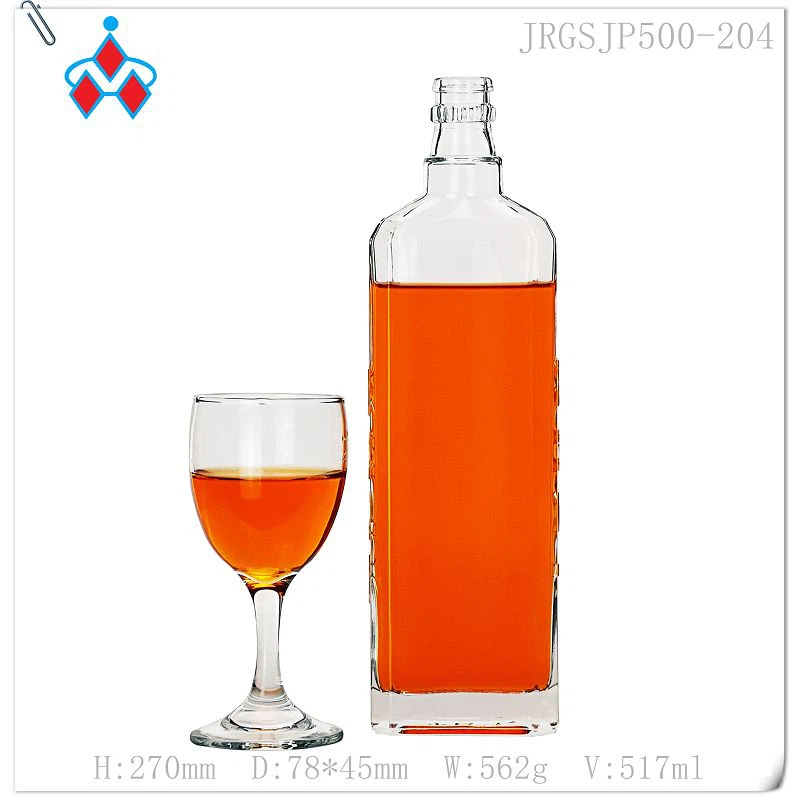

Once the bottles are filled, they're capped. The caps can be made of different materials, like plastic, metal, or even cork in some cases. After capping, the labels are applied. The labels provide all the important information about the tequila, like the brand name, the type of tequila (blanco, reposado, etc.), the alcohol content, and the origin.
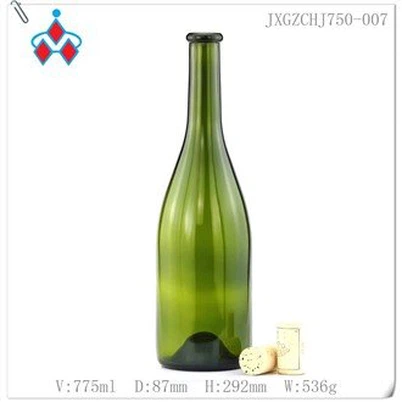
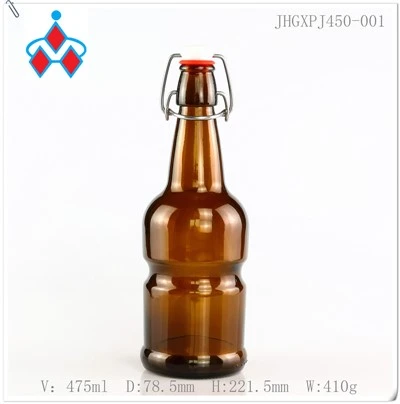
If you're in the market for some top - quality tequila bottles, I've got some sick options for you. Check out Glass Tequila Bottles. These are made of high - grade glass, perfect for showing off the beautiful golden or clear color of the tequila inside. And if you need bigger bottles, Glass Tequila Bottles 1000ml are a great option. They can hold a generous amount of your favorite spirit. For something really eye - catching, Cool Glass Tequila Bottles are designed to stand out on the shelf.
8. Quality Control
Before the bottles are shipped out, they go through a rigorous quality control process. Workers check each bottle for any signs of damage, like cracks or chips. They also taste - test the tequila to make sure it meets the high standards of the brand. Only the best - tasting, perfectly packaged tequilas make it to the market.
Why Choose Our Bottles?
As a supplier, I know the importance of having the right bottle for your tequila. Our bottles are made with the highest quality materials, ensuring that they not only look great but also preserve the flavor and aroma of the tequila. Whether you're a small - batch artisanal distillery or a big - name brand, our bottles can meet your needs.
If you're interested in sourcing tequila bottles for your business, I'd love to chat. We can work together to find the perfect bottles that match your brand's image and your customers' expectations. Reach out to start a discussion about your requirements, and let's create something amazing together.
References
- "Tequila: A Global History" by Colin Grassie
- "The Tequila Club Handbook" by Graham Thomsett