What is the texture of sesame oil in bottles?
Leave a message

Sesame oil, a staple in many cuisines around the world, is cherished for its rich flavor and numerous health benefits. As a supplier of Sesame Oil Bottles, I've had the privilege of closely observing the unique characteristics of this oil, including its texture. In this blog post, I'll delve into the texture of sesame oil in bottles, exploring how it varies, what factors influence it, and why the choice of bottle matters.
The Basics of Sesame Oil Texture
Sesame oil has a distinct texture that sets it apart from other cooking oils. When you pour sesame oil from a bottle, you'll notice that it has a smooth, viscous consistency. Unlike lighter oils such as canola or sunflower oil, sesame oil flows more slowly, indicating its higher density. This viscosity gives sesame oil a luxurious mouthfeel, making it a favorite in many traditional dishes.
The color of sesame oil can also affect its perceived texture. Dark sesame oil, which is made from toasted sesame seeds, has a deeper, more intense flavor and a slightly thicker texture compared to light sesame oil, which is made from raw sesame seeds. The toasting process not only enhances the flavor but also increases the oil's viscosity, giving it a more robust and concentrated texture.
Factors Affecting Sesame Oil Texture
Several factors can influence the texture of sesame oil in bottles. One of the most significant factors is the quality of the sesame seeds used. High-quality sesame seeds produce oil with a smoother, more consistent texture, while lower-quality seeds may result in oil that is more granular or uneven.
The extraction method also plays a crucial role in determining the texture of sesame oil. Cold-pressed sesame oil, which is extracted without the use of heat or chemicals, retains more of the natural flavor and nutrients of the sesame seeds, resulting in a smoother, more delicate texture. On the other hand, refined sesame oil, which is processed using heat and chemicals, may have a thinner, less flavorful texture.
The storage conditions of sesame oil can also affect its texture. Exposure to light, heat, and air can cause the oil to oxidize, which can lead to a change in texture and flavor. To maintain the quality and texture of sesame oil, it's important to store it in a cool, dark place, away from direct sunlight and heat sources.
The Importance of Choosing the Right Bottle
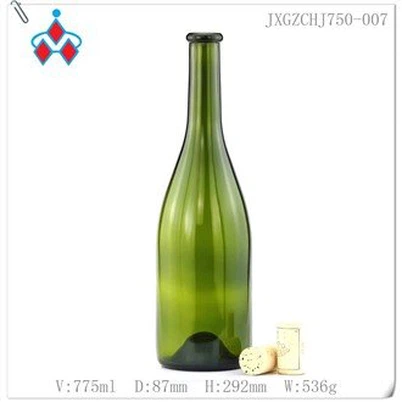
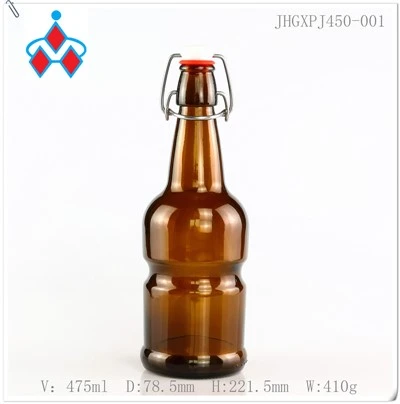
As a supplier of Glass Bottles for Sesame Oil, I understand the importance of choosing the right bottle for storing sesame oil. Glass bottles are an excellent choice for sesame oil because they are non-reactive, which means they won't interact with the oil and affect its flavor or texture. Glass also provides a barrier against light, air, and moisture, which helps to preserve the quality and freshness of the oil.
In addition to protecting the oil, the design of the bottle can also affect the user experience. A well-designed bottle with a narrow neck and a tight-fitting cap makes it easier to pour the oil without spilling, while a bottle with a wide mouth allows for easy filling and cleaning.
Different Bottle Sizes and Their Impact on Texture
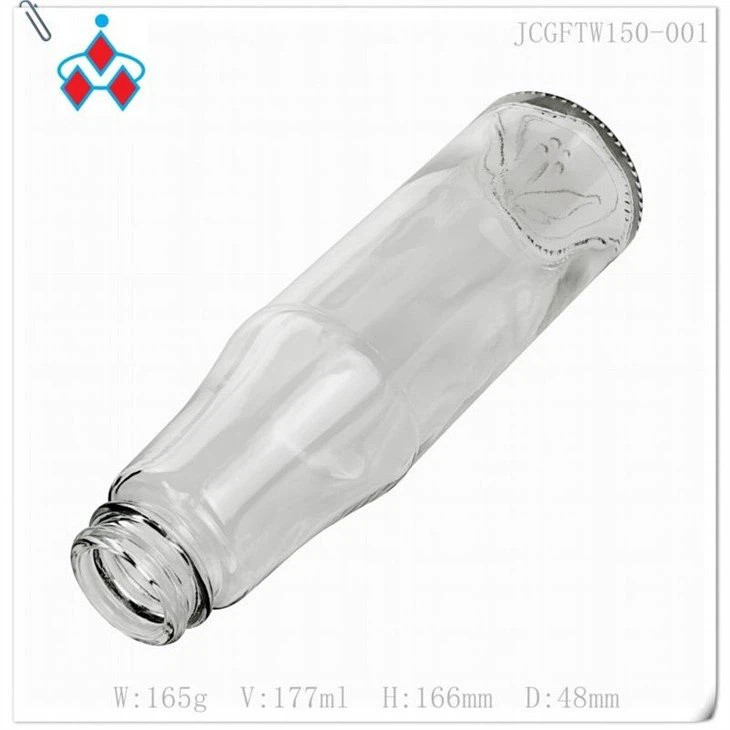
When it comes to choosing the right bottle for sesame oil, size matters. Sesame Oil Glass Bottles 500ml are a popular choice for both home cooks and professional chefs because they provide a convenient amount of oil for everyday use. Larger bottles, such as 1-liter or 2-liter bottles, are ideal for commercial kitchens or for those who use sesame oil frequently.
The size of the bottle can also affect the texture of the oil. Smaller bottles tend to have a shorter shelf life, which means the oil is more likely to be fresh and have a better texture. Larger bottles, on the other hand, may take longer to use up, which can increase the risk of oxidation and a change in texture.
How to Assess the Texture of Sesame Oil in Bottles
Assessing the texture of sesame oil in bottles is relatively simple. Start by visually inspecting the oil. It should be clear and free of any sediment or particles. If the oil appears cloudy or has a lot of sediment, it may be a sign that it has gone bad or that it was not properly filtered during the extraction process.
Next, give the bottle a gentle shake. The oil should flow smoothly and evenly, without any clumps or separation. If the oil appears thick or sticky, it may be a sign that it has been exposed to heat or air, which can cause it to oxidize and thicken.
Finally, take a small amount of oil on your fingertips and rub it between your fingers. The oil should feel smooth and slippery, with no gritty or granular texture. If the oil feels rough or has a grainy texture, it may be a sign that it contains impurities or that it was not properly refined.
The Role of Texture in Culinary Applications
The texture of sesame oil plays a crucial role in its culinary applications. In Asian cuisine, sesame oil is often used as a finishing oil, added at the end of cooking to enhance the flavor and aroma of the dish. The smooth, viscous texture of sesame oil helps to coat the ingredients, adding a rich, savory flavor and a luxurious mouthfeel.
In baking, sesame oil can be used as a substitute for other oils or fats, adding a unique flavor and texture to the baked goods. The thick, sticky texture of sesame oil helps to bind the ingredients together, resulting in a moist and tender crumb.
Conclusion
In conclusion, the texture of sesame oil in bottles is a complex and fascinating topic. It is influenced by a variety of factors, including the quality of the sesame seeds, the extraction method, the storage conditions, and the choice of bottle. As a supplier of sesame oil bottles, I am committed to providing high-quality products that not only protect the oil but also enhance the user experience.
If you're interested in purchasing high-quality Sesame Oil Glass Bottles for your business or personal use, please feel free to contact us to discuss your specific requirements. We look forward to working with you to find the perfect solution for your sesame oil storage needs.

References
- McGee, H. (2004). On Food and Cooking: The Science and Lore of the Kitchen. Scribner.
- Tan, C. P., & Che Man, Y. B. (2002). Composition, properties and uses of sesame oil. European Journal of Lipid Science and Technology, 104(7), 439-449.
- Xu, X., & Diosady, L. L. (2000). Oxidative stability of sesame oil. Journal of the American Oil Chemists' Society, 77(11), 1207-1212.